Cyber Attacks
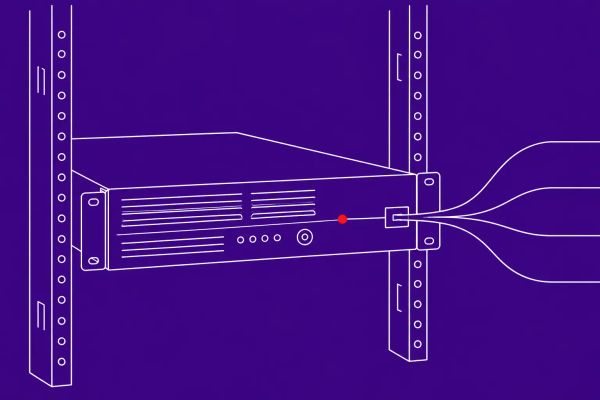
Apache HTTP/2 Double-Free RCE: One Version Affected, Six Days to Patch
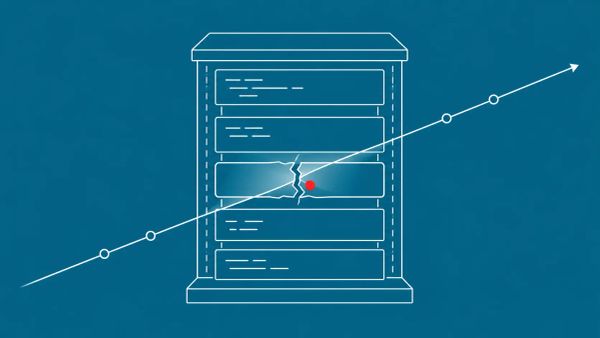
Apache HTTP Server 2.4.66 ships with a double-free in mod_http2 — exploitable on default Debian builds and patched six days later in 2.4.67.
This category focuses on the security lifecycle of software, from development and deployment to runtime behavior. Coverage includes vulnerability research, unauthorized persistence mechanisms (such as Launch Agents and Daemons), API security, and the risks associated with third-party software integrations. It serves as the primary resource for identifying how flaws or "hidden features" in applications can lead to system-wide compromise or data exfiltration.
Cyber Attacks
Apache HTTP Server 2.4.66 ships with a double-free in mod_http2 — exploitable on default Debian builds and patched six days later in 2.4.67.
AI Security
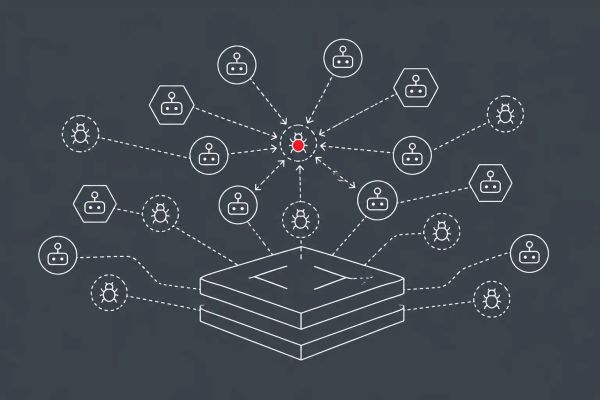
OpenAI launched Daybreak on May 11, 2026 — an AI vulnerability discovery platform with three GPT-5.5 models and a 20+ partner roster including Cisco, Cloudflare, CrowdStrike, Palo Alto, Snyk, Tenable, and Rapid7. The AI defender market just formed.
Cyber Attacks
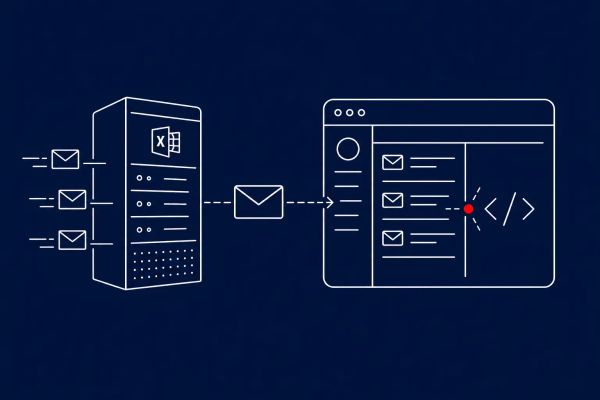
Microsoft confirmed active exploitation of CVE-2026-42897, a high-severity XSS zero-day in on-prem Exchange OWA, with no permanent patch — only EEMS mitigation. The eventual fix for Exchange 2016 and 2019 will only reach Period 2 ESU customers.
AI Security
Microsoft's MDASH AI found 16 of May's Patch Tuesday vulnerabilities, four critical. Palo Alto scanned its codebase with frontier models including Anthropic's Mythos and found 75 flaws across 26 CVEs. AI vulnerability discovery is now operational at vendor scale.
Application Security
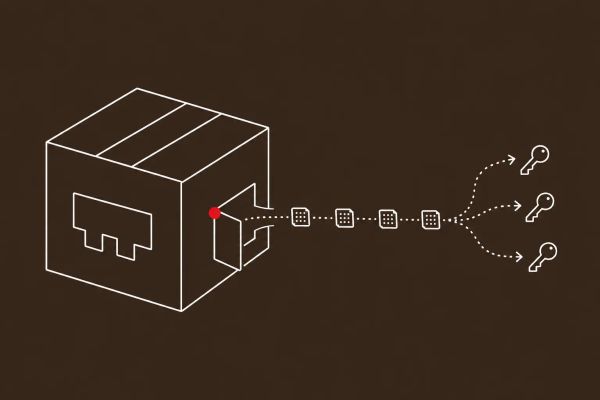
Three published versions of node-ipc — a package with 822,000 weekly downloads — hide an obfuscated stealer backdoor that exfiltrates 90 categories of developer and cloud secrets over DNS. The attacker hijacked a lapsed maintainer domain to publish them.
Cyber Attacks
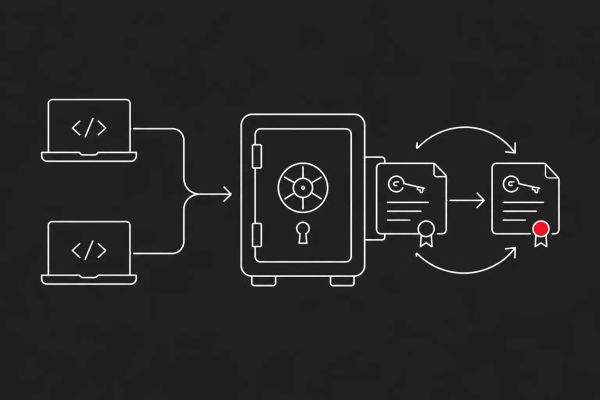
OpenAI confirmed two employee devices were compromised in the Mini Shai-Hulud supply chain attack, exposing code-signing certificates for its apps. OpenAI is rotating every certificate, and macOS users must update before June 12, 2026.
Cyber Attacks
Cisco disclosed a maximum-severity authentication bypass in Catalyst SD-WAN, actively exploited as a zero-day by UAT-8616 — the same actor that has targeted this service since 2023. CISA added it to KEV, and there are no workarounds.
Application Security
An autonomous AI was pointed at the NGINX source code and found a critical RCE that survived 18 years of human review — plus three more CVEs in the same six-hour session. NGINX runs a third of the internet's top sites. The discovery method is the bigger story.
Supply Chain Attack
RubyGems temporarily turned off new signups after what its security partner called a major malicious attack — hundreds of packages, DDoS, spam, and exploits hitting at once. The halt is the response model defenders should remember.
Application Security
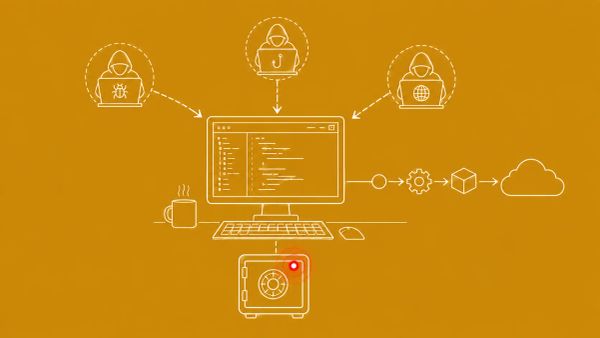
Three unrelated threat actors arrived at the same conclusion in March and April: the developer workstation is the best ROI beachhead. CSO Online's framing — the Developer Credential Economy — is the editorial line CISOs should adopt this quarter.
Data Breaches
Comcast just agreed to write a $117.5 million check over a vulnerability it didn't write. The Xfinity settlement is the first major Citrix Bleed bill to come due — the precedent it sets for shared customer-vendor liability is the part defenders should read twice.
Application Security
TeamPCP's Mini Shai-Hulud worm hit 170+ packages May 11, including TanStack, Mistral AI, and Guardrails AI. First npm worm to ship valid SLSA Build Level 3 provenance for malicious code.