Cybersecurity 101
What Is Privileged Access Management (PAM)?
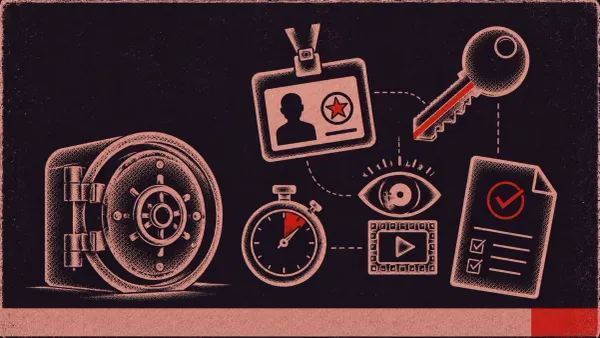
A complete guide to privileged access management (PAM) — why privileged accounts warrant special treatment, the core PAM capabilities, and how to build a program.
Cybersecurity 101
A complete guide to privileged access management (PAM) — why privileged accounts warrant special treatment, the core PAM capabilities, and how to build a program.
Cybersecurity 101
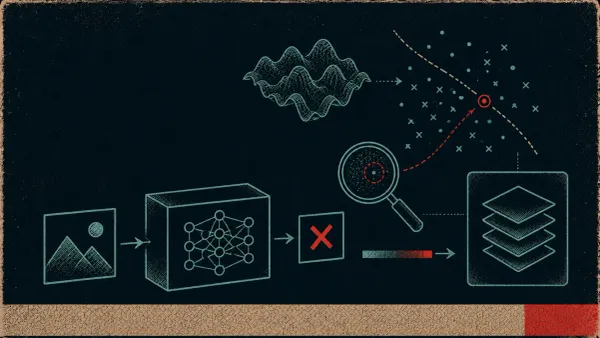
A defender's guide to adversarial machine learning — evasion attacks, model extraction, membership inference, why ML systems are vulnerable, and layered defenses.
Cybersecurity 101
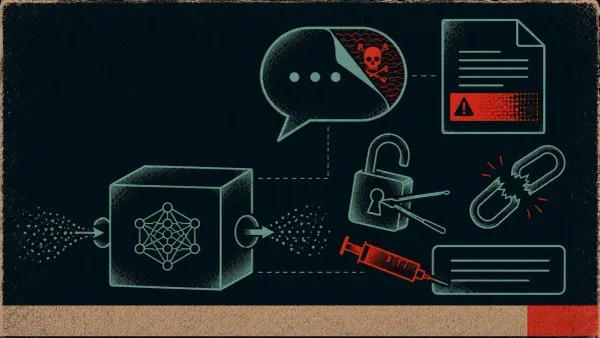
A defender's guide to prompt injection — the leading vulnerability in LLM applications. Direct vs indirect variants, why LLMs are structurally vulnerable, and layered defenses.
Cybersecurity 101
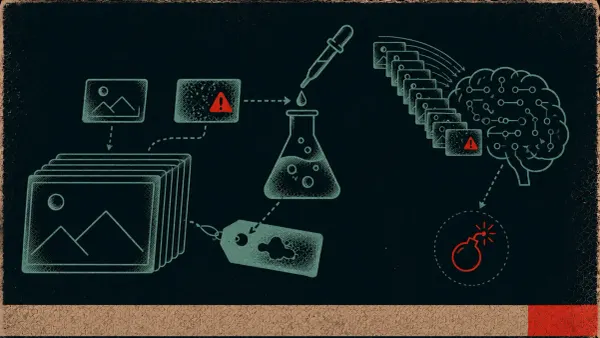
A defender's guide to data poisoning attacks on ML systems — availability vs integrity attacks, backdoors, how poisoned data enters real pipelines, and layered defenses.
Cybersecurity 101
A defender's guide to AI red teaming — what it is, how it differs from traditional red teaming, common techniques, and how to stand up an AI red team function.
Cybersecurity 101
A complete guide to AI security — what makes AI systems different, the main categories of AI attacks, defensive practices, and the emerging governance standards.

Cybersecurity 101
The major categories of cyber threat actors explained — nation-states, cybercriminals, hacktivists, insiders, and script kiddies — with motivations and defense implications.
Cybersecurity 101
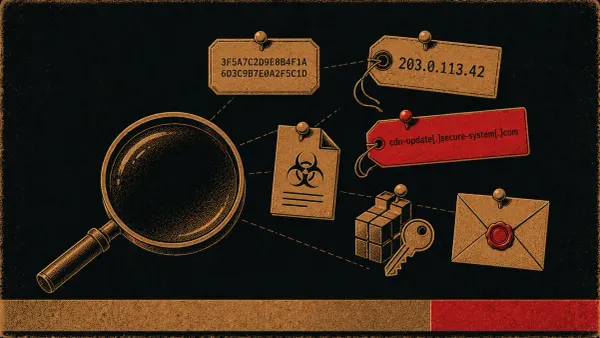
A complete guide to indicators of compromise (IOCs) — the major types, the IOC vs IOA distinction, the Pyramid of Pain, and how IOCs are shared via STIX/TAXII.
Cybersecurity 101
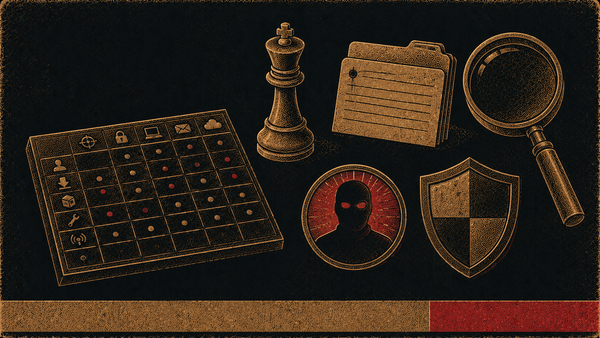
A defender's guide to the MITRE ATT&CK framework — what it is, how tactics, techniques, and matrices are structured, and how to use it for detection and threat intel.
Cybersecurity 101
Cyber threat intelligence (CTI) turns raw data into decisions. This guide covers the four types, the intelligence lifecycle, IOCs vs TTPs, the frameworks that structure analysis, and the use cases that make CTI valuable to SOC, IR, and vulnerability teams.
Cybersecurity 101
A hub guide to how threat intelligence and threat actors connect: using intelligence to attribute activity, model the threat, and prioritise defences around the adversaries most likely to target you — with links to the deep-dive guides on each.

Cybersecurity 101
Cyber resilience is the ability to anticipate, withstand, recover from, and adapt to cyberattacks. A clear guide to how it differs from cybersecurity, the four pillars, key practices, frameworks, and metrics.