Drupal Ships an Emergency 'Highly Critical' Fix — CVE-2026-9082 Lets Anonymous Attackers SQL-Inject Any PostgreSQL Site
Drupal shipped an out-of-band 'Highly Critical' fix for CVE-2026-9082, an unauthenticated SQL injection in Drupal core affecting every PostgreSQL-backed site. Maintainers warned exploits could land within hours — for a core flaw pre-announced on schedule, the patch window is effectively closed.

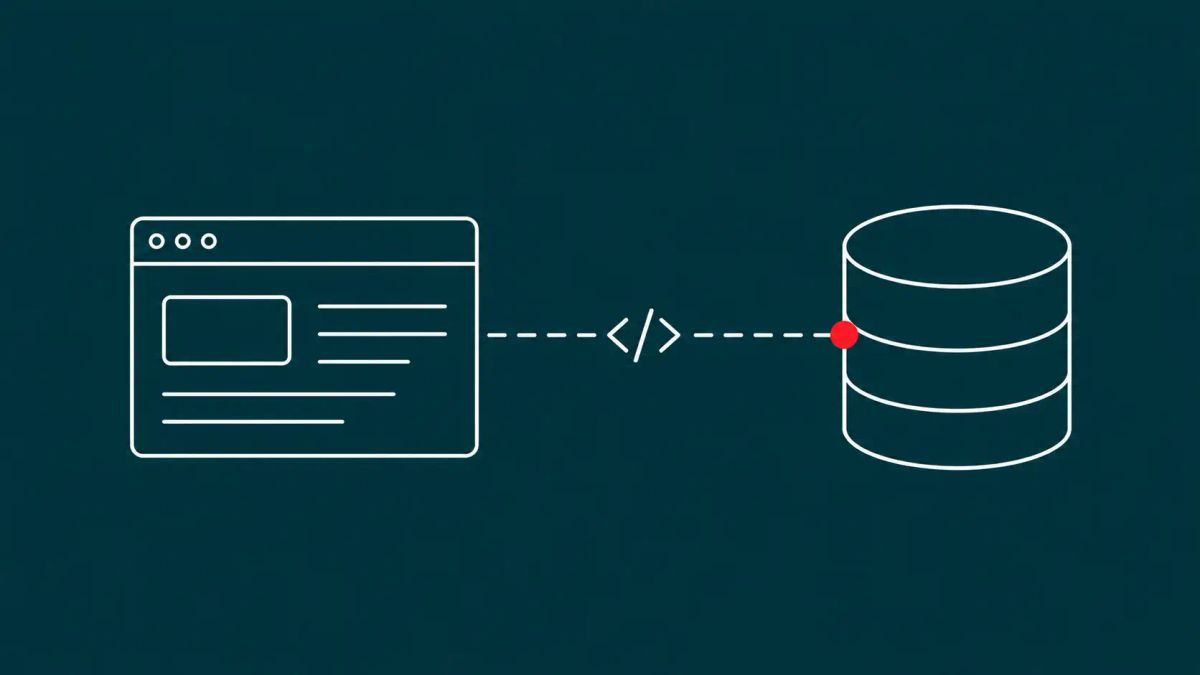
CVE-2026-9082 is an unauthenticated SQL injection in Drupal core itself — not a contributed module — so every PostgreSQL-backed Drupal site is exposed by default. Drupal pre-announces its core security releases and maintainers warned that exploits could land within hours. For a flaw like this, the patch window is effectively closed already.
PORTLAND, OREGON — On May 20, 2026, Drupal released an out-of-band 'Highly Critical' core security update for CVE-2026-9082, a SQL injection vulnerability in Drupal core's database abstraction API. The flaw is exploitable by anonymous, unauthenticated users and affects sites running on PostgreSQL specifically. Drupal rated it 20 out of 25 on its security-risk scale — the 'Highly Critical' tier — and security reporting describes the potential impact as extending to unauthenticated remote code execution, privilege escalation, and information disclosure. Drupal core security releases are pre-announced and tightly scheduled; maintainers had warned that exploits could emerge 'within hours or days' of the release. Drupal powers a large share of government, education, and enterprise websites, and PostgreSQL is a common backend across those sectors — making the exposed population significant. Patches are available, and administrators are being urged to update immediately.
What Happened
The Flaw Is in Drupal Core, and It Needs No Login
CVE-2026-9082 is a SQL injection vulnerability in Drupal core's database abstraction API — the layer Drupal uses to construct and run database queries. Two facts make it serious. First, it is in Drupal core, not in a contributed module, which means it is not a flaw that only sites running some particular add-on have to worry about; it is present by default in the core software every Drupal site runs. Second, it is exploitable by anonymous, unauthenticated users — an attacker needs no account, no credentials, and no foothold, only the ability to reach the site. Drupal rated the flaw 20 out of 25 on its security-risk scale, placing it in the 'Highly Critical' tier. Drupal uses its own 25-point scoring system rather than CVSS; the two scales are not interchangeable, and the Drupal score is the authoritative one here.
Why PostgreSQL Sites Specifically
The vulnerability affects Drupal sites running on PostgreSQL. Drupal supports multiple database backends — MySQL and MariaDB are the most common, with PostgreSQL a frequent choice in government, education, and enterprise deployments — and CVE-2026-9082's exploitability is tied to PostgreSQL specifically. That makes the first action for any Drupal operator a simple diagnostic question: what database does the site run on? Reporting to date describes the flaw as PostgreSQL-specific; whether MySQL- and MariaDB-backed sites are entirely unaffected or merely lower-risk should be confirmed against Drupal's own advisory. For the population that does run PostgreSQL, the exposure is direct and the priority is unambiguous.
'Within Hours or Days' — the Patch Window Is Already Closing
Drupal's security process is unusual in a way that matters here. Core security releases are scheduled and pre-announced — the security team tells the world a release is coming before it ships — and ahead of this one, maintainers explicitly warned that exploits could emerge 'within hours or days.' That advance notice helps responsible administrators prepare, but it also gives attackers a countdown. Once the patched code is public, the fix itself becomes a roadmap: comparing the patched and unpatched code reveals the vulnerability. For a flaw that is unauthenticated, in core, and affecting a well-defined population of sites, the realistic assumption is that the gap between disclosure and working exploits is measured in hours, not weeks. Security reporting has characterized the potential downstream impact as reaching unauthenticated remote code execution, privilege escalation, and information disclosure — though SQL injection escalating to full RCE is a plausible path rather than an automatic one, and the precise impact ceiling should be read from Drupal's own advisory.
Scope and Impact
CVE-2026-9082 lands inside a 2026 cycle that has been punishing for critical web-infrastructure software. The CyberSignal has tracked the Apache HTTP/2 double-free remote-code-execution flaw that gave administrators six days to patch and the critical unauthenticated Exim RCE that XBOW used to race an autonomous exploit pipeline against human researchers. The Drupal flaw differs in one consequential way: its exposed population is not defined by who deployed a particular optional component, but by who runs Drupal on PostgreSQL at all. A core flaw scopes itself to the platform, not to a configuration choice — which is what makes a core SQL injection a different category of problem from a module bug.
The other defining feature of a CMS core vulnerability is its long tail. Drupal, like WordPress, runs on an enormous, decentralized population of sites maintained by people of wildly varying attention and resources — agencies with forgotten microsites, universities with departmental pages, enterprises with shadow properties nobody owns. Those sites do not patch on a schedule; many do not patch at all. The CyberSignal has documented the same dynamic in the WordPress ecosystem through the actively exploited Breeze Cache flaw and the attacker who bought 31 WordPress plugins and hid a backdoor in them for eight months. For CVE-2026-9082, that means the realistic exposure window is not the days until a patch exists — it already exists — but the months it will take for the unattended long tail of PostgreSQL Drupal sites to actually apply it, if they ever do.
Response and Attribution
For Drupal site owners and web teams, the first action is a diagnostic one: determine the database backend now. A Drupal site running PostgreSQL is exposed and should be patched to the fixed core version today. If immediate patching is not possible, restrict anonymous access and consider placing PostgreSQL-backed Drupal sites behind a web application firewall rule that blocks SQL-injection patterns, or taking them offline, until the patch is applied. Audit PostgreSQL query logs for anomalous queries — unauthenticated SQL injection leaves traces, and unexpected reads of user or credential tables are a warning sign. After patching, rotate credentials and review for data exfiltration or unauthorized administrator accounts; a site that was internet-facing and unpatched after May 20 should be treated as possibly already exploited.
For agencies, universities, and enterprises running Drupal at scale, the hard part is inventory. Large organizations routinely have forgotten or shadow Drupal sites, and those are precisely the ones that will not get patched on their own — so the work is to enumerate every Drupal property across the estate, identify the PostgreSQL-backed ones, and confirm patch deployment by verification rather than assumption. Managed Drupal hosts may patch platform-side, but self-hosted sites remain the operator's responsibility. For SOC and threat-hunting teams, add Drupal SQL-injection signatures to web application firewall and intrusion-detection rules, hunt PostgreSQL query logs on Drupal hosts for injection patterns, and watch for post-exploitation web-shell deployment. For CISOs, the lesson is that a low-priority public web property is still real attack surface — a forgotten Drupal microsite is a foothold, and CMS patch compliance deserves to be tracked as a managed metric, not assumed.
The CyberSignal Analysis
Signal 01 — A Core Flaw Scopes Itself to the Platform, Not a Configuration
The single most important property of CVE-2026-9082 is the word 'core.' A vulnerability in a contributed Drupal module — or in a WordPress plugin — only exposes the sites that chose to install that component, and a defender can ask 'do we run that module?' to scope the risk. A vulnerability in Drupal core offers no such narrowing. Every Drupal site runs core; every PostgreSQL-backed Drupal site is exposed by default. The exposed population is defined by the platform and a database choice, nothing more. That is what makes core SQL injection a different and harder problem: there is no optional component to disable, no configuration that quietly opted a site out. The only variable is whether the site has applied the patch — which turns the entire response into a patch-coverage problem across an estate that most organizations have never fully inventoried.
Signal 02 — A Pre-Announced Patch Is a Countdown for Both Sides
Drupal's scheduled, pre-announced security-release process is, on balance, a strength — it lets serious operators staff up and prepare. But it is honest to recognize what it also is: a countdown visible to attackers. The moment the patched code is public, the diff between old and new code is a guide to the vulnerability, and for an unauthenticated core flaw that guide is valuable. Drupal's maintainers said it plainly — exploits 'within hours or days.' The operational implication is that defenders cannot treat CVE-2026-9082 as a this-week task. The patch window did not open on May 20 and stay open; it began closing immediately. Any PostgreSQL Drupal site that was not patched within roughly a day of the release should be treated, going forward, as potentially compromised rather than merely behind on updates.
Signal 03 — The Real Exposure Window Is the Unmaintained Long Tail
The patch for CVE-2026-9082 exists, which means the technical problem is solved. The security problem is not, because CMS platforms have no patch button that reaches every site at once. Drupal runs on a vast, decentralized population of installations, and a large fraction of them are unattended — built years ago, handed off, forgotten, or owned by no one in particular. Those sites will remain vulnerable for months, some indefinitely, and each is a potential foothold into whatever network it touches. For defenders, the takeaway is to stop thinking about the exposure as a discrete event and start treating it as a slow leak: the disclosure was a moment, but the vulnerable-site population will decay only gradually. Organizations that take CMS estate inventory seriously — finding the shadow sites before an attacker does — are the ones that actually close their exposure rather than just announcing it closed.