The Liability Pivot: U.S. Officials Weigh Terrorism Designations and Homicide Charges for Hospital Ransomware

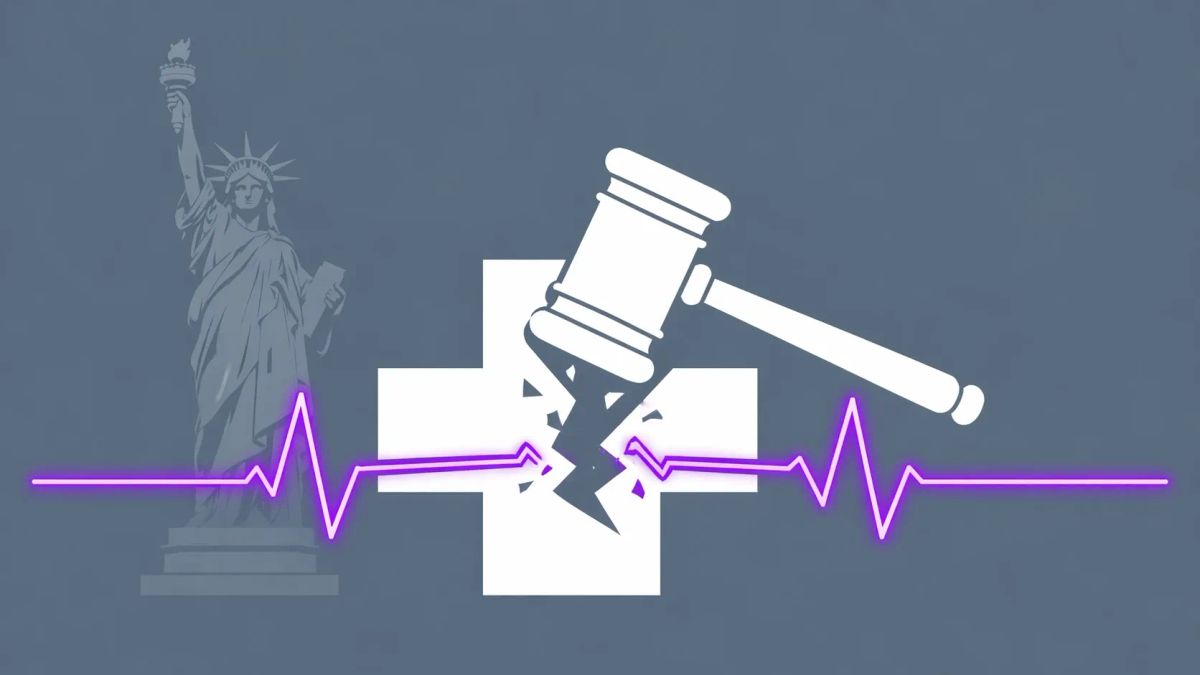
As the fallout from systemic attacks on healthcare providers continues to mount, federal lawmakers and former intelligence officials are pushing for a radical reclassification of ransomware: treating digital extortion as a capital crime.
WASHINGTON, D.C. — The legal immunity traditionally enjoyed by cybercriminals — often shielded by international borders and the "white-collar" perception of digital crime — is facing a potential collapse. In the wake of devastating attacks on health systems in Mississippi and across the U.S., federal lawmakers and former law enforcement leaders are increasingly calling for ransomware operators to be charged with homicide and designated as foreign terrorists.
According to CyberScoop and Nextgov, the momentum for this shift has reached a fever pitch following reports that care delays caused by IT outages are directly correlating with increased patient mortality rates.
Ransomware Legal Evolution: 2026 Comparison
The Legal Shift: From Extortion to Terrorism
For decades, ransomware has been treated primarily as a financial crime. However, the "Targeted Killing" of hospital infrastructure has forced a re-evaluation of the threat actors behind these campaigns. a bipartisan effort in Congress to strengthen healthcare cybersecurity after a wave of disruptive attacks reflects how sharply lawmakers' attitudes toward these incidents have hardened.
Recent testimony and reports from The Register and NPR highlight a three-pronged legislative and judicial approach:
- Homicide Charges: Prosecutors are exploring the "felony murder" doctrine, arguing that if a patient dies due to a diverted ambulance or an inaccessible health record during a ransomware attack, the hackers are directly liable for that death. This mirrors a 2020 case in Germany where authorities initially investigated a homicide charge following a ransomware-induced death in Düsseldorf.
- Terrorism Designations: Former FBI officials and current lawmakers are pondering the use of the Foreign Terrorist Organization (FTO) designation for groups that systematically target Critical National Infrastructure (CNI). This would unlock massive surveillance and financial seizure powers currently reserved for groups like Al-Qaeda.
- The "Perfect Storm" Insurance Gap: CyberScoop reports that the U.S. Treasury is currently analyzing whether the Terrorism Risk Insurance Program should be bolstered to cover cyber-events, essentially admitting that these attacks have reached the scale of national catastrophes.
A Precedent for Global Action
The push for stricter charges is not happening in a vacuum. It follows a growing global consensus that the current "defensive" posture is failing. As noted in recent BBC and NCSC briefings, the threshold for "nationally significant" attacks is dropping. By elevating the charge to homicide or terrorism, the U.S. aims to remove the profit incentive by ensuring that the personal risk to the hacker involves life imprisonment or extradition on capital charges.
The CyberSignal Analysis
Signal 01 — The Collapse of the "Digital Buffer"
This incident is a definitive signal for third-party risk. When a healthcare provider’s software vendor is hit, it is no longer just a "data leak" — it is now potentially a life-safety event with capital legal consequences. For B2B leaders, the signal is that cyber-insurance policies and liability clauses must be rewritten to account for "wrongful death" claims resulting from system downtime.
Signal 02 — The End of the "White-Collar" Hacker
This is a high-fidelity signal for threat intelligence. If the U.S. successfully designates a ransomware collective as a terrorist organization, providing any form of assistance (including paying the ransom) could technically constitute "material support for terrorism." As we explored in our analysis of banking trojans and financial risk, the "legal to pay" era is likely ending.
Signal 03 — The Pivot to "Kinetic" Defense
This represents a significant signal for threat actors. By threatening homicide charges, the U.S. is signaling a transition from "cyber-defense" to "kinetic deterrence." Much like the fake wallet infiltration of the apple app store proved that platforms are porous, this legislative move proves that the government no longer believes software updates alone can stop the tide; only the threat of extreme personal consequence will suffice.
Signal 04 — AI as an Aggravating Factor
This is a critical signal for threat intelligence. As attackers use agentic AI development to accelerate hospital breaches, lawmakers are considering "AI-assisted crime" as an aggravating factor in sentencing. The speed of AI-driven infiltration is being used as evidence of "premeditated intent" to cause systemic harm.



