
Cybersecurity 101
What Is Adversarial Machine Learning?
A defender's guide to adversarial machine learning — evasion attacks, model extraction, membership inference, why ML systems are vulnerable, and layered defenses.
Cybersecurity 101
A defender's guide to adversarial machine learning — evasion attacks, model extraction, membership inference, why ML systems are vulnerable, and layered defenses.

Cybersecurity 101
A defender's guide to prompt injection — the leading vulnerability in LLM applications. Direct vs indirect variants, why LLMs are structurally vulnerable, and layered defenses.

Cybersecurity 101
A defender's guide to data poisoning attacks on ML systems — availability vs integrity attacks, backdoors, how poisoned data enters real pipelines, and layered defenses.

Cybersecurity 101
A defender's guide to AI red teaming — what it is, how it differs from traditional red teaming, common techniques, and how to stand up an AI red team function.

Cybersecurity 101
A complete guide to AI security — what makes AI systems different, the main categories of AI attacks, defensive practices, and the emerging governance standards.
AI Security
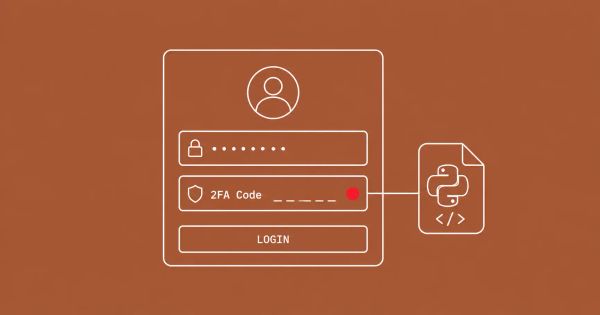
Google Threat Intelligence Group disclosed the first known AI-developed zero-day used in the wild — a Python 2FA bypass intended for mass exploitation. Google identified the LLM fingerprint and coordinated a patch before the campaign could launch.

AI Security
CrowdStrike extended Falcon AIDR to Kubernetes AI workloads with a 180-technique taxonomy and 99% sub-30ms benchmark — making AI runtime security a five-vendor category.

Threat Intelligence
CrowdStrike's 2026 Financial Services Threat Landscape Report logs $2.02B in DPRK theft, PRESSURE CHOLLIMA's $1.46B record heist, and AI-tripled CHOLLIMA tempo.

AI Security
XBOW disclosed a CVSS 9.8 unauthenticated RCE in Exim, then raced an autonomous LLM against a human to weaponize it. In the controlled challenge the machine finished a working exploit; the human didn't. That's the real signal in the shrinking n-day window.

Cyber Attacks
Mistral AI confirmed a codebase management breach as TeamPCP listed ~450 repositories at $25K buy-it-now, with a seven-day leak deadline.

AI Security
OpenAI launched Daybreak on May 11, 2026 — an AI vulnerability discovery platform with three GPT-5.5 models and a 20+ partner roster including Cisco, Cloudflare, CrowdStrike, Palo Alto, Snyk, Tenable, and Rapid7. The AI defender market just formed.
AI Security
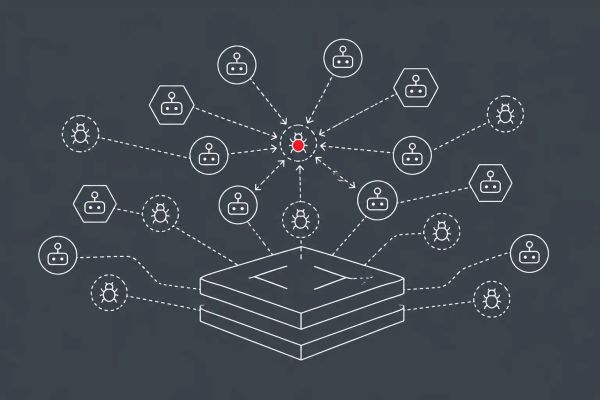
Microsoft's MDASH AI found 16 of May's Patch Tuesday vulnerabilities, four critical. Palo Alto scanned its codebase with frontier models including Anthropic's Mythos and found 75 flaws across 26 CVEs. AI vulnerability discovery is now operational at vendor scale.