Rilian Raises $17.5M for AI-Native Security Orchestration Platform Caspian

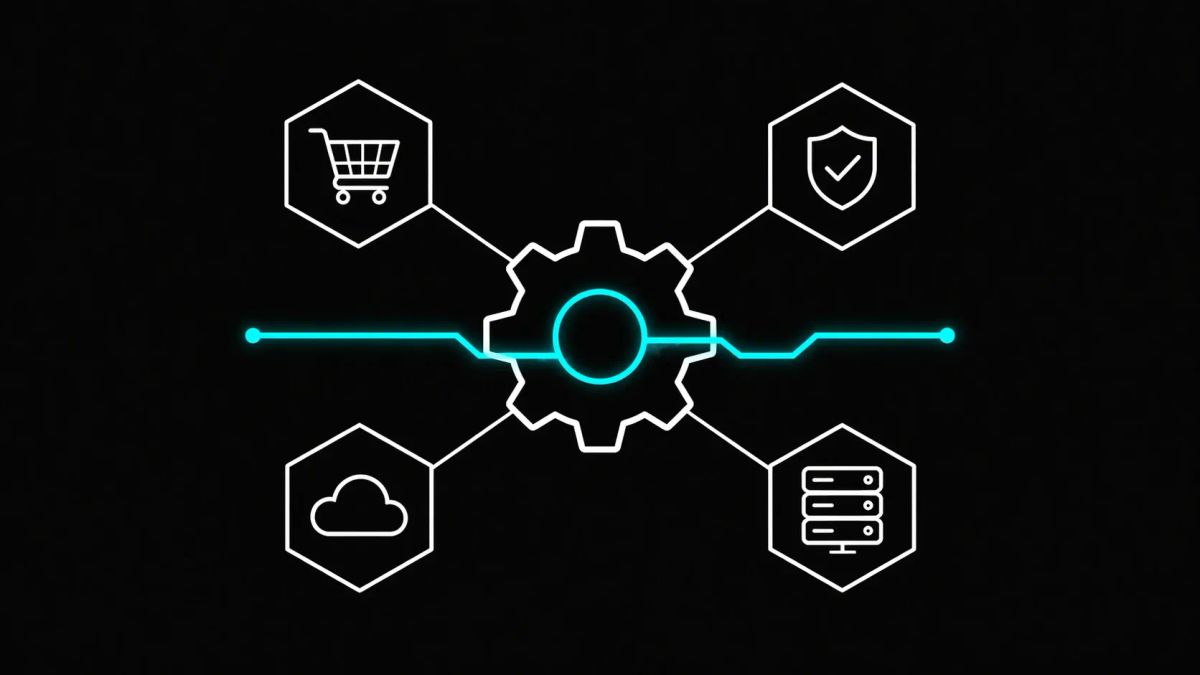
Rilian has emerged from stealth with $17.5 million in seed funding to scale its "Caspian" platform, aiming to automate the complex lifecycle of security software procurement and deployment for defense and enterprise sectors.
SAN FRANCISCO, CA — Rilian announced on April 23, 2026, that it has secured $17.5 million in combined seed and seed-extension funding. The investment marks a significant entry for the startup as it develops Caspian, an AI-native cybersecurity and defense systems integration platform.
The funding round was led by 8VC, First In, and Tamarack Global, with additional participation from 8090 Industries, Liquid 2 Ventures, Perot Jain, and Protego Ventures. The capital infusion is earmarked for the advancement of what the company describes as "agentic security orchestration," a model designed to streamline how organizations identify, acquire, and implement defensive technologies.
Defining Agentic Security Orchestration
The core of Rilian’s market proposition is the Caspian platform. The company states that Caspian is built to function as an "agentic" system — meaning it uses AI agents to autonomously navigate the procurement and deployment cycles of security software. In the 2026 landscape, where the "tools sprawl" of disparate security products often creates more noise than protection, AI-native orchestration is becoming a critical layer for CTOs.
By automating the integration of defense systems, Rilian aims to reduce the manual friction typically associated with scaling cybersecurity stacks. For those looking to understand the foundational shift toward automated defense, our cybersecurity 101 hub provides deep dives into the transition from legacy manual workflows to AI-driven orchestration.
Strategic Market Positioning
Rilian’s entry comes at a time when the "systemic fragility" of traditional manual deployment models is being exposed by high-frequency threats. We recently highlighted this vulnerability in our analysis of the Humana data breach, which affected multiple states and underscored the need for faster, more resilient system integrations. For further updates on the intersection of artificial intelligence and defensive tech, explore our AI security tag page.
The CyberSignal Analysis
Signal 01 — The Shift from "Detection" to "Deployment"
Venture interest in Rilian suggests a fundamental pivot in the 2026 cybersecurity market. While previous years focused heavily on AI for detecting threats, Rilian is targeting the operational bottleneck: procurement and deployment. If Caspian can successfully automate the technical vetting and installation of third-party tools, it addresses a major pain point for the defense sector, where integration timelines are traditionally measured in months rather than days.
Signal 02 — The Rise of "Security Procurement" as a Defensive Layer
By positioning Caspian as a tool for "automating security software procurement," Rilian is effectively treating the supply chain as a programmable defensive asset. This "agentic" approach suggests that in the near future, security stacks may be dynamically assembled and reconfigured by AI agents based on real-time risk profiles. For CISOs, this represents a shift from static "defense-in-depth" to a more fluid, modular security posture.



