1.2TB Extracted: Standard Bank Investigates Massive Customer Data Leak

South Africa’s largest lender by assets is reeling from a major security incident after a threat actor publicly released a massive cache of sensitive banking data.
JOHANNESBURG, SOUTH AFRICA — Standard Bank has confirmed it is managing a "data incident" following reports that a threat actor has successfully exfiltrated and leaked approximately 1.2 terabytes of sensitive information. The breach, which has sent shockwaves through the South African financial sector, reportedly includes personal details, account information, and credit card data belonging to a significant portion of the bank's customer base.
In official statements, the bank characterized the event as a highly sophisticated attack on its digital infrastructure. While the bank maintains that its core banking systems remain secure and operational, the public release of the stolen data has triggered an immediate crisis in customer trust and identity security.
Breach Impact Summary
Scope of the Exposure
Forensic analysts and cybersecurity watchdogs, including MyBroadband and ITWeb, have begun parsing the leaked data sets. The findings suggest a deep compromise of archival and customer-facing records.
Key details confirmed by initial investigations include:
- The "Daily Dumps": The threat actor has reportedly adopted a "slow-release" strategy, posting new segments of the 1.2TB cache daily to maintain pressure on the institution and maximize public exposure.
- Sensitive Content: Stolen files appear to contain full names, ID numbers, home addresses, and — most critically — plaintext credit card numbers and expiry dates for certain client segments.
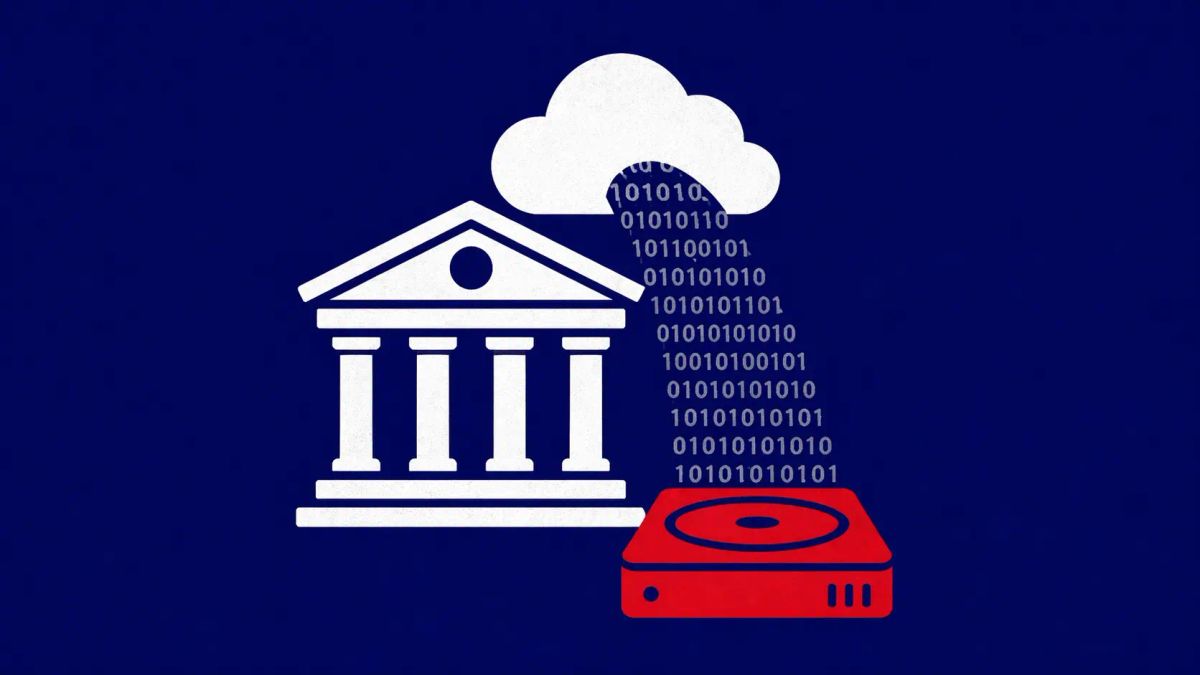
- Targeted Systems: Preliminary reports suggest the breach may have originated via a compromised third-party cloud environment or a vulnerability in a legacy data storage server.
The Institutional Response
Standard Bank has activated its emergency response protocols, advising customers to remain hyper-vigilant against phishing and "social engineering" attempts that will likely follow this leak.
"We are working tirelessly with the relevant authorities and the Information Regulator to determine the full extent of the compromise," the bank noted in a press release. Standard Bank has also begun proactively reaching out to high-risk individuals whose credit card details were identified in the early stages of the leak.
The CyberSignal Analysis
Signal 01 — The High Cost of Data Gravity
The sheer volume of the Standard Bank leak — 1.2TB — is a "Signal" that financial institutions are struggling with "Data Gravity." As banks collect more data to fuel AI and personalized services, the risk surface expands exponentially. For B2B leaders, the takeaway is clear: if you don't need the data for immediate operations, it shouldn't be stored in an accessible "Hot" environment. This breach is a textbook example of why vulnerability management must include a strict data-minimization policy.
Signal 02 — Second-Wave Fraud and Vishing
The "Signal" for the coming weeks is a surge in "follow-up" fraud. Just as we’ve seen with the ATHR AI vishing platform, attackers will use the stolen Standard Bank details to build trust in voice calls. Because the hacker has the victim's real ID number and address, their "vishing" scripts will be incredibly convincing. Financial institutions must now treat "Knowing the Customer's Data" as a compromised metric for digital identity verification.