The Ghost in the Hypervisor: Ransomware Operators Pivot to QEMU for Stealth Execution

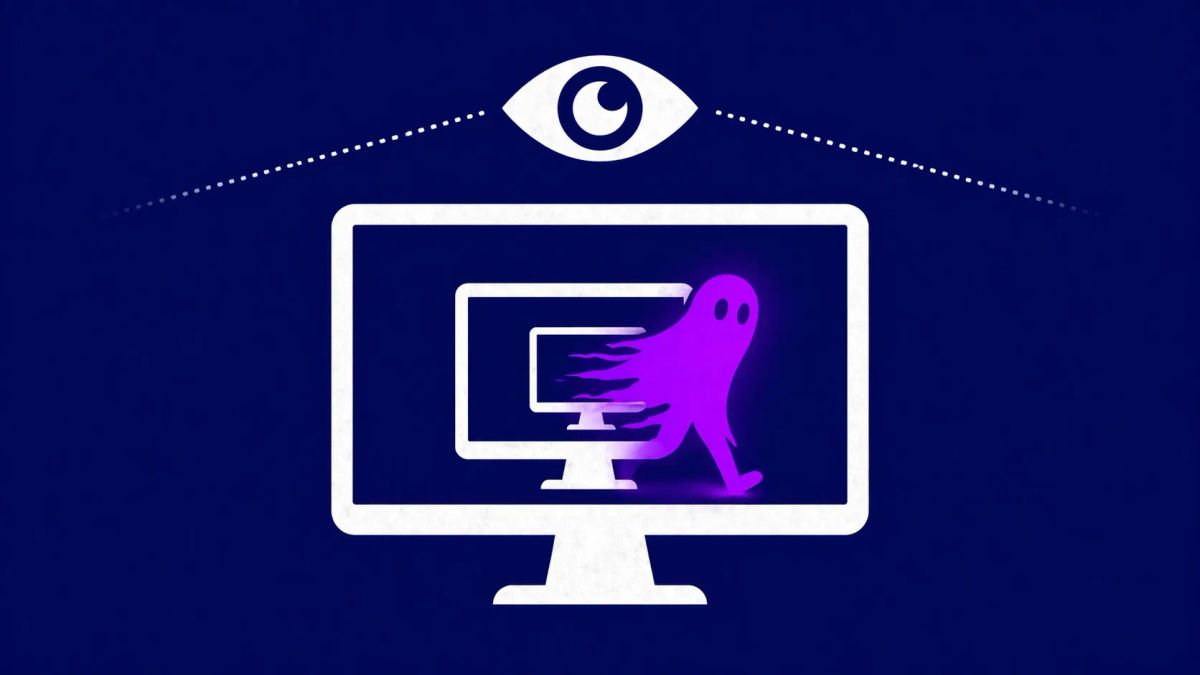
By wrapping malicious payloads inside legitimate QEMU virtual machines, threat actors are effectively blinding EDR and AV solutions, turning an open-source emulator into a potent defense evasion tool.
ABINGDON, UK — A sophisticated shift in ransomware delivery has been identified by security researchers at Sophos and BleepingComputer. Threat actors are increasingly leveraging QEMU (Quick Emulator) — a legitimate, open-source virtualization tool — to create "hidden environments" on compromised hosts. This tactic allows attackers to run ransomware and data exfiltration tools inside a virtual machine (VM) that is invisible to the host’s security software.
The technique, recently observed in campaigns by the "Payouts King" ransomware group, represents a high-level mastery of defense evasion, moving the "battlefield" into a layer of the system that most Endpoint Detection and Response (EDR) tools are not configured to monitor.
Attack Breakdown: The QEMU Evasion Cycle
The Virtualization Shield: How the Attack Works
The core of the strategy is isolation. Rather than running a malicious .exe directly on the victim's Windows or Linux OS, the attacker deploys a lightweight QEMU instance.
According to technical analysis from Sophos and Security Affairs, the intrusion follows a modular playbook:
- The Deployment: Attackers gain initial access (often through compromised credentials) and download a portable version of QEMU along with a pre-configured VM disk image (
.qcow2or.raw). - The Blind Spot: Because the ransomware encrypts files from within the VM — using the host's network shares or mounted drives — the security agents running on the host OS see only legitimate QEMU process activity.
- The Payload: Inside the "Black Box" of the VM, the attacker has a full, unmonitored environment to run scanning tools, steal data, or execute the final encryption phase without triggering behavioral alerts.
From "Hidden VMs" to Enterprise Takeover
The use of QEMU is particularly effective because the software is a signed, legitimate tool often found in developer and sysadmin environments. This makes it difficult for security teams to simply "block" the executable without disrupting normal operations.
Researchers at Cybersecurity Intelligence note that this method mirrors previous "VM-in-VM" attacks used by groups like Ragnar Locker, but the pivot to QEMU suggests a move toward more lightweight, cross-platform emulators that can be deployed rapidly across diverse enterprise architectures.
The CyberSignal Analysis
Signal 01 — The "Legitimate Tool" Paradox
This incident is a definitive "Signal" for enterprise infrastructure. We are seeing a "Living off the Land" (LotL) evolution where attackers aren't just using your scripts (PowerShell); they are using your entire infrastructure (Hypervisors). For B2B leaders, this means Application Allowlisting is no longer enough. You must monitor the behavior of legitimate tools. If QEMU is suddenly mounting every department share on a weekend, that is a high-fidelity indicator of a "Phantom VM" attack.
Signal 02 — The Resilience Gap
This is a critical "Signal" for operational resilience. If your defense strategy relies entirely on "detecting the malware," you are vulnerable to this technique because, from the host's perspective, there is no malware — only a virtual machine. This highlights the need for Immutability. If your data is backed up in an immutable, off-site repository, it doesn't matter how "stealthy" the VM is; the attacker cannot achieve the leverage required for a payout.



