WhatsApp Metadata Leak Exposes Billions to Targeted Fingerprinting Attacks

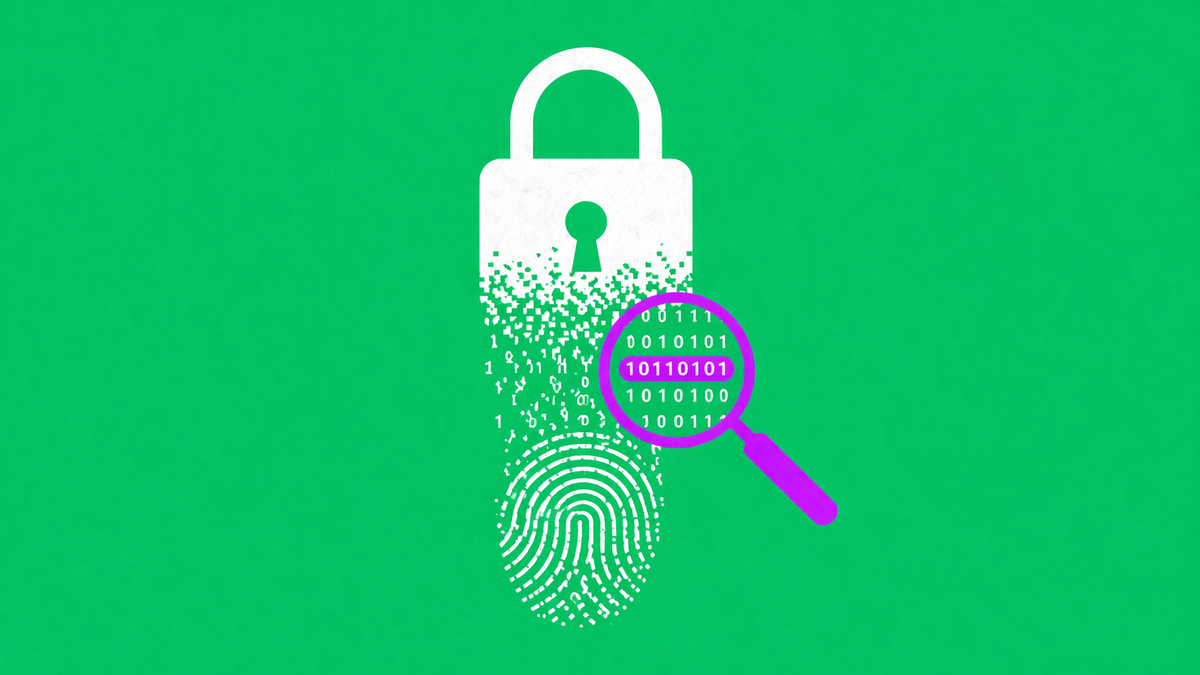
Security researchers have identified a persistent vulnerability in the world’s most popular messaging app that allows attackers to scrape granular user metadata, bypassing end-to-end encryption (E2EE) protections.
MENLO PARK, CA — While WhatsApp’s end-to-end encryption ensures that the content of a message remains private, a series of critical vulnerabilities has revealed that the context surrounding those messages is far more exposed than previously understood. Security researchers from Dark Reading and SecurityWeek have spotlighted a major flaw in the WhatsApp API and contact-syncing mechanisms that allows sophisticated actors to "fingerprint" and track up to 3.5 billion users.
The vulnerability does not break the encryption of the chats themselves; instead, it exploits the "Metadata" layer — the digital breadcrumbs that describe who you are, what device you use, and when you are active.
Exposed Metadata Categories
The "Silent" Scrape: How Device Fingerprinting Works
The attack vector utilizes a flaw in how WhatsApp handles contact discovery and profile synchronization. By querying the WhatsApp API with massive batches of generated phone numbers, attackers can exfiltrate high-fidelity metadata without the target ever receiving a notification — the kind of silent reconnaissance that precedes an account takeover attack.
According to technical reports from Cybernews and BlackBerry, the leaked data points include:
- Device Identity: Specific hardware models, operating system versions, and unique device identifiers.
- User Status & Patterns: Granular "Last Seen" timestamps and online presence patterns that can be used to map a user’s daily routine.
- Profile Metadata: Profile photo URLs (even when restricted), status updates, and linked account indicators.
- Network Information: IP addresses and connection types that reveal a user's general geographic location and ISP.
The Meta Response: Rolling Fixes Amid Global Scrutiny
Meta has begun rolling out server-side mitigations to rate-limit API queries and obfuscate certain metadata fields. However, researchers warn that the fundamental architecture of "Contact Discovery" — which requires the app to check if a phone number exists on the platform — remains a privacy bottleneck.
The leak has drawn particular concern in regions like India, where India.com reports that millions of users have already had their photos and status metadata scraped and indexed by third-party "stalkerware" databases and marketing aggregators.
Threat Evolution Timeline: The WhatsApp Metadata Leak
- 2020–2022 | The Scoping Phase: Initial research by academic groups identifies that "Last Seen" and "Online" status can be used to correlate user activity between different platforms (e.g., comparing WhatsApp activity to Telegram activity).
- 2023–2024 | API Harvesting: Unauthorized scrapers begin leveraging WhatsApp’s web-based contact sync to build massive databases of profile photos and phone number associations, primarily targeting the Indian and Brazilian markets.
- Late 2025 | The Discovery of "Fingerprinting": High-fidelity research reveals that Meta’s API inadvertently leaks device-specific identifiers (OS version, hardware model) during the initial handshake, allowing for sophisticated "targeted" exploits.
- April 2026 | Mass Exfiltration confirmed: Dark Reading and other security outlets confirm that advanced actors are systematically using these flaws to scrape metadata from 3.5 billion users for use in identity-based social engineering campaigns.
- Present | Mitigation Rollout: Meta begins implementing server-side rate-limiting and metadata obfuscation, though the fundamental "Contact Discovery" privacy trade-off remains unresolved.
The CyberSignal Analysis
Signal 01 — Metadata is the New Content
This incident is a critical "Signal" for identity & access management (IAM). In the 2026 threat landscape, encryption is no longer the final word in privacy. If an attacker knows your device type, your location, and your active hours, they have enough intelligence to launch a highly convincing Helpdesk Impersonation or social engineering attack. For B2B leaders, this is a reminder that "Metadata" is a high-value asset that must be protected with the same rigor as the data it describes.
Signal 02 — The Scalability of API Deception
The "Signal" here is the move toward "Low-Noise" scraping. By using the API as intended — but at a massive, automated scale — attackers are turning a feature into a surveillance tool. This mirrors the Vercel / Context AI breach, where trusted integrations were the primary entry point. In 2026, SaaS security means assuming that every "Convenience" feature (like contact syncing) is a potential leak for your employees' corporate identities.