Senate Commerce Committee Advances Bipartisan Bills to Secure Commercial Satellites and Prepare for Quantum Threats

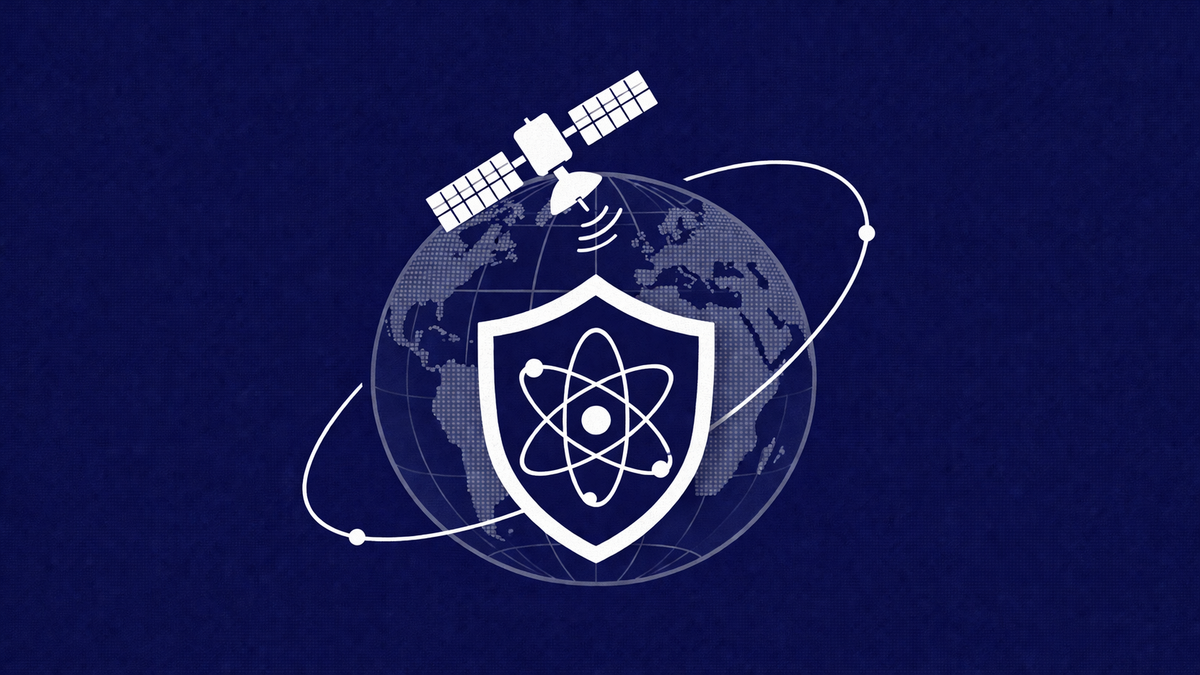
In a significant legislative push, the Senate Commerce, Science, and Transportation Committee has cleared two critical cybersecurity bills aimed at hardening U.S. space infrastructure and accelerating the transition to quantum-resistant encryption.
WASHINGTON, D.C. — U.S. lawmakers have taken a major step toward addressing "next-frontier" digital threats. The Senate Commerce Committee, led by Senators Gary Peters (D-MI) and John Cornyn (R-TX), has successfully advanced the Satellite Cybersecurity Act and the Secure Space Act.
The move signals a growing consensus in Washington that commercial space assets and the looming "quantum apocalypse" — the point at which quantum computers can break traditional encryption — are no longer theoretical risks but immediate National Security priorities.
Hardening the High Ground: Satellite Security
As commercial satellite constellations become integral to everything from global telecommunications to military logistics, their vulnerability to cyber interference has become a glaring gap in U.S. defense.
The Satellite Cybersecurity Act mandates that the Cybersecurity and Infrastructure Security Agency (CISA) develop a specialized clearinghouse of security resources specifically for commercial satellite operators.
Key provisions of the satellite legislation include:
- Consolidated Vulnerability Reporting: Creating a unified framework for operators to report and track threats unique to space-based assets.
- CISA-Led Strategy: Requiring CISA to develop a long-term strategy to protect the "Commercial Space Sector," which is currently not officially listed as one of the 16 critical infrastructure sectors.
- Supply Chain Transparency: Incentivizing satellite manufacturers to provide greater transparency into the software and components used in orbital systems.
The Quantum Leap: Post-Quantum Cryptography (PQC)
The committee also cleared measures related to Quantum Security, focusing on the federal government’s transition to post-quantum cryptography. With adversaries already employing "harvest now, decrypt later" tactics — stealing encrypted data today to decrypt it once quantum computing matures — the legislation aims to expedite the adoption of NIST-approved quantum-resistant standards.
"We cannot wait for the first quantum-driven breach to begin securing our most sensitive data," Senator Peters stated during the markup session.
The CyberSignal Analysis
Signal 01 — The "17th Sector" is Coming
By directing CISA to create a specific strategy for space, the Senate is effectively treating commercial space as the unofficial "17th Critical Infrastructure Sector." For B2B leaders in aerospace and telecommunications, this is a clear signal that the era of voluntary security standards is ending. Expect mandatory compliance frameworks for satellite ground stations and telemetry links to emerge within the next 24 months.
Signal 02 — The Convergence of Space and National Security
This legislation underscores the blurring line between private profit and public safety. As we noted in our recent coverage of national security and critical infrastructure, the government is increasingly relying on commercial networks for mission-critical tasks. If you are a vendor in the satellite supply chain, your cybersecurity posture is now a matter of federal oversight.
Signal 03 — Quantum Readiness as a Competitive Moat
The push for Quantum Security isn't just for the government. The "Signal" for the private sector is that being "Quantum Ready" will soon be a prerequisite for government contracts. Companies that begin implementing PQC (Post-Quantum Cryptography) now will have a significant competitive advantage as these bills move closer to becoming law.