NVIDIA's Armenian Cloud Gaming Partner Was Hacked
A breach of GFN.am, NVIDIA's authorized GeForce NOW partner in Armenia, exposed user data including roughly 6,000 customer payment cards. ShinyHunters claimed responsibility, but BleepingComputer and Cybernews assess the claimant as a likely impersonator.

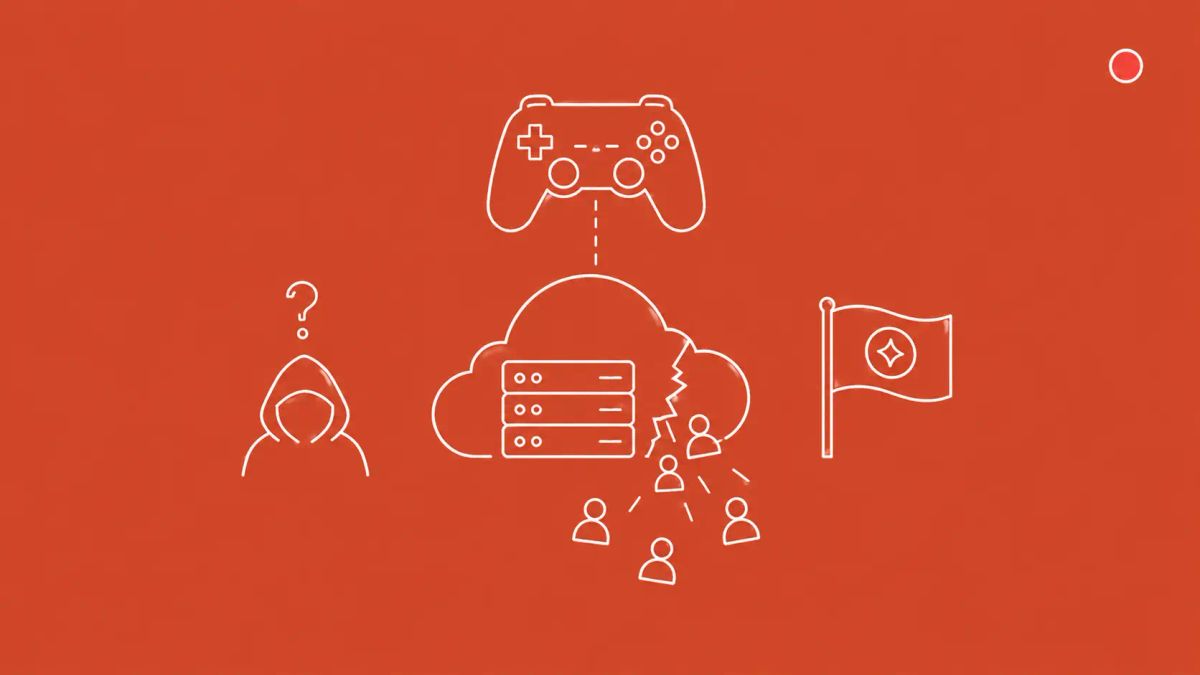
The breach is real. The attribution is contested. Reporting on contested attribution as if it were settled is one of the standard ways security journalism goes wrong, and the GFN.am case is an instructive instance.
YEREVAN — GFN.am, the operator of GeForce NOW services in Armenia under an authorized partnership with NVIDIA, confirmed a security incident affecting its customer database. Per public reporting, the breach exposed user account information including names, email addresses, gaming session metadata, and approximately 6,000 customer payment card records. NVIDIA itself was not breached. GFN.am operates the regional GeForce NOW infrastructure under license; NVIDIA's core systems and the global GeForce NOW service are unaffected.
The breach was claimed on a data-leak site under the ShinyHunters brand. BleepingComputer and Cybernews independently assessed the claimant as more likely an impersonator using the ShinyHunters name than the established financially-motivated extortion group that has been linked to the Cushman Wakefield Salesforce campaign and the Canvas Instructure school defacement earlier this month. The technical pattern, ransom demand structure, and operational signaling on the GFN.am leak post differ in material ways from the established group's tradecraft. For defenders, the attribution caveat is the editorially important detail: treat the breach as confirmed and the attribution as unconfirmed.
What was breached, what wasn't
GFN.am operates GeForce NOW infrastructure in Armenia under an authorized partnership arrangement with NVIDIA. The breach is of GFN.am's customer database — the records held by the regional partner, not by NVIDIA. Per the public claim and confirming reporting, the exposed data includes account names, email addresses, gaming session metadata, and approximately 6,000 customer payment card records. NVIDIA's core infrastructure was not accessed. The global GeForce NOW service, run directly by NVIDIA, is not affected.
For NVIDIA's customers globally, this is a partner-of-partner incident, not an NVIDIA breach. The distinction matters for the right operational response: GFN.am users in Armenia should rotate credentials and monitor for payment card fraud; users of the global GeForce NOW service do not need to take action specifically because of this breach, though general account hygiene is always reasonable.
The contested attribution
The leak post on the data-leak site was published under the ShinyHunters brand. The established ShinyHunters group is a financially-motivated extortion crew with a documented operational profile that includes a specific style of ransom note, a particular tooling pattern, and a recurring set of public-facing personas. BleepingComputer and Cybernews, in their independent reporting on the GFN.am post, both noted that the technical and operational pattern of the GFN.am leak post diverges from the established group's tradecraft in ways that suggest impersonation rather than authentic group activity.
This is not unusual. Established extortion brands attract impersonators because the brand itself confers credibility — a victim is more likely to take a ransom demand seriously if it appears to come from a group with a track record. The ShinyHunters brand has been impersonated in other incidents this year. The defender takeaway is to treat brand attribution from leak-site posts as a hypothesis to be tested against the technical evidence, not as a settled fact.
The vendor-of-vendor risk model
The GFN.am breach illustrates a common pattern in 2026 supply chain security: a major vendor licenses operational responsibility for a region or service tier to a partner, the partner operates with less mature security than the major vendor, and a breach of the partner is reported in the press as a breach of the major vendor. This is not the same as a breach, but it is also not nothing — customers reasonably hold the major vendor accountable for due diligence on their authorized partners' security posture, even when the legal liability boundary is clear.
For organizations that license services to regional partners, the operational implication is that partner security audits should be a recurring program, not a one-time onboarding check. For organizations that consume services from major vendors with regional partner networks, the question to ask is which partner is operating the service in your region and what their security posture looks like, not just the major vendor's.
The CyberSignal Analysis
Signal 01 — Brand impersonation is a documented attribution risk
Reporting that takes leak-site brand claims at face value gets attribution wrong with some regularity. Update internal threat intelligence workflow to require corroboration of brand attribution against the technical evidence — TTPs, tooling, ransom note pattern, communication style — before treating the attribution as confirmed.
Signal 02 — Vendor-of-vendor risk is now a board question
Major vendors with regional partner networks present a risk surface that is opaque to most enterprise vendor security review programs. Update vendor review checklists to require the major vendor to disclose authorized partners by region and to commit to security posture standards across the partner network.
Signal 03 — Communications precision matters during breach response
If your organization is named adjacent to a breach, the speed and precision of the communications response shapes how the press and customers describe the incident. Pre-script communications templates for partner-breach scenarios so the messaging is ready when needed.
What to do this week
- If your organization or employees use GFN.am specifically, rotate credentials and monitor payment cards used on the service for unauthorized transactions. Users of the global GeForce NOW service do not need specific action from this incident.
- If your organization licenses services to regional partners or consumes services from major vendors with regional partners, review your partner security audit program.
- Update your threat intelligence workflow to corroborate brand attribution against technical evidence before publishing or briefing on attribution.



