Leaked Pentagon Memo Threatens Spain NATO Suspension, Falklands Review

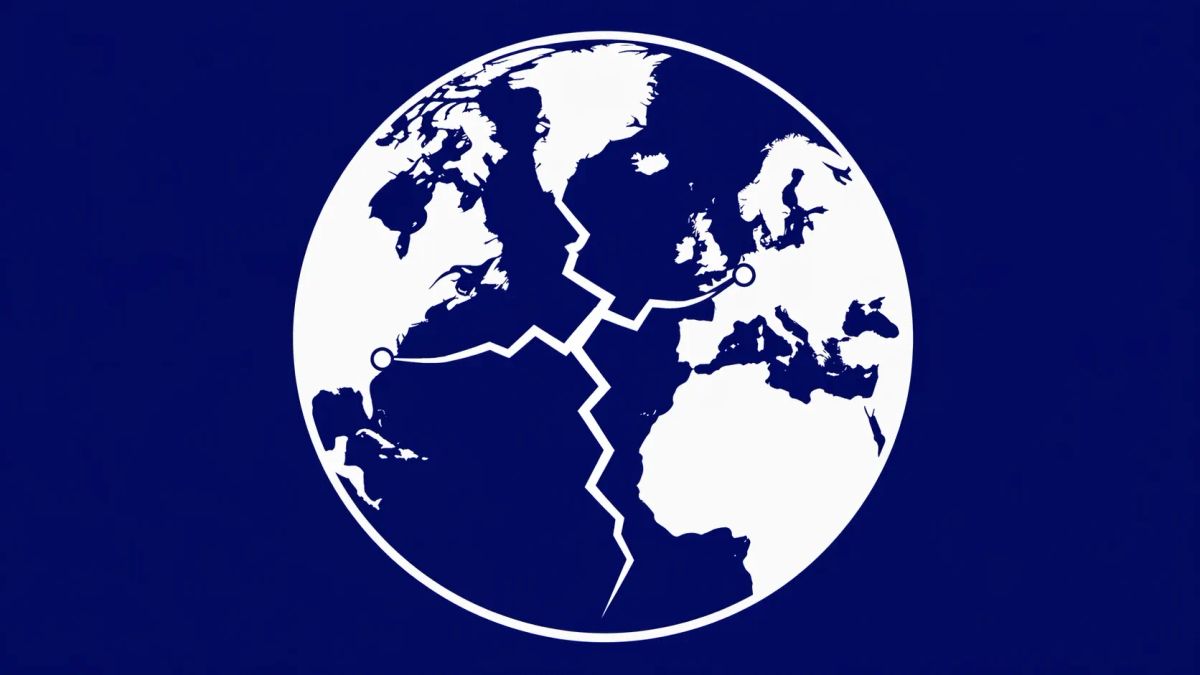
Internal DoD email outlines retaliation against allies refusing Iran war basing rights; UK reaffirms "unchanged" Falklands sovereignty amid diplomatic firestorm.
WASHINGTON, D.C. — A high-level operational security breach has exposed a widening rift within the NATO alliance. A leaked internal Pentagon email, circulating since Thursday evening, outlines a series of aggressive retaliatory measures against European allies who have denied the United States access, basing, and overflight rights (ABO) for ongoing operations against Iran.
The memorandum, first detailed by Reuters, suggests that the Trump administration is considering unprecedented diplomatic sanctions, including the symbolic suspension of Spain from NATO and a formal reassessment of U.S. support for British sovereignty over the Falkland Islands.
The Retaliation Framework: ABO or Consequences
The leaked correspondence reveals a Department of Defense (DoD) frustrated by what it perceives as a lack of "burden-sharing" and cooperation from long-standing partners. The memo argues that allies who obstruct U.S. strategic objectives in the Middle East should no longer enjoy the full diplomatic and defensive "entitlements" of the alliance.
Key Proposals in the Leaked Email:
- Spain’s NATO Status: Floating the potential suspension of Spain from the alliance. While operational impact might be limited given existing bilateral treaties, the symbolic weight would signal a "near-total collapse" of the post-WWII security architecture.
- Falklands Sovereignty Review: Specifically naming the Falkland Islands as part of a broader reassessment of U.S. support for "European imperial possessions." This serves as a direct lever against the United Kingdom's refusal to grant certain ABO requests.
- Decreasing "European Entitlement": The memo explicitly calls for a reduction in the "European sense of entitlement" regarding the U.S. security umbrella, suggesting that American military protection is now strictly conditional on tactical support for U.S. regional wars.
- Signal to the Global South: The reassessment of "imperial possessions" is framed in the memo as a way to align the U.S. with anti-colonial sentiments in South America and Africa, potentially trading traditional European alliances for new influence in the Global South.
Government Responses: UK Reaffirms Sovereignty
The response from London was swift and unequivocal. A spokesperson for No.10 Downing Street stated, "The UK position could not be clearer — sovereignty rests with the UK. The principle of self-determination for the islanders remains paramount."
The Ministry of Defence (MoD) was equally blunt. James Cartlidge, the Shadow Defence Secretary, emphasized that the islands are "not up for negotiation," while various UK officials moved to shut down any suggestion that the U.S. could use territorial status as a bargaining chip for war support. Spain has yet to issue an official response, though the proposal has reportedly sent shockwaves through the Spanish Ministry of Foreign Affairs in Madrid.
Technical Breakdown: The Anatomy of a High-Level Leak
While the diplomatic fallout is immense, the incident also highlights critical vulnerabilities in the nation-state communication chain. This is not the first time nation-state actors or internal whistleblowers have utilized unclassified or sensitive-but-unclassified (SBU) email systems to move high-stakes policy drafts.
Security analysts suggest the leak may have occurred through an "authorized but unsecured" relay — where a high-ranking official forwarded the draft to a personal device or a less-secure internal server, allowing it to be intercepted or harvested.
The CyberSignal Analysis: Strategic Signals
Signal 01 — The "Transactionalist" Alliance
This leak confirms that the current administration is moving toward a purely transactional model of NATO. The threat to withdraw support for the Falklands — a territory with 99.8% support for British rule among its inhabitants — suggests that the U.S. is willing to ignore established cybersecurity and sovereignty best practices in favor of short-term military positioning. For European leaders, the signal is clear: the U.S. security guarantee is no longer an obligation; it is a service for hire.
Signal 02 — Data Hygiene as Diplomacy
The fact that this email leaked during a period of peak geopolitical tension underscores the danger of "Shadow IT" or unencrypted email threads at the highest levels of government. We have seen how Iran, Russia, and China drive primary cyber threats; when internal DoD rifts leak, it provides these adversaries with a roadmap for further destabilizing the Western alliance without firing a shot.
Signal 03 — The New Colonial Arbitrator
By floating a review of "European imperial possessions," the U.S. is signaling its intent to act as a global arbitrator of territorial legitimacy. This could lead to a massive destabilization of maritime and territorial laws, as nations like Argentina or Spain (regarding Gibraltar) may see this as an invitation to ramp up pressure on the UK, further distracting NATO resources from the Iran and Russia theaters.