Craneware Discloses Data Theft Affecting US Hospital Finance Software
A financial-software provider serving thousands of US hospitals confirms significant data theft — sector-advisory coverage this week.

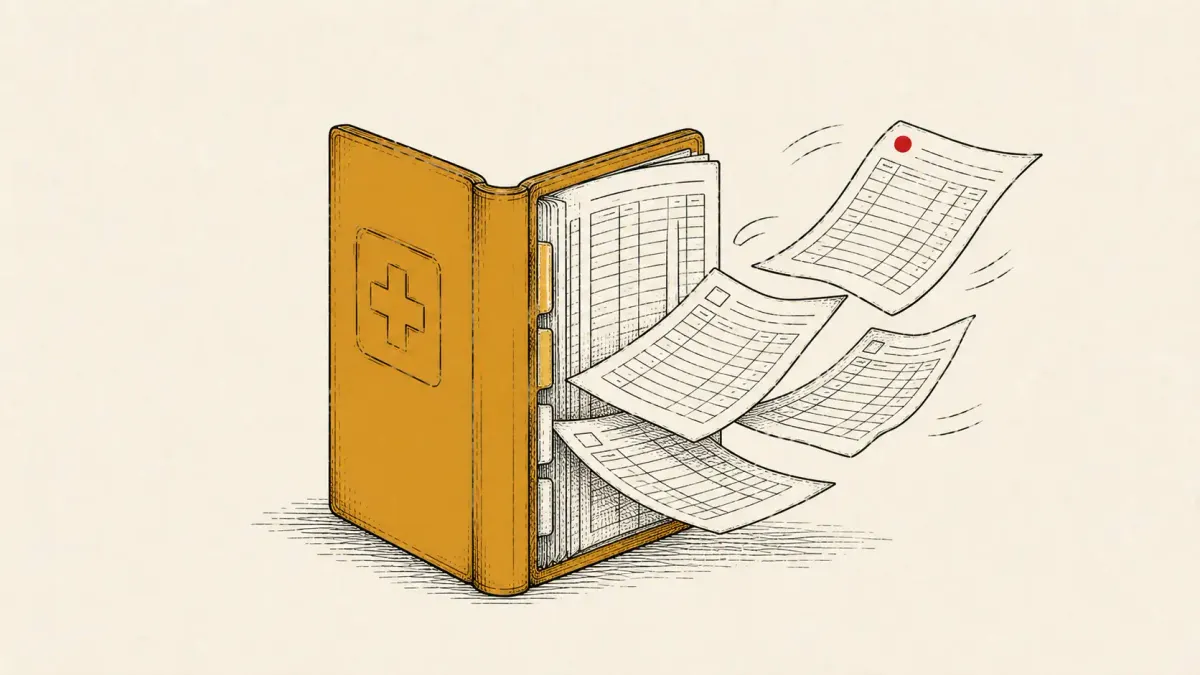
A vendor sitting at the center of US hospital billing confirms a significant data theft — and the scope, especially whether patient health information is involved, is still being worked out.
EDINBURGH — Craneware, an Edinburgh-based provider of financial and billing software relied on by thousands of US hospitals, pharmacies, and clinics, disclosed this week that attackers stole a “significant” volume of data during a cyberattack on part of its data environment. The company said the intruders appear to have been expelled and that customer services were not disrupted, but its investigation is ongoing and it is still working to identify the affected parties. For defenders, this reads as a third-party containment-and-notification story about a vendor embedded in the US healthcare payments chain, not a novel exploit to reverse-engineer.
Craneware set out the incident in a notice filed with the London Stock Exchange and dated July 20, 2026, first reported by TechCrunch and Infosecurity Magazine. It joins a run of 2026 healthcare-sector and third-party disclosures, from Atrium Health's Oracle Cerner breach spanning 16 health systems to a phishing-driven disclosure at Xsolis affecting about 1.4 million people.
What Craneware Disclosed
Craneware said it identified a cybersecurity incident involving unauthorized access to some of its data environment, and that a “significant” volume of file names was viewed and exfiltrated. According to Infosecurity Magazine, the company characterized a large element of the stolen material as non-sensitive data or already-public regulatory data, while acknowledging that some employee data and a subset of customer and partner records were also accessed and exfiltrated.
The disclosure came in a notice filed with the London Stock Exchange and dated July 20, 2026. Craneware said it had notified both the UK Information Commissioner's Office and the US FBI, and that it is continuing its response while working to identify affected parties. As TechCrunch reported, the company did not specify what categories of data were taken, describing only a “percentage” of employee, customer, and partner records. It has not named the intruders, explained how access was gained, or confirmed whether any ransom demand was made.
The Downstream US Healthcare-Sector Exposure
What makes the disclosure consequential is Craneware's position in the US healthcare payments chain. Its accounting and billing software — including the Trisus Chargemaster product, which details the prices of items and services billable to a patient — is used by thousands of clinics, hospitals, and pharmacies across the United States, with roughly 2,000 hospital and health-system partners. That concentrates a great deal of downstream patient and billing data in one vendor's environment.
Craneware handles large volumes of records on behalf of its customers; after acquiring Florida-based pharmacy software maker Sentry in 2021, the company said it gained access to some 147 million patient records. That backdrop is why the theft raises patient-data questions — but precision matters: neither Craneware nor early reporting has confirmed that patient protected health information was among the exfiltrated data. The full data categories remain part of the investigation.
Regulatory-Notification Implications (HIPAA)
The notification arc is where a third-party healthcare incident like this is usually decided, and it is only just beginning. Craneware has notified the UK Information Commissioner's Office and the US FBI, but those steps are distinct from the sector-specific obligations that could follow if US patient data proves to be involved. Under the HIPAA framework, a vendor that maintains or transmits protected health information for a covered entity typically operates as a business associate, which carries its own breach-notification duties toward the healthcare organizations it serves.
For Craneware's downstream customers, the practical point is that the clock on any HIPAA and state-level notice obligations can turn on what forensics finds in the stolen file set. At disclosure, Craneware had not detailed any HIPAA or US state attorney-general notification status — and that determination, rather than the initial announcement, is the part most likely to define the incident's regulatory shape.
Sector-Advisory Posture for Healthcare-Software Downstream Customers
For the hospitals, pharmacies, and clinics that rely on Craneware, the useful posture is a supplier-risk exercise, not a technical patch cycle. The immediate steps are procedural: confirm which Craneware products and data flows are in use, open a channel to the vendor for authoritative updates, and prepare to record any notification about whether their own data or patients were affected. The same third-party pattern recurs across the sector's 2026 disclosures, from the Atrium Health Oracle Cerner breach to breaches at Radiology Associates and other third-party healthcare vendors.
The broader advisory lesson is that a healthcare organization's attack surface extends to the software vendors that hold or process its data, whether or not those vendors appear on an internal asset inventory. Inventorying which suppliers can reach patient and billing data, understanding each vendor's notification commitments, and rehearsing the downstream response are the controls that most directly bound this class of incident. The recurring arc from vendor compromise to individual notice is visible across iRhythm's patient-records disclosure, Medtronic's health-data breach, and the DentaQuest breach affecting 2.6 million people — all of which turned on how cleanly the affected population could be scoped.
Open Questions
Several core facts remain unresolved. Craneware has not confirmed whether patient protected health information was among the stolen data — the single question that will most determine the incident's severity — nor has it published a count of affected healthcare organizations or individuals. It has not named a threat actor, explained how access was obtained, or confirmed whether an extortion or ransom demand accompanied the theft.
As is normal after a disclosure of this kind, the account rests substantially on Craneware's own statement to the London Stock Exchange and early independent reporting. That is not a reason to doubt the core facts, but it does mean the specifics — the full data categories, the affected total, the notification scope, and the identity of those responsible — may evolve as forensic work matures.
The CyberSignal Analysis
The facts above are Craneware's and its early coverage's; what follows is The CyberSignal's editorial reading of what defenders should take from them. None of the judgments below are new reported facts.
Signal 01 — The Data Question Is the Whole Story
The most consequential unknown is not how Craneware was breached but what was in the stolen file set. The company's careful framing — mostly file names, much of it non-sensitive or public regulatory data — is a meaningful early signal, but file names alone can reveal structure, and a “subset” of customer and partner records is a category that can grow. Our reading is that the patient-PHI question, still unanswered, is the axis on which this incident will ultimately be graded.
Until that question is settled, the responsible posture is to keep confirmed scope and potential scope apart, and to watch the provisional “mostly non-sensitive” assessment rather than bank it. A vendor that has handled well over a hundred million patient records sits where even a partial exposure carries weight.
Signal 02 — Concentration Risk Is the Structural Lesson
The durable takeaway is structural. When one billing-software provider underpins how thousands of US hospitals, pharmacies, and clinics bill care, it becomes a single point through which a great deal of downstream data can be reached. This concentration — not any specific attacker technique — is what makes the disclosure matter, and it is a pattern seen across the healthcare supply chain in 2026.
For defenders, the actionable reading is to model core software suppliers as first-class parts of the attack surface. The marginal control is supplier governance: knowing which vendors touch patient and billing data, what they have committed to disclose, and how quickly that disclosure would reach the people who must act.
Signal 03 — Notification, Not the Announcement, Is the Claim to Watch
Craneware's decision to disclose promptly — with intruders reportedly expelled and services intact — is a credible early handling, but the announcement is a starting point, not a finding. Our view is that the notification phase, from confirming the affected population to meeting any HIPAA and state-level obligations, is where this case will be decided.
The forward-looking watch item is the arc from disclosure to individual notice. Whether the exposure stays within business records or is found to reach patient data will determine which notifications are required and how the incident is finally judged. We would treat Craneware's case as a test of how cleanly a vendor central to US healthcare billing can move from a stock-exchange notice to accurate, individualized notification.



