Coupang Breach Escalates: US Congress Subpoenas Korea as Alliance Frays

33.7M user leak → US investor lawsuits → Congressional intervention → Delayed security consultations. How a consumer data breach became a national security crisis.
SEOUL — What began as a corporate data leak has spiraled into an unprecedented diplomatic standoff between Washington and Seoul. The Coupang data breach, which exposed the personal information of 33.7 million users — roughly 60% of the South Korean population — has now triggered U.S. Congressional subpoenas and delayed critical international security consultations.
The incident marks a watershed moment for regional digital sovereignty. To put the scale in perspective, the Coupang breach dwarfs the SK Telecom 23M user breach, previously considered the country’s largest exposure event. Now, as U.S. Vice President JD Vance warns against "penalizing" American technology firms, the fallout is testing the very foundations of the U.S.-South Korea alliance.
The Escalation Pathway: From SQL to Subpoenas
The breach was disclosed in late 2025, but the true scope was hidden for months. Initial reports suggested only 4,500 accounts were affected — a 7,500x undercount. Investigations later revealed a suspected Chinese ex-employee had been extracting names, addresses, and phone numbers undetected for five months.
This case follows the classic insider threat and data exfiltration playbook, highlighting a catastrophic failure in credential revocation and behavioral monitoring at the NYSE-listed e-commerce giant.
Government Accusations vs. Corporate Defense
- The Seoul Probe: South Korean regulators (KISA and PIPC) accuse Coupang of deleting critical server logs to hinder the investigation and failing to meet the 24-hour mandatory breach notification.
- The U.S. Response: Coupang maintains that only 3,000 accounts were "truly" compromised and claims the Korean government is being discriminatory. This sentiment has been echoed by the U.S. Congress, which recently subpoenaed Korean regulators to investigate "unfair treatment" of U.S. firms.
- The Investor Fallout: Major U.S. investors, including Abrams and Durable, have sued the South Korean government, alleging that the aggressive probe has caused billions in market cap damage.
Cybersecurity Lessons: A Systemic Collapse
The Coupang incident isn't just a data breach; it is a failure of state-level security certifications. Despite having ISMS-P certification — South Korea's highest security standard — this is Coupang's fourth major breach since 2020.
- Detection Gap: The five-month window for data extraction proves that perimeter defenses are useless without internal egress monitoring.
- Certification Inflation: The fact that 34 ISMS-P certified firms have suffered breaches suggests that compliance-based security is failing to stop modernsupply chainand insider threats.
- Notification Failure: The 12-day delay in acknowledging the true scale of the leak has led to class-action lawsuits involving over 650,000 South Korean citizens.
The CyberSignal Analysis: Strategic Signals
Signal 01 — The Scale of the "New Normal"
The 33.7M record count doesn't just break records; it creates a total population exposure risk. When compared to the SK Telecom breach, we see a clear trend of escalating infrastructure targets in the region.
Signal 02 — The Revocation Gap
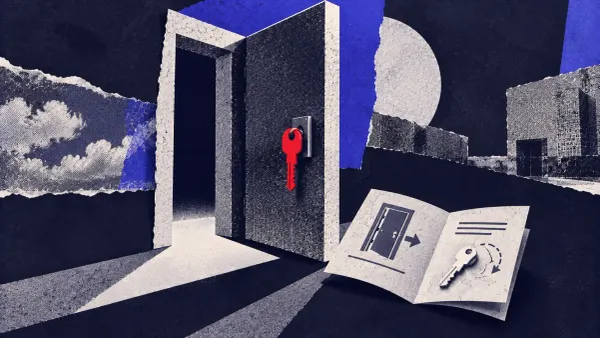
The most dangerous threat is the one that already has the keys. This incident is a textbook study in insider threat data exfiltration, proving that five months of silent activity is often the result of "blind spots" in internal access governance.
Signal 03 — Geopolitical Fallout
Because Coupang is U.S.-listed but South Korea-based, the breach is a test case for nation-state cyber diplomacy. With security talks regarding North Korean intelligence now delayed over Coupang-related travel bans on executives, it is clear that digital negligence now has immediate kinetic consequences for national security.