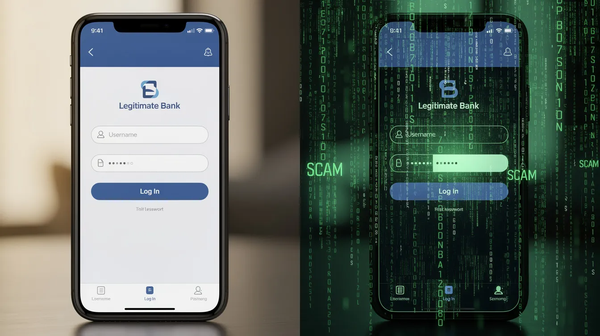
What Is Social Engineering? The Psychology Behind Cyber Attacks


Social engineering is one of the most dangerous and persistent threats in cybersecurity. Social engineering is the term used for a broad range of malicious activities accomplished through human interactions. It relies on psychological manipulation rather than technical vulnerabilities to deceive victims. This guide is for individuals and organizations seeking to understand and defend against social engineering attacks. Understanding social engineering is critical because it targets human vulnerabilities, which are often the weakest link in cybersecurity.
There are multiple types of social engineering, each exploiting different aspects of human psychology to deceive individuals and achieve the attacker's goals.
While many cybersecurity technologies focus on protecting operating systems, social engineering attacks manipulate human psychology to bypass technical security measures, often aiming to gain system access without technical hacking. By understanding how social engineering attacks happen, organizations and individuals can move beyond simple security practices to a more robust defensive posture.
Summary: What Is Social Engineering, Why Is It Dangerous, and How Can It Be Prevented?
Social engineering is the term used for a broad range of malicious activities accomplished through human interactions. It involves psychological tactics to manipulate people into revealing sensitive information, which is often crucial for gaining system access or committing identity theft. Social engineering is particularly dangerous because it exploits human vulnerabilities — often the weakest link in cybersecurity — rather than relying on technical flaws.
Understanding social engineering tactics is crucial for recognizing and thwarting these attacks. Prevention requires a combination of:
- Security awareness training to educate individuals about manipulation techniques,
- Strong access control policies such as multi-factor authentication and zero trust,
- Deployment of cybersecurity technologies like spam filters and secure email gateways.
By staying informed and vigilant, both individuals and organizations can significantly reduce their risk of falling victim to social engineering attacks.
Introduction to Social Engineering
Social engineering represents one of the most persistent threats in today's cybersecurity landscape, leveraging psychological manipulation rather than technical exploits to compromise organizational security. Social engineering involves psychological tactics to manipulate people into revealing sensitive information, crucial for system access or identity theft. These attacks succeed by convincing users to reveal sensitive information or make security mistakesthrough carefully crafted deception campaigns. Cybercriminals deploy sophisticated social engineering tacticsincluding pretexting scenarios, strategic baiting operations, and quid pro quo arrangements to establish trust with their intended victims, ultimately manipulating targets into actions that compromise security protocols.
The modern threat landscape showcases social engineering through various attack vectors, with phishing campaigns, targeted spear phishing operations, and sophisticated business email compromise schemes dominating incident reports across industries. Security researchers consistently observe that attackers' primary objectives center on achieving unauthorized access to critical computer systems, harvesting valuable login credentials and financial information, or deploying malicious software within enterprise networks. When organizations fall victim to these schemes and employees inadvertently divulge sensitive data, the resulting damage spans from identity theft and substantial financial losses to long-term reputational harm affecting both individual careers and corporate standing.

Successful social engineering attacks continue to challenge cybersecurity professionals because they exploit fundamental human psychology — our natural inclinations to trust authority figures, respond to urgent requests, and make rapid decisions under perceived pressure. Current industry best practices emphasize comprehensive security awareness training programs, mandatory multi-factor authentication implementations, and robust access control policies as essential defensive measures. Organizations that invest in educating employees about how attackers systematically trick users while establishing clear protocols for recognizing manipulation attempts significantly reduce their exposure to security mistakes and strengthen protection around their most critical information assets.
The Core of Social Engineering: Psychological Manipulation
At its heart, social engineering is "human hacking." It involves psychological manipulation to trick users into making security mistakes or divulging confidential information. The effectiveness of social engineering lies in its ability to exploit human emotions such as fear, curiosity, or empathy.
Social engineering attacks are typically multi-step processes that require careful planning and execution by the attacker. They often follow a specific social engineering lifecycle:
- Investigation: The perpetrator researches the intended victim to gather necessary background information, such as phone records or details from a social networking site.
- Hook: The attacker engages the victim, often using a false promise or creating a sense of urgency.
- Play: The attacker uses social engineering tactics to gain control and expand the foothold.
- Exit: The attacker removes traces of the malicious code or interaction after the sensitive data has been acquired.
Common Social Engineering Targets
Who Are the Primary Targets?
Certain groups are more frequently targeted by social engineering because these attacks are accomplished through human interactions and psychological tactics that exploit access to valuable information. Attackers focus on individuals or roles that can provide the greatest return for their efforts.
Social engineering attacks continue to evolve in sophistication, yet threat actors consistently focus their efforts on specific high-value demographics. Security researchers have identified that:
- Employees with privileged access to sensitive information
- High-net-worth individuals
- Small business operators
These groups face disproportionate targeting due to their access pathways to login credentials, financial information, and confidential business data that represent significant value on underground markets.
How Attackers Select and Manipulate Victims
The methodology behind these campaigns reveals a calculated approach to victim selection and manipulation. Cybercriminals leverage psychological triggers — manufacturing artificial time pressure, exploiting fundamental human emotions such as fear and curiosity — to compromise decision-making processes. These tactics frequently funnel targets toward fake websites and malicious links specifically engineered to harvest user credentials or deploy malicious software onto corporate and personal systems.
The Role of Social Networking Sites
Social networking sites have emerged as particularly fertile ground for reconnaissance and initial compromise vectors. Threat actors establish convincing fake personas and deploy sophisticated phishing attempts designed to extract sensitive details or distribute payload-laden files. The inherent culture of information sharing across these platforms creates an intelligence goldmine, enabling attackers to craft highly personalized and credible social engineering campaigns.
Defense Strategies for High-Risk Groups
Defense strategies must incorporate both technological safeguards and human awareness components to effectively counter these threats. Organizations should prioritize deployment of spam filters, secure email gateways, and comprehensive cybersecurity technologies while simultaneously building security awareness around attacker methodologies and target selection patterns.
Understanding the threat landscape — particularly recognizing which demographics face elevated risk — remains fundamental to protecting sensitive information and reducing organizational exposure to social engineering attacks.
To better defend against these threats, it is essential to understand the specific tactics and techniques attackers use to manipulate their targets. The next section outlines the most common social engineering tactics and how they operate.
Common Social Engineering Tactics and Techniques
Social engineering attacks can take many forms and can be performed anywhere where human interaction is involved, whether in the physical world or the digital realm. Below are the most common tactics used by attackers:
Phishing Emails and Campaigns
Phishing attacks are digital or voice messages that try to manipulate recipients into sharing sensitive information, downloading malicious software, or transferring money. Most social engineering attacks predominantly occur through various forms of phishing campaigns. These may include:
- Phishing Scams: Mass emails sent to potential victims hoping someone clicks a malicious link.
- Search Engine Phishing: Using fake websites and SEO tactics to lure users to malicious sites.
- Business Email Compromise: A high-level attack where scammers impersonate executives to gain access to corporate funds.
Spear Phishing: The Targeted Threat
A spear phishing attack is a targeted version of phishing that tailors messages based on specific characteristics of the victim. Spear phishing targets a specific individual, typically one with privileged access to user credentials or corporate funds.
Baiting and Physical Media
Baiting lures victims into giving up sensitive information or downloading malicious code by tempting them with a valuable offer or object. In the physical world, this might involve leaving a malware infected application on a USB drive in a public place, hoping a victim plugs it into their work or home computer.
Quid Pro Quo: Something for Something
Quid pro quo scams involve hackers offering a service in exchange for sensitive information. A common example is an attacker posing as technical support, offering to "fix" a computer system in exchange for the user’s login credentials.
Pretexting and Scareware
Pretexting involves creating a fake situation or “pretext” to gain the victim’s trust and obtain sensitive information. Attackers may impersonate authority figures to convince victims to grant access to the victim's computer or device as part of the scam.
Similarly, scareware uses fictitious threats and fear to manipulate victims into revealing sensitive information or downloading deception software, such as rogue scanner software that claims to find viruses on the victim’s computer. Scareware often tricks victims into installing software that is either malicious or fake, usually providing no real benefit and potentially infecting the system or stealing information.
A well-known example of a social engineering attack that appeals to greed is the Nigerian Prince scam.
Technical Exploits and Human Error
What makes social engineering especially dangerous is that it relies on human error, rather than vulnerabilities in software. During the reconnaissance phase, attackers may look for weak security protocols to identify vulnerabilities they can exploit. By making security mistakes, users often break security practices that are meant to protect the computer system.
Attackers may use a text message (smishing) or phishing emails to encourage users to visit malicious websites. Once there, the user might be tricked into providing credit card details or financial information, leading to identity theft. In more advanced cases, a watering hole attack involves injecting malicious code into a legitimate web page frequented by the target to gain control of their system.
Defense: Security Awareness Training and Protocols
Understanding social engineering tactics is crucial for recognizing and thwarting attacks. Staying informed and cautious is your first line of defense.

Access Control Policies
Implementing strict access control policies can limit a cybercriminal's ability to acquire sensitive information. This includes:
- Multi Factor Authentication (MFA): Adding an extra layer to an account's protection.
- Zero Trust: Never assuming a user is safe, even inside the network.
Cybersecurity Technologies
While social engineering targets people, technology can help. Spam filters and secure email gateways can prevent many phishing attempts from reaching employees. Keeping operating systems updated closes the technical vulnerabilities that attackers exploit after a successful social engineering attack.
Awareness Training
Security awareness training can help employees understand how to protect their sensitive data. Through regular awareness training, staff learn to spot a malicious file and understand the human psychology used by social engineering scammers.
Frequently Asked Questions (FAQ)
What is the "human element" in cybersecurity?
The human element refers to the human interaction and psychology that attackers exploit. Because people are susceptible to emotions like fear or curiosity, they are often the "weakest link" compared to technical security practices.
How do I recognize a spear phishing attack?
Unlike general phishing scams, a spear phishing message will contain specific details about you, your job, or your colleagues. If a message asks for confidential data or remote access and creates extreme urgency, it is likely a scam.
What is tailgating in social engineering?
Tailgating, also known as piggybacking, involves an unauthorized person following an authorized person into a restricted area. It is a physical social engineering technique used to gain access to secure facilities.
Can spam filters stop all social engineering?
No. While spam filters catch many mass phishing emails, they may miss highly targeted spear phishing or business email compromise attempts. Being alert is necessary to protect against attacks in the digital realm.
What is vishing?
Voice phishing, or vishing, is phishing conducted through phone calls. Social engineering scammers often impersonate government agencies to threaten victims into revealing sensitive information.
What should I do if I think I've been targeted?
If you suspect you have been a victim, immediately change your login credentials, report the incident to your IT department, and monitor your financial information for signs of identity theft.