What Is Multi-Factor Authentication (MFA) and Why It Matters

Introduction
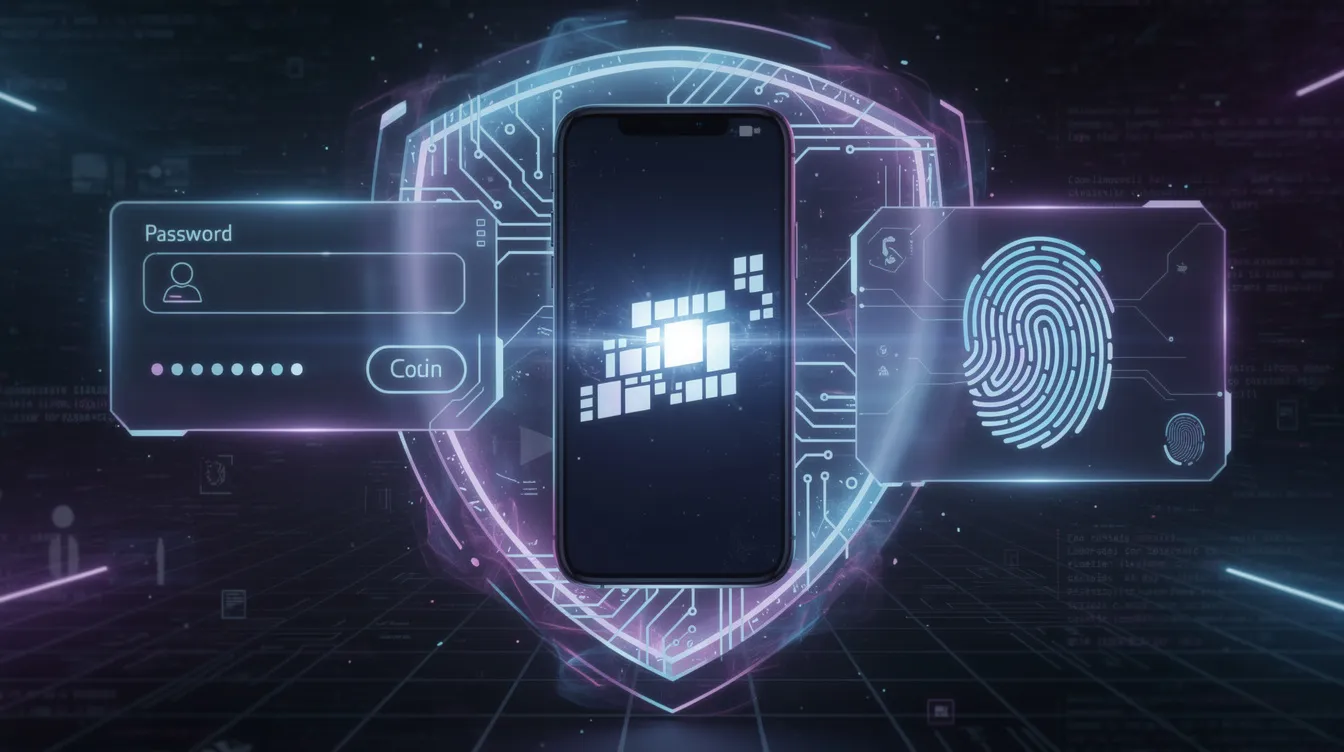
Multi factor authentication (MFA) is a critical security measure in today’s cybersecurity landscape, where cyber threats are constantly evolving and targeting both individuals and organizations. Understanding multi factor authentication is essential for IT professionals, business leaders, and general users who are responsible for safeguarding online accounts, corporate networks, or personal data. In an era where password-based security is no longer sufficient, MFA significantly reduces the risk of unauthorized access and data breaches.
This comprehensive guide will cover the following aspects of multi factor authentication:
- What multi factor authentication is and why it matters
- The different types of authentication factors (knowledge, possession, inherent)
- How MFA works and the technologies behind it
- Common authentication methods used in MFA
- The role of adaptive authentication and artificial intelligence in modern security
- The benefits, challenges, and future of MFA
- Frequently asked questions about MFA
Multi-factor authentication (MFA) is an electronic authentication method that requires users to present two or more distinct types of evidence to gain access to a resource.
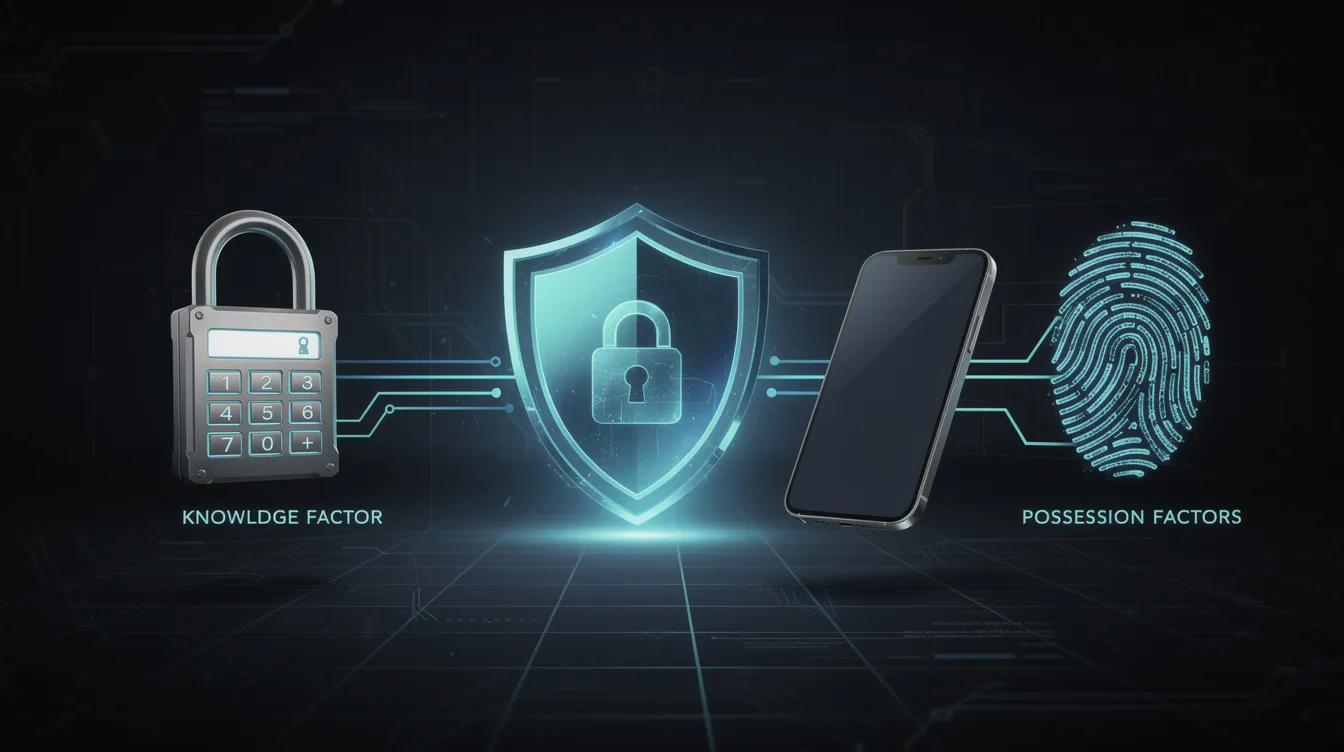
These types of evidence, known as authentication factors, include:
- Knowledge factors: Pieces of information that only the user should know, such as passwords or answers to security questions.
- Possession factors: Items that the user owns, such as a mobile phone or a hardware token, used to verify identity.
- Inherent factors: Unique characteristics of the user, typically involving biometric methods like fingerprints or facial recognition.
By requiring multiple authentication factors, MFA makes it much harder for unauthorized users to gain access, even if one credential is compromised.
Now that we’ve introduced the basics of multi factor authentication and its importance, let’s take a closer look at the different types of authentication factors and how MFA leverages them.
Multi Factor Authentication and Authentication Factors
Types of Authentication Factors
Authentication factors in MFA include:
- Knowledge factors: These are pieces of information that only the user should know, such as passwords, PINs, or answers to security questions.
- Possession factors: These are items that the user owns, such as a mobile device, physical token, hardware security key, or software token used to generate authentication codes.
- Inherent factors: These are unique to the user, typically involving biometric methods like fingerprint scans or facial recognition.
Knowledge factors are pieces of information that only the user should know, such as passwords or answers to security questions.
Possession factors are items that the user owns, such as a mobile phone or a hardware token, used to verify identity.
Inherent factors are unique to the user, typically involving biometric methods like fingerprints or facial recognition.
How MFA Works
Multi factor authentication works by requiring users to provide multiple verification methods from different categories to confirm their identity. MFA systems verify a user's identity by requiring evidence from at least two different categories of authentication. This approach ensures that access cannot be granted based on a single credential, such as a password.
For example, a user might enter a password (knowledge factor) and then provide a code sent to their mobile device (possession factor), or use a fingerprint scan (inherent factor) in addition to a password. Even if attackers compromise a password, they still cannot gain access without the additional factor required by the authentication system.
MFA requires users to provide credentials from at least two different categories:
- Something you know (knowledge)
- Something you have (possession)
- Something you are (inherent)
True MFA requires at least two different types of factors to verify the user's identity and ensure secure access to sensitive systems, accounts, or data.
Now that we’ve defined the core authentication factors and how MFA leverages them, let’s explore the specific authentication methods organizations use to implement MFA.
Authentication Methods Used in MFA
Modern authentication methods rely on a wide range of technologies to verify identity and protect accounts. Organizations can choose from many MFA authentication methods depending on their security requirements, infrastructure, and user experience goals.
SMS and Authenticator Apps
Common MFA methods include:
- One-time passcodes delivered through SMS text messages
- Authentication codes generated by an authenticator app (such as Google Authenticator or Microsoft Authenticator)
- Push notifications sent to a user’s mobile device
Many MFA-enabled systems use mobile phones for authentication, leveraging SMS, push notifications, or authenticator apps due to their convenience and widespread availability. Authenticator apps are widely considered more secure than SMS-based codes because they generate codes locally on the user’s phone rather than transmitting them through cellular networks. These apps also support offline authentication, making them a reliable option for many organizations implementing MFA.
Hardware Security Keys
- Hardware-based security keys: Physical devices that users plug into their computers or connect via NFC or Bluetooth to verify their identity. These keys use cryptographic protocols to provide strong, phishing-resistant authentication.
Biometric Authentication
- Biometric authentication methods: These include fingerprint scans, facial recognition, or other biometric technologies. As inherent factors, biometrics provide an additional layer of identity verification and are particularly useful in mobile environments where biometric sensors are integrated into devices.
As authentication methods evolve, organizations are increasingly turning to adaptive authentication to further enhance security.
Adaptive Authentication and Risk-Based Security
As authentication systems evolve, many organizations are implementing adaptive authentication to improve security while reducing friction for legitimate users. Adaptive authentication dynamically adjusts the level of security required during the login process based on contextual information about the user and the login attempt.
For example, adaptive multi factor authentication may analyze a user's device, geographic location, login history, and behavioral patterns before granting access. If a login attempt appears normal — such as a user logging in from their usual device and location — the system may allow access with fewer authentication steps. However, if a login attempt appears suspicious, the system can require additional authentication factors before granting access.
Many adaptive MFA systems rely on artificial intelligence and machine learning to analyze login patterns and identify suspicious activity. AI algorithms can assign risk scores to login attempts and adjust authentication requirements in real time. This approach allows organizations to implement stronger security controls while maintaining a smooth user experience.
Adaptive authentication technologies are increasingly used in financial services, enterprise security platforms, and cloud environments to help organizations detect fraud, prevent unauthorized access, and improve overall identity protection.
With adaptive authentication setting new standards for security, artificial intelligence is now playing a transformative role in the evolution of MFA.
Artificial Intelligence in MFA
Artificial intelligence has emerged as a game-changer in multi-factor authentication, fundamentally reshaping how organizations approach access security in an era of relentless cyber threats. Security teams are increasingly deploying AI-enhanced MFA systems to combat sophisticated attack vectors while maintaining usability — a balance that traditional authentication methods have struggled to achieve.
Real-Time Risk Evaluation
The most compelling capability of AI-powered multi-factor authentication lies in its real-time risk evaluation during login attempts. These systems continuously analyze multiple data streams — user behavior patterns, device fingerprinting, geolocation data, and historical access records — to calculate threat probability for each authentication request. When anomalies surface, such as access attempts from previously unseen devices or geographic locations that deviate from established patterns, the system dynamically escalates security requirements. This might trigger biometric verification or push a time-sensitive code to a registered mobile device, ensuring legitimate access even when primary credentials have been compromised.
Behavioral Biometrics
Current AI-enhanced MFA implementations include several sophisticated approaches:
- Behavioral biometrics: Analyze unique user interaction patterns such as keystroke dynamics and mouse movement characteristics.
- Risk-based authentication engines: Adjust security requirements based on calculated threat scores.
- Adaptive authentication frameworks: Modify the verification process based on contextual factors and user behavior analysis.
AI-driven MFA solutions excel at detecting and neutralizing phishing campaigns and credential harvesting attempts in real time. By establishing baseline behavioral profiles for each user, these systems can identify subtle deviations that suggest account takeover attempts.
User Experience Optimization
From a usability perspective, machine learning algorithms optimize the authentication experience by learning from user patterns and environmental context. These systems recognize when users authenticate from trusted environments and can intelligently reduce friction for low-risk scenarios. A user who consistently accesses systems from the same corporate network and device may encounter streamlined authentication flows, while the system maintains robust security through continuous behavioral monitoring and adaptive risk assessment.
Organizations implementing AI-powered multi-factor authentication report significant improvements across multiple security metrics: enhanced protection against account takeover attempts and social engineering attacks, reduced authentication friction for legitimate users, and improved compliance with evolving data protection requirements.
As AI and adaptive technologies strengthen MFA, it’s important to understand how these systems fit into broader access management strategies for protecting sensitive accounts.
Access Management and Protecting Sensitive Accounts
Effective access management is essential for protecting sensitive accounts and preventing unauthorized users from gaining access to critical systems. Organizations implement multi factor authentication systems as part of broader access control strategies designed to secure applications, networks, and sensitive data.
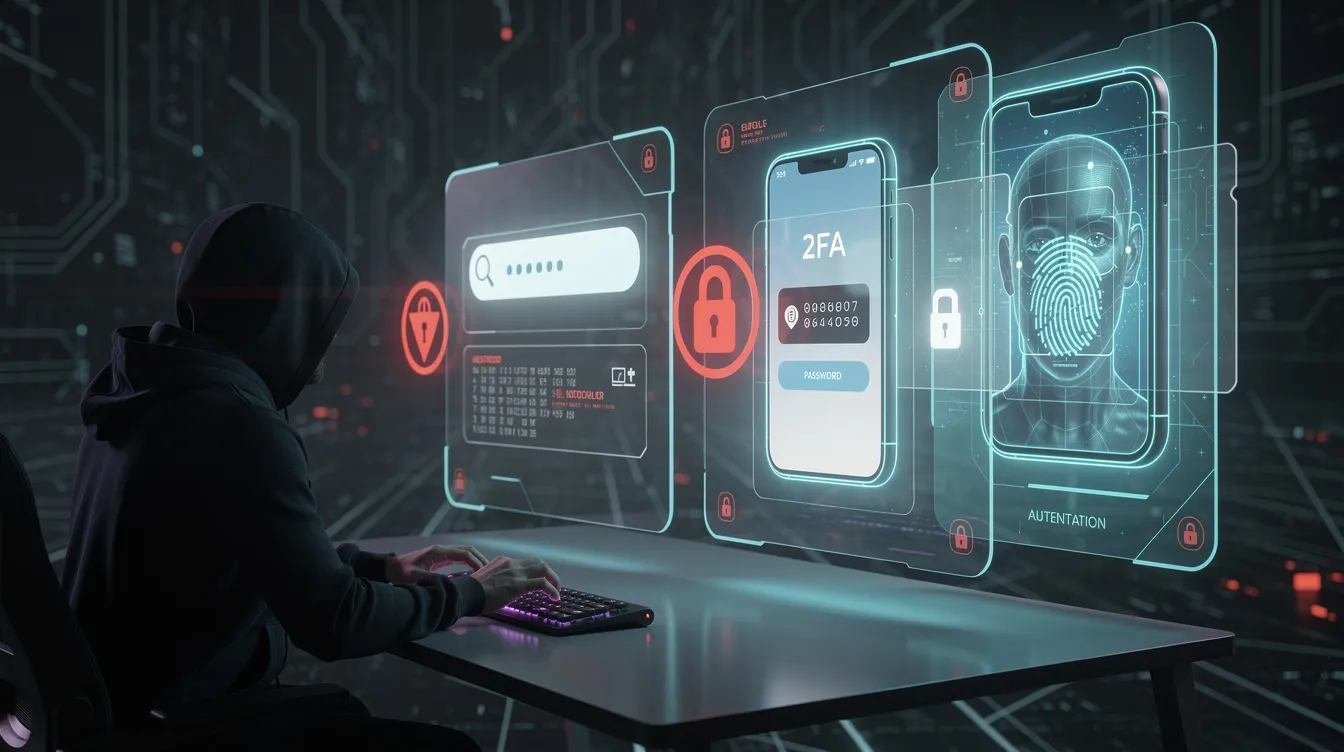
In many industries, MFA is required to meet compliance requirements for protecting sensitive information. For example, healthcare organizations increasingly rely on MFA to secure patient data and meet HIPAA regulations. Payment environments handling credit card data often require MFA to comply with PCI DSS standards. Cloud platforms also rely heavily on MFA to protect access to applications and data as organizations migrate systems to cloud services.
MFA also plays a critical role in securing remote access for employees working outside the corporate network. By requiring additional authentication factors before granting access, organizations can ensure that only verified users can connect to corporate systems and sensitive environments.
With a strong understanding of access management, let’s examine why multi factor authentication is so important in today’s threat landscape.
Why Multi Factor Authentication Matters
The growing importance of multi factor authentication is largely driven by the rise of phishing attacks, credential theft, and large-scale data breaches. Password-based security alone is no longer sufficient to protect modern digital infrastructure. MFA enhances security by requiring users to verify their identity using more than one factor, making it far more difficult for attackers to gain unauthorized access.
Research from Microsoft indicates that MFA can block 99.2% of account compromise attempts, demonstrating its effectiveness as a security control. Even if attackers obtain a password through phishing attacks or other methods, they cannot gain access without the second authentication factor.
By protecting accounts with multiple authentication factors, MFA helps organizations safeguard sensitive information, secure online interactions, and reduce the risk of cyber incidents. MFA also improves security monitoring because authentication systems can track user logs and authentication events to detect suspicious activity. Additionally, MFA systems can send alerts when suspicious login attempts are detected, improving security response by notifying security teams in real time.
Understanding the importance of MFA, let’s look at the specific benefits organizations gain by implementing these systems.
Benefits of Implementing MFA
Organizations that implement MFA benefit from stronger protection against cyber threats and improved trust in their digital platforms. MFA protects accounts from unauthorized users by requiring additional verification before access is granted. This extra layer of security helps reduce the risk of compromised credentials being used to access sensitive accounts.
MFA also helps organizations improve their security response capabilities. Many MFA systems generate alerts when suspicious login attempts occur, allowing security teams to respond quickly to potential threats. In addition, MFA can help organizations meet compliance requirements for data protection regulations and industry security standards.
Strong authentication practices can also provide a competitive advantage by increasing customer trust in an organization's security practices. When customers know that their data is protected by advanced authentication technologies, they are more likely to trust the organization with sensitive information.
Finally, MFA can help organizations save money by preventing costly cyberattacks and data breaches. Preventing even a single security incident can offset the costs associated with implementing MFA solutions.
While MFA offers significant benefits, it’s important to be aware of the challenges and limitations that organizations and users may encounter.
Challenges and Limitations of MFA
Despite its many benefits, multi factor authentication technology also presents certain challenges for organizations and users. Some users find entering authentication codes inconvenient or time-consuming, which can lead to resistance when organizations attempt to deploy MFA across large environments.
Lost devices can also create challenges. If a user loses their smartphone or physical token, they may be temporarily locked out of their accounts until access can be restored through account recovery procedures. Organizations must therefore implement backup authentication options and recovery processes to minimize productivity disruptions.
Another growing concern is MFA fatigue attacks, where attackers repeatedly send login requests to a user's device in the hope that the user will accidentally approve one. If users are not trained to recognize these attacks, they may inadvertently grant attackers access to their accounts.
Additionally, some MFA implementations can be vulnerable to phishing attacks or man-in-the-middle attacks if not properly configured. Organizations must ensure that MFA systems are deployed correctly and integrated with other security controls to maximize their effectiveness.
As the cybersecurity landscape continues to evolve, let’s explore the future of MFA and the shift toward passwordless authentication.
The Future of MFA and Passwordless Authentication
The future of authentication is increasingly moving toward passwordless systems that rely on biometric verification, cryptographic security keys, and behavioral analytics rather than traditional passwords. Passwordless authentication eliminates many of the weaknesses associated with password-based security by relying on possession factors and inherent factors instead of knowledge factors.
Many modern MFA systems are adopting passwordless authentication technologies that use public key cryptography to verify identity. These systems allow users to authenticate with biometrics or hardware security keys without needing to remember complex passwords.
As organizations continue expanding digital operations and cloud-based services, multi factor authentication systems will remain a critical component of modern cybersecurity strategies. By combining multiple authentication factors, organizations can protect sensitive information, secure online accounts, and defend against increasingly sophisticated cyber threats.
FAQ
What is multi factor authentication (MFA)?
Multi-factor authentication is a security method that requires users to provide two or more authentication factors to verify their identity before accessing an account or system.
What are the three types of authentication factors?
The three primary authentication factors are:
- Knowledge factors: Something you know, such as a password or answers to security questions.
- Possession factors: Something you have, such as a mobile phone or hardware token.
- Inherent factors: Something you are, such as a fingerprint or facial recognition.
How does MFA improve security?
MFA improves security by requiring multiple forms of identity verification. Even if a password is compromised, attackers cannot access the account without the second authentication factor.
What are common examples of MFA?
Common MFA methods include:
- Authenticator apps
- SMS authentication codes
- Hardware security keys
- Push notifications
- Biometric authentication such as fingerprint or facial recognition
What is adaptive multi factor authentication?
Adaptive MFA is a security approach that adjusts authentication requirements based on contextual factors such as user behavior, location, or device risk.
Why is MFA important for organizations?
MFA helps protect sensitive accounts, prevent unauthorized access, meet compliance requirements, and reduce the risk of data breaches caused by compromised credentials.