What Is a Data Breach? How Breaches Happen and How Organizations Respond

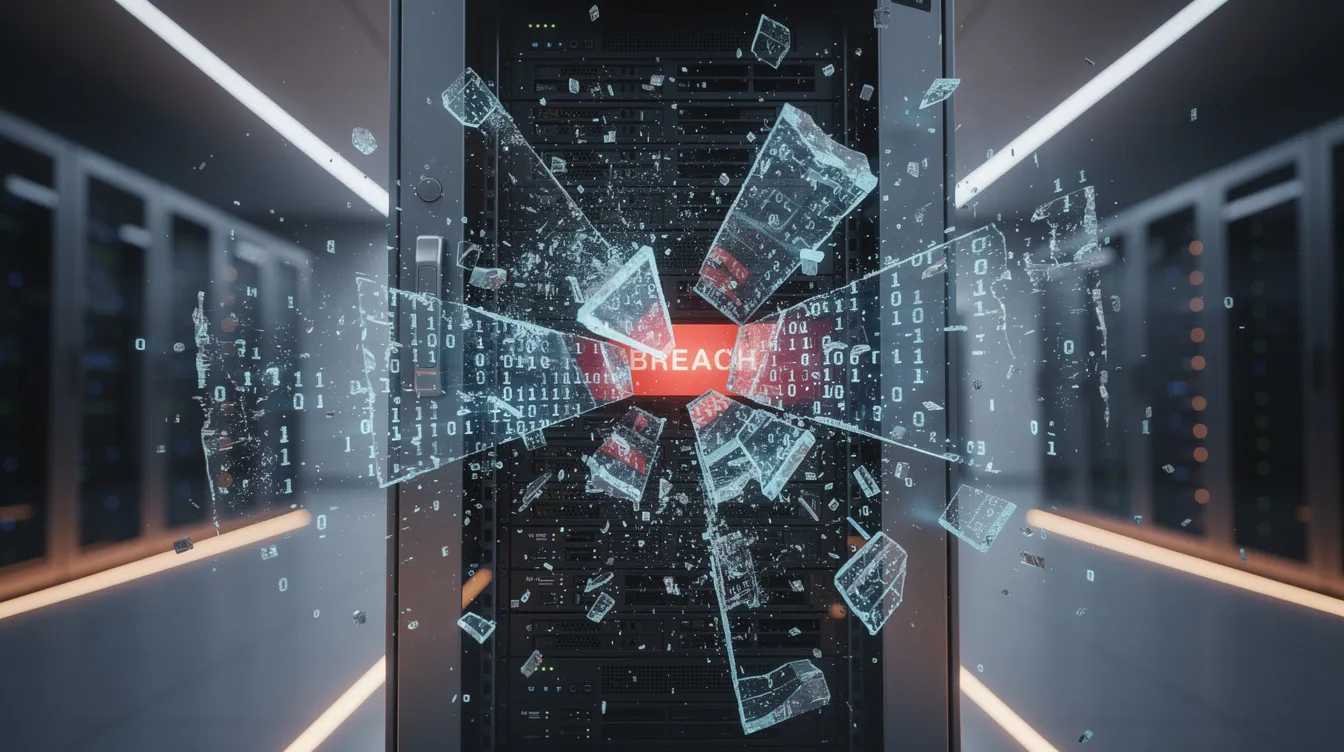
A data breach is any security incident in which unauthorized parties access sensitive or confidential information. Data breaches can occur due to accidental events or intentional actions to steal information. This guide explains what a data breach is, how breaches happen, their impact on organizations and individuals, and how to prevent and respond to them. It is intended for business leaders, IT professionals, and anyone concerned about data security, as understanding data breaches is critical to protecting sensitive information and maintaining trust.
The scope of this guide covers the definition of a data breach, common causes and attack vectors, the impacts on both organizations and individuals, prevention strategies, response protocols, notification laws, and real-world examples. Understanding data breaches matters because they pose significant financial, legal, and reputational risks. For organizations, the global average cost of a data breach is estimated at USD 4.44 million, while in the United States, that figure climbs to USD 10.22 million. Beyond the immediate financial loss, companies face long-term reputational damage and legal consequences. For individuals, data breaches can expose highly confidential information, leading to identity theft and financial fraud.
Definition and Scope of a Data Breach
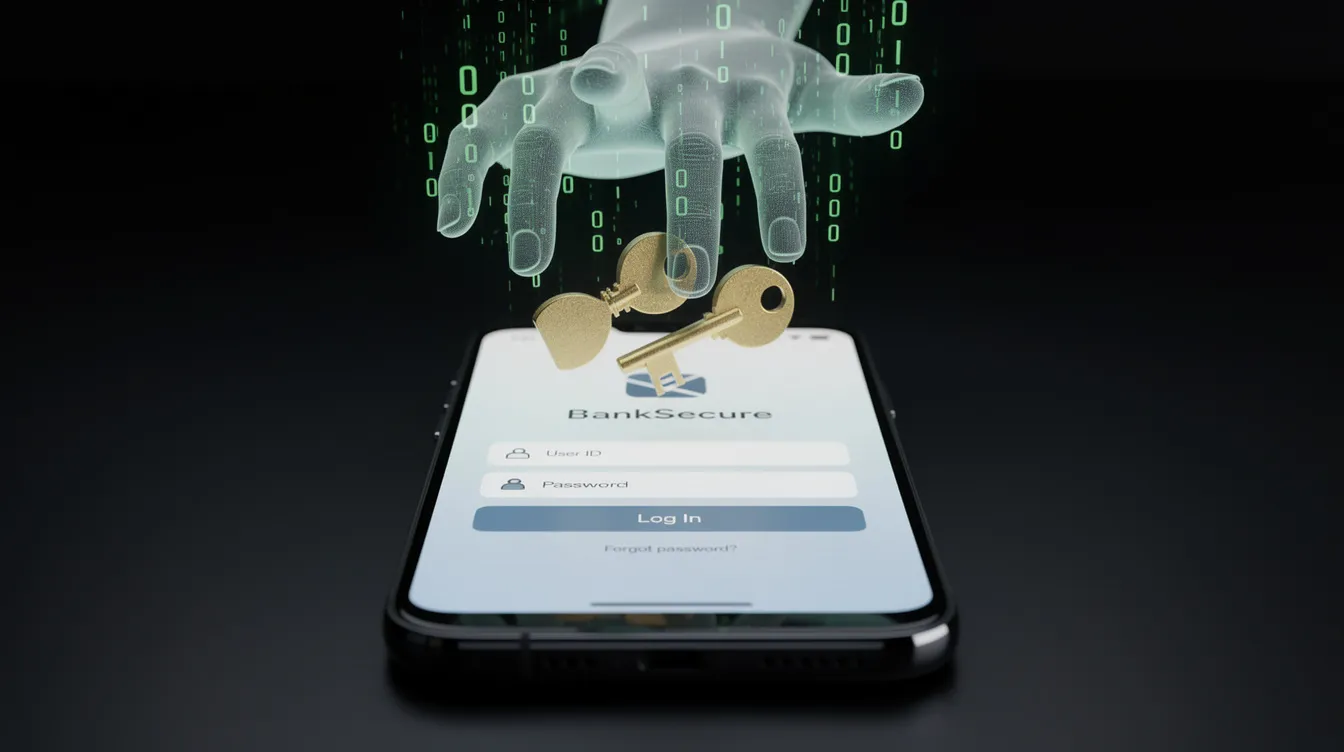
A data breach is any security incident in which unauthorized parties access sensitive or confidential information. These incidents can occur due to accidental events — such as an employee mistakenly emailing confidential information to the wrong person — or intentional actions designed to steal information, such as hacking or phishing attacks. The basic pattern of a data breach typically involves attackers targeting vulnerabilities, researching their victims, and executing planned attacks in a systematic manner.
How Data Breaches Happen: Common Attack Vectors
Understanding how cyber criminals gain unauthorized access is the first step in data breach prevention. Attackers use various attack vectors to exploit vulnerabilities in operating systems, applications, and human psychology.
Social Engineering and Phishing Attacks
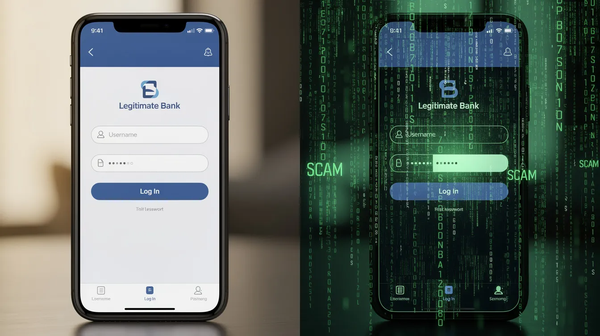
Human error remains the weakest link in data security, accounting for a significant portion of security breaches. Phishing scams are the most common type of social engineering attack, where malicious links sent via email or text messages trick employees into surrendering login credentials or user IDs.
Stolen Credentials and Weak Passwords
Stolen information or compromised login credentials are a primary way for malicious actors to gain access to corporate data. Often, weak passwords or the lack of multi-factor authentication allow hackers to easily penetrate computer systems.
Malicious Insider Threats
A malicious insider, such as a disgruntled or recently laid-off employee, can cause significant harm by intentionally leaking private data or intellectual property. Because these individuals already have access privileges, their actions can be difficult to detect.
Technical Exploits
Cybercriminals exploit weaknesses in operating systems and software through:
- Malware: Malicious software used to exploit vulnerabilities and steal sensitive data.
- SQL Injection: A method used to exploit database weaknesses and gain access to private data.
- Supply Chain Attacks: Exploiting vulnerabilities in a company's service providers to steal data, as seen in the 2020 SolarWinds breach involving state-sponsored hackers.
The High Cost of Compromised Information
When data breaches happen, they typically involve the theft of personally identifiable information (PII). PII refers to sensitive or confidential information that can be used to identify an individual. Data breaches typically involve the loss or theft of information such as bank account details, credit card numbers, personal health data, and login credentials.
Malicious actors often sell this stolen information on the dark web, where it is used for identity theft, illegal purchases, and emptying bank accounts. For businesses, the average breach results in USD 1.38 million in lost business and revenue alone. Data breaches can expose highly confidential information, leading to identity theftand financial fraud for individuals.
How Organizations Respond to a Data Breach Incident

When a data breach incident is identified, organizations must move quickly to secure their digital systems and fix vulnerabilities. The average time to identify and contain a data breach is over five months, making a rapid response critical.
1. Immediate Containment and Investigation
Organizations must assemble a team of experts — including legal counsel, forensics specialists, and IT security teams — to conduct a comprehensive investigation. It is vital to document your investigation and not destroy evidence during remediation.
2. Developing a Communications Plan
A comprehensive communications plan must be created to reach affected individuals, government agencies, and the media. Organizations should consult with law enforcement to ensure the data breach notice does not hamper an ongoing investigation.
3. Data Breach Notification Laws
All states, the District of Columbia, Puerto Rico, and the Virgin Islands have enacted legislation requiring notificationof security breaches involving personal information. These data breach notification laws require businesses and government entities to notify individuals when their PII is exposed.
- GDPR: Requires notification within 72 hours for breaches involving EU citizens.
- HIPAA: Requires the Department of Health and Human Services to be notified of breaches involving protected health information.
- CIRCIA: Requires critical infrastructure entities to report incidents to the Department of Homeland Securitywithin 72 hours.
Organizations may face fines and legal implications from data and privacy regulations like GDPR and CCPA after a data breach. Failure to follow all data breach notification laws can result in hefty fines.
Data Breach Prevention and Risk Mitigation
While no system is perfect, organizations can significantly reduce the risk of a data breach through proactive data protection strategies.
Employee Training
Training employees to recognize phishing attacks and social engineering can drastically reduce data leaks caused by human error. Implementing employee training programs can significantly reduce the risk of data breaches.
Access Management
Implementing access controls and the principle of least privilege ensures employees only gain access to data necessary for their roles. Using strong passwords and enabling multi-factor authentication can protect employee accounts from unauthorized access.
Encryption
Encrypting sensitive data protects private data even if unauthorized parties gain unauthorized access.
Incident Response Planning
Organizations must develop and test a well-thought-out, detailed, and documented incident response plan.
Zero-Trust Model
Adopting a zero-trust security model helps protect high value data by requiring continuous verification of every user and device.
Employee Training and Education
Why Employee Training Matters
Employee training remains the critical foundation for organizations building resilient defenses against data breachesin an increasingly hostile cyber environment. As threat actors deploy more sophisticated attack vectors targeting high-value datasets, security teams recognize that human factors often determine whether defensive measures succeed or fail.
Key Training Topics
Modern training initiatives go beyond basic awareness, equipping personnel with practical skills to detect emerging threats, implement proper data handling protocols, and navigate the complex regulatory requirements surrounding breach disclosure obligations. Effective security education programs must address the full spectrum of sensitive information assets, from payment card data and protected health information to proprietary intellectual propertyand personally identifiable information.
Building a Security-Aware Culture
Organizations face escalating risks from credential theft operations, data exfiltration campaigns, and underground marketplaces where stolen information commands premium prices. Training curricula that emphasize recognition of spear-phishing attempts, social engineering methodologies, and malicious payload delivery mechanisms enable employees to serve as active participants in threat detection rather than passive vulnerabilities in the security architecture.
Frequently Asked Questions (FAQ)
What is the difference between a data breach and a data leak?
A data breach is typically an intentional security incident where malicious actors steal data. A data leak is often an accidental exposure of sensitive information due to human error or unsecured devices.
How much does the average data breach cost?
The global average cost of a data breach is USD 4.44 million, but this varies by industry. For example, a healthcare data breach in 2025 averages USD 7.42 million, the highest of any sector.
What should I do if my personal information is stolen?
Affected individuals should monitor their bank accounts, change login credentials, and take advantage of free credit monitoring if offered by the affected businesses. You should report identity theft to the FTC.
What are some famous real-world data breaches?
Yahoo (2013)
- Impact: 3 billion user accounts affected.
- Key Details: One of the largest data breaches in history.
- Equifax (2017)
- Impact: 143 million Americans.
- Key Details: Exposed data due to an unpatched vulnerability.
- 23andMe (2023)
- Impact: 6.9 million users.
- Key Details: Hackers used a credential stuffing attack to steal sensitive genetic information.
- TJX Corporation (2007)
- Impact: 94 million customers.
- Key Details: Data breach resulted in over USD 256 million in losses.
- SolarWinds (2020)
- Impact: Multiple U.S. government agencies.
- Key Details: Supply chain attack allowed Russian hackers to access sensitive information.
- Colonial Pipeline (2021)
- Impact: Operations shut down, USD 4.4M ransom.
- Key Details: Ransomware attack forced company to halt operations and pay a ransom.