UK Companies House Breach Exposes Corporate Data

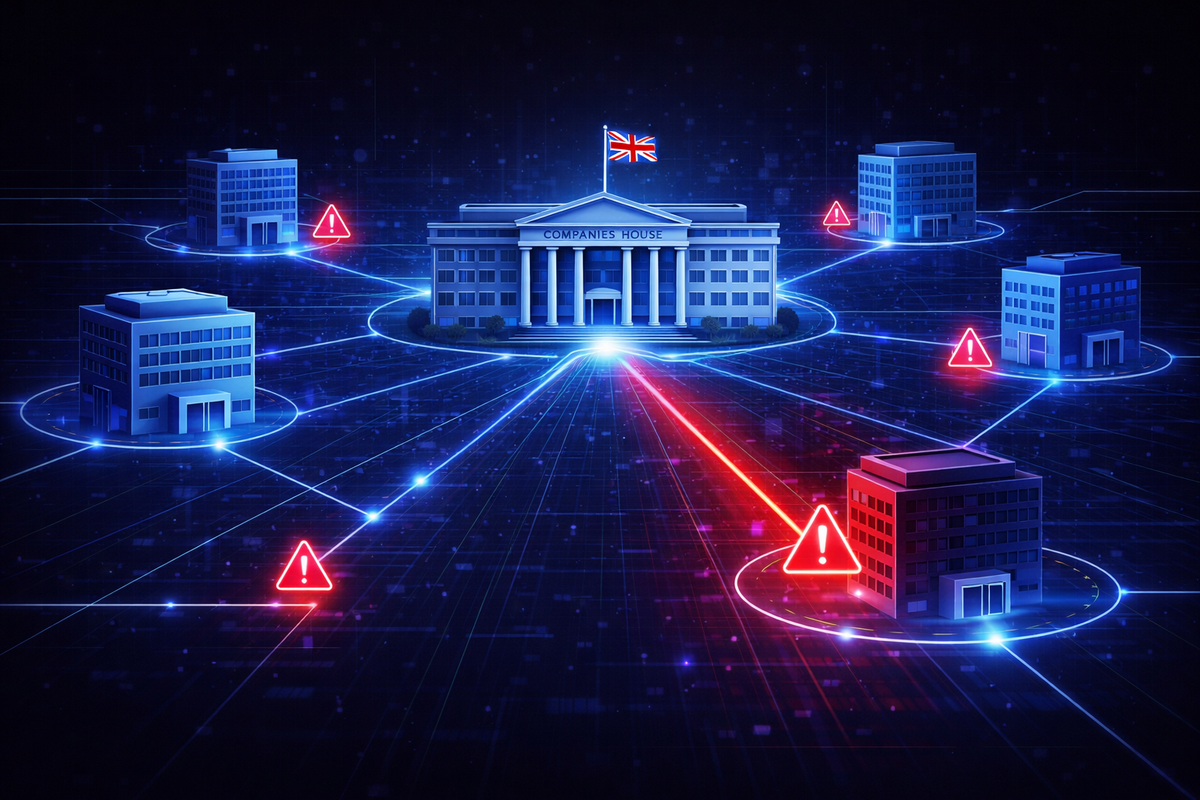
The UK’s Companies House has temporarily suspended parts of its online filing services following a security flaw that exposed sensitive company director information, raising concerns about data integrity and access controls within one of the country’s most critical public business registries.
A Vulnerability in the WebFiling System
According to official statements from UK Government and multiple cybersecurity reports, the issue stemmed from a vulnerability in the WebFiling service, a platform used by businesses to submit and update company records.
The flaw allowed unauthorized users to access and potentially alter certain company filings, including director details. While the system requires authentication, the vulnerability reportedly enabled access under specific conditions that bypassed expected safeguards.
The agency confirmed it acted quickly to suspend affected services and initiate an investigation, working with cybersecurity experts to assess the scope and impact of the issue.
Exposure of Director Information
Initial findings indicate that the breach may have exposed director-related data across a large number of UK-registered companies. This includes information typically available through filings, but in this case, it may have been accessed or modified in unintended ways.
Cybersecurity analysts noted that the risk was not limited to data exposure alone. The potential for unauthorized changes to official records — such as altering director information — introduces broader concerns around fraud, identity misuse, and corporate record manipulation.
Security researchers emphasized that even limited manipulation of official registries could be leveraged for:
- Fraudulent business filings
- Identity-based attacks
- Financial scams targeting companies or stakeholders
Services Suspended as Investigation Continues
In response, Companies House suspended its WebFiling service and restricted access to certain online functions while remediation efforts were underway.
In a public update, officials stated that:
- The vulnerability has been identified and addressed
- Additional monitoring and safeguards have been implemented
- Services are being restored in phases following security validation
The agency also noted it is working to identify affected entities and will contact those impacted if necessary.
Broader Cybersecurity Implications
The incident highlights ongoing challenges in securing national digital infrastructure, particularly platforms that serve as authoritative sources of business data.
Reporting from the BBC indicates the disruption affected businesses relying on the platform and raised concerns about the integrity and availability of official company records during the outage.
Experts point out that government-operated registries like Companies House represent high-value targets due to:
- The volume of sensitive corporate data
- Their role in validating business identities
- Their integration into financial and legal systems
A flaw in such systems can have cascading effects across the private sector, especially if attackers exploit vulnerabilities to gain unauthorized access or manipulate trusted records.
Regulatory and Industry Context
The breach comes amid increasing scrutiny of Companies House, which has undergone reforms aimed at improving transparency and preventing misuse of corporate structures for fraud and money laundering.
Cybersecurity professionals note that while many filings are publicly accessible by design, integrity and access control mechanisms are critical to ensure that data cannot be altered without proper authorization.
The incident also underscores a broader trend: attackers are increasingly targeting application logic flaws rather than traditional infrastructure vulnerabilities, exploiting weaknesses in how systems handle authentication, validation, and user input.
Lessons for Security Teams
While the investigation is ongoing, the breach reinforces several key cybersecurity priorities for organizations managing sensitive platforms:
- Secure access controls: Ensuring authentication mechanisms cannot be bypassed
- Input validation and authorization checks: Preventing unauthorized data modification
- Continuous monitoring: Detecting anomalous activity in real time
- Rapid incident response: Limiting exposure through swift containment
Security teams are also advised to review systems that interact with third-party registries, ensuring that any reliance on external data sources includes validation and integrity checks.
Ongoing Investigation
Authorities have not yet disclosed the full technical details of the vulnerability or the total number of potentially affected records. However, officials confirmed that the investigation remains active, and further updates will be provided as more information becomes available.
For now, the incident serves as a reminder that even well-established public systems remain vulnerable to modern cybersecurity threats, particularly as digital services expand in complexity and scale.