The Mythos Breakthrough: Anthropic AI Uncovers 271 Security Flaws in Firefox 150

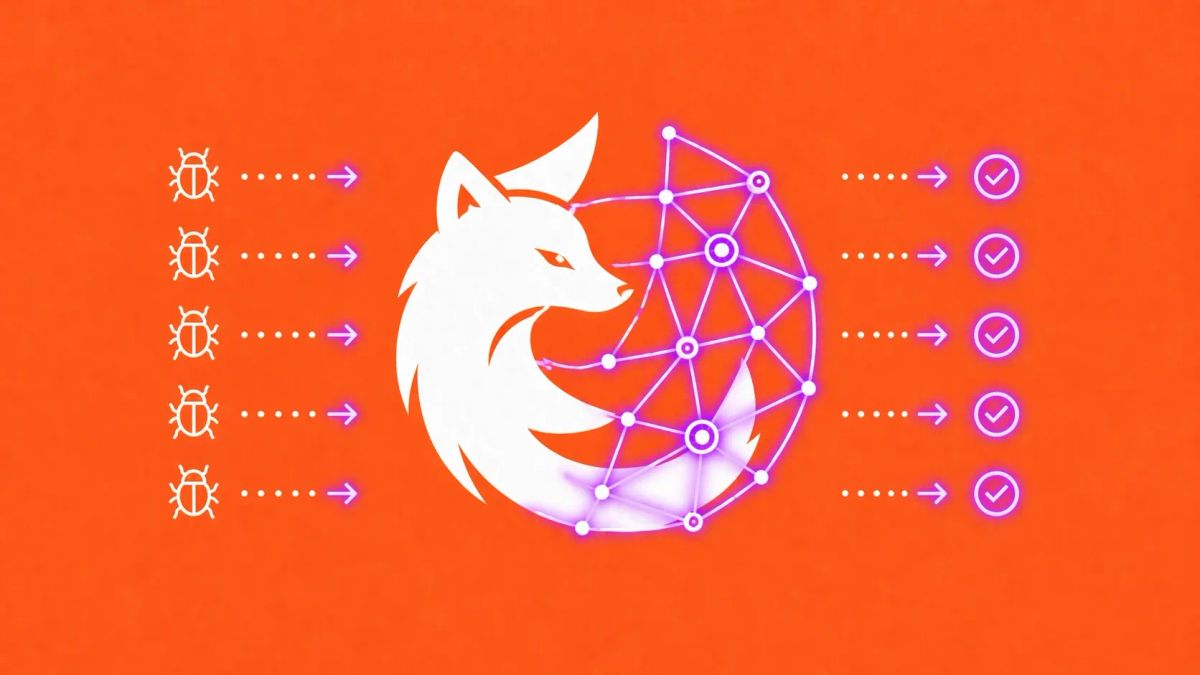
In a landmark moment for automated defense, Mozilla has patched 271 vulnerabilities in the latest version of Firefox — all identified by Anthropic’s specialized security model, Mythos.
Mountain View, CA — Mozilla has released Firefox 150, an update that may represent the single largest leap in automated browser hardening to date. Through a collaboration with Anthropic, Mozilla utilized Mythos — a specialized version of the Claude 3.5 family optimized for security research — to audit the browser’s massive codebase. The result was the discovery and remediation of 271 vulnerabilities, ranging from memory safety issues to complex logic flaws.
The scale of the disclosure has sent ripples through the cybersecurity community, with many experts hailing it as the definitive "proof of concept" for AI-led defensive research.
The Mechanism: Mythos and the Shift to "Defensive Dominance"
Unlike traditional "fuzzing" tools that randomly bombard software with data to find crashes, Mythos utilizes large language model (LLM) reasoning to perform semantic analysis of code. It looks for "impossible states" and edge cases that human researchers and automated scripts often miss.
According to technical briefs from Ars Technica and Wired, the collaboration highlights a significant shift in the "Security Arms Race":
- The "Zero-Day" Tsunami: Of the 271 bugs, a significant portion were previously unknown "Zero-Days." By using AI to find them first, Mozilla has effectively neutralized hundreds of potential exploit vectors before threat actors could find them.
- Cost-Efficiency: Mozilla’s CTO stated that Mythos demonstrated capabilities comparable to "elite security researchers," but at a speed and scale that would be financially impossible with a purely human team.
- The "271" Debate: While early reports suggested all 271 were critical zero-days, more nuanced analysis from Flying Penguin and Hacker News indicates a hierarchy of flaws, including 22 high-impact vulnerabilities and hundreds of lower-level memory management issues that collectively harden the browser’s "attack surface."
The Industry Response: A New Standard for "Secure by Design"
The success of the Mythos audit has prompted other software giants to re-evaluate their release cycles. The Register reports that this move marks the beginning of an era where software is not just "human-reviewed," but "AI-certified."
However, the disclosure also raises a critical concern: if a defensive AI can find 271 bugs in weeks, a malicious "Offensive AI" could do the same for unpatched legacy systems. This makes the speed of automated patching as critical as the speed of discovery.
The CyberSignal Analysis
Signal 01 — The End of Manual Bug Hunting
This incident is a definitive signal for software development. The Firefox 150 release confirms that manual code review is no longer sufficient for complex modern applications. The signal for 2026 is that AI will become a mandatory part of the CI/CD (Continuous Integration/Continuous Deployment) pipeline. To understand how automated defense is being integrated into broader cloud systems, see our deep dive on supply chain attacks.
Signal 02 — The AI-Assisted Exploit Gap
This is a high-fidelity signal for threat intelligence. While Mozilla used Mythos for good, the "Mythos mystery" — how 22 vulnerabilities were categorized alongside hundreds of others — shows that the interpretation of AI findings is still a human bottleneck. The signal is that organizations must prepare for a "Bug Bounty" crisis, as AI models begin generating massive volumes of vulnerability reports that security teams may struggle to validate and patch.
Signal 03 — Memory Safety as a Solved Problem?
By targeting the memory safety flaws inherent in C++, Mythos is accelerating the push toward memory-safe languages. The signal for 2026 is that if AI can automatically find and fix these legacy flaws, the "Technical Debt" of older codebases becomes a manageable security task rather than a permanent risk. The CyberSignal later covered the same AI-assisted bug hunting behind Chrome 151's 370-vulnerability release.