Ransomware: Definition, Attack Stages, and Prevention


Ransomware is one of the most feared cyber threats in the digital world. This malicious software is designed to block access to a computer system or files until a sum of money is paid. In this comprehensive guide, we will cover the definition of ransomware, the different types of ransomware, the six stages of a ransomware attack, prevention strategies, and effective response steps. This article is intended for businesses, IT professionals, and general readers who want to understand how ransomware works, how to protect against it, and what to do if an attack occurs. Understanding ransomware is crucial because these attacks can halt business operations, compromise sensitive data, and cause significant financial and reputational damage.
Ransomware attacks usually take place in six stages. By learning about each stage and the various forms ransomware can take, you can better defend your organization or personal devices against these evolving threats.
The roots of ransomware attacks trace back to the AIDS Trojan (or PC Cyborg) in 1989, but the introduction of cryptocurrency in 2009 provided ransomware attackers with a way to receive untraceable ransom payments, driving a global surge in activity.
Today, ransomware incidents have increased significantly across all sectors. The IBM Cost of a Data Breach Reportestimates the average cost of a ransomware breach to be USD 5.68 million, excluding the actual ransom payment. For ransomware victims, the impact includes stopped production, locked databases, and eroded consumer trust.
Types of Ransomware: From Lockers to Crypto
There are several different types of ransomware, including scareware, screen lockers, and encrypting ransomware. Ransomware can be categorized into two general types: encrypting ransomware and non-encrypting ransomware.
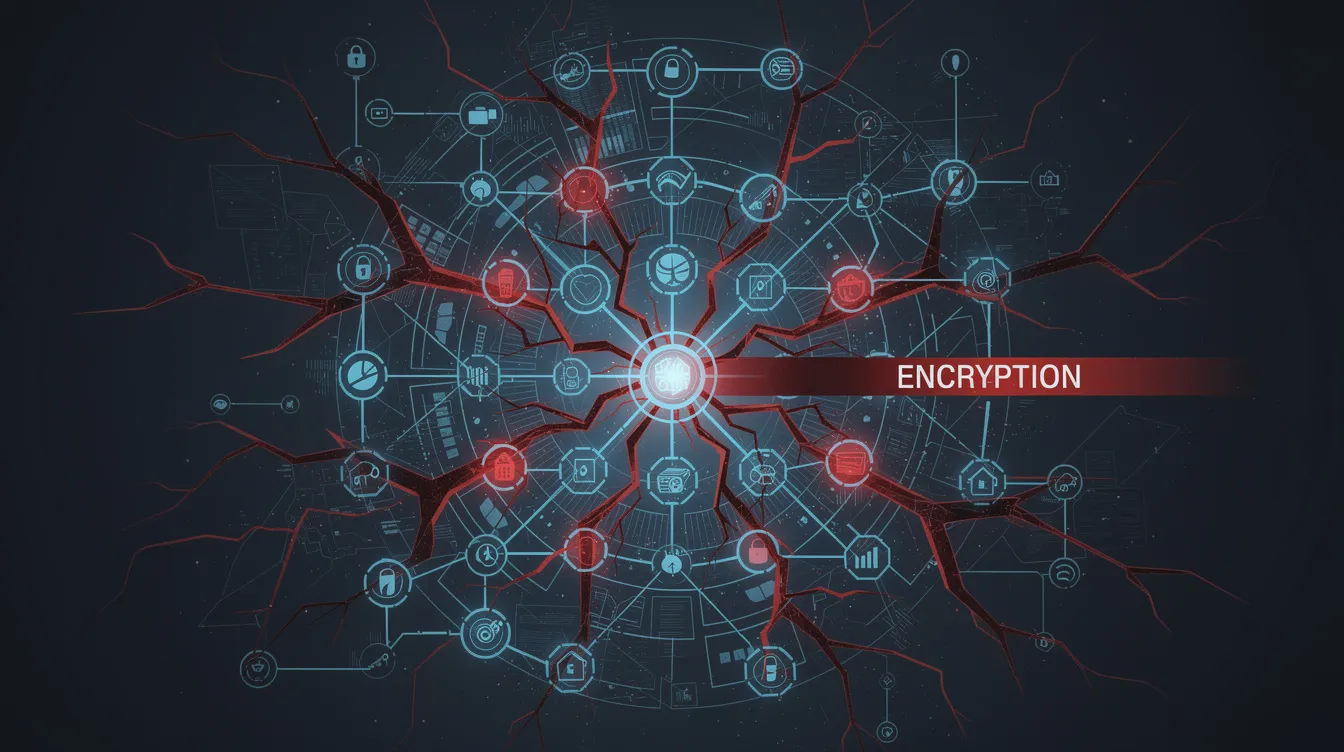
- Encrypting Ransomware: Encrypting ransomware uses advanced encryption algorithms to lock the victim's data, demanding a ransom for the decryption key.
- Non-Encrypting Ransomware: Non-encrypting ransomware does not use encryption but instead locks users out of their systems or threatens to expose sensitive data.
Below are the main types of ransomware, each with a brief definition:
- Scareware: Scareware is a type of malware that uses social engineering to manipulate victims into purchasing unnecessary software by instilling fear.
- Screen Lockers (Locker Ransomware): Screen lockers lock the victim's computer screen and demand payment before access is restored.
- Encrypting Ransomware (Crypto Ransomware): Encrypting ransomware uses advanced encryption algorithms to lock the victim's data, demanding a ransom for the decryption key.
- Mobile Ransomware: Typically delivered through malicious apps, mobile ransomware locks mobile devices and demands a fee to unlock them.
- Leakware or Doxware: Leakware or doxware is a type of ransomware that steals sensitive data and threatens to publish it unless a ransom is paid.
How Ransomware Works: The Six Stages of Initial Infiltration
Ransomware attacks usually take place in six stages. Most ransomware attacks follow a set of common stages to ensure a successful ransomware infection. Here are the six stages, each with a clear definition:
- Reconnaissance Stage: The first stage of a ransomware attack is the reconnaissance stage. In this initial infiltration phase, attackers search and study potential targets to identify weaknesses in their attack surface.
- Infection Stage: The second stage begins when attackers access networks, often through phishing emailscontaining malicious attachments or malicious links. Attackers also exploit VPN vulnerabilities and the Remote Desktop Protocol (RDP) to deploy ransomware.
- Escalation Stage: In the escalation stage, attackers integrate ransomware into the system to gain deeper control and higher access privileges.
- Scanning Stage: During the scanning stage, attackers map and explore the network to spread the malware further, targeting Microsoft Office files and critical data.
- Encryption Stage: In the encryption stage, critical files and data are locked to deny user access. Using a public key, the software locks the victim's data, rendering it inaccessible without the corresponding private key.
- Ransom Stage: The final stage is the ransom stage. In the ransom stage, attackers deliver a ransom note demanding payment for restoring access to the encrypted data.
The Business of Crime: Ransomware as a Service (RaaS)
Modern cyber incidents are often powered by Ransomware as a Service (RaaS). This model allows ransomware operators to rent or purchase tools from ransomware developers. Prolific ransomware families like LockBit, Conti, and REvil (known for its double extortion ransomware tactics) have generated hundreds of millions in ransomware payments.

Notably, the WannaCry ransomware in 2017 attacked over 200,000 computers in 150 countries, highlighting the scale of these cyber threats. More recently, DarkSide gained notoriety for the attack on the Colonial Pipeline.
Prevent Ransomware Attacks: Best Practices
To prevent ransomware, organizations must implement a multi-layered security platform. Here are the most effective strategies:
- Multi Factor Authentication: Implement multi-factor authentication (MFA) and two factor authentication to significantly reduce the risk of credential theft.
- Phishing Emails Education: Train employees to spot malicious files and malicious websites. Employee education is the first line of ransomware prevention.
- Data Backups: Maintain regular, secure data backups. This allows businesses to restore access without needing a decryption key.
- Security Software: Use robust security software with real-time ransomware detection and antivirus detection to catch ransomware variants before they encrypt data.
- Patching: Keep the operating system and software updated to protect against attackers who exploit known vulnerabilities (CVEs).
Ransomware Removal and Response
If you face an active ransomware infection, move quickly to secure your systems and fix vulnerabilities.
Remove Ransomware
To remove ransomware, you may need to use specialized security software for ransomware removal. Some free decryptors exist for older ransomware strains, but they are not available for all ransomware variants.
Law Enforcement
Law enforcement agencies recommend that you never pay the ransom. Paying emboldens ransomware gangs and does not guarantee you will get your victim's files back. Organizations should report attacks to the FBI’s Internet Crime Complaint Center (IC3) immediately.
Frequently Asked Questions (FAQ)
How does ransomware affect businesses?
Ransomware can stop production, lock critical data, and cause prolonged downtime. This leads to massive financial losses and data theft.
What is double extortion?
Double extortion occurs when attackers encrypt data and also steal sensitive data. They threaten to leak it publicly if the ransom isn't paid.
Can ransomware be removed without paying?
In some cases, yes:
- If you have data backups, you can restore your system.
- If a decryption key has been released by security researchers, you may be able to recover your files. However, ransomware removal can be complex.
Is RDP a risk for ransomware?
Yes. Attackers frequently use the Remote Desktop Protocol as an initial infiltration point to gain network access and deploy ransomware.
What was the first ransomware?
The first documented case was the AIDS Trojan in 1989, which demanded payment via physical mail.