Nacogdoches Memorial Hospital Confirms Massive Data Breach Affecting 257,000 Patients

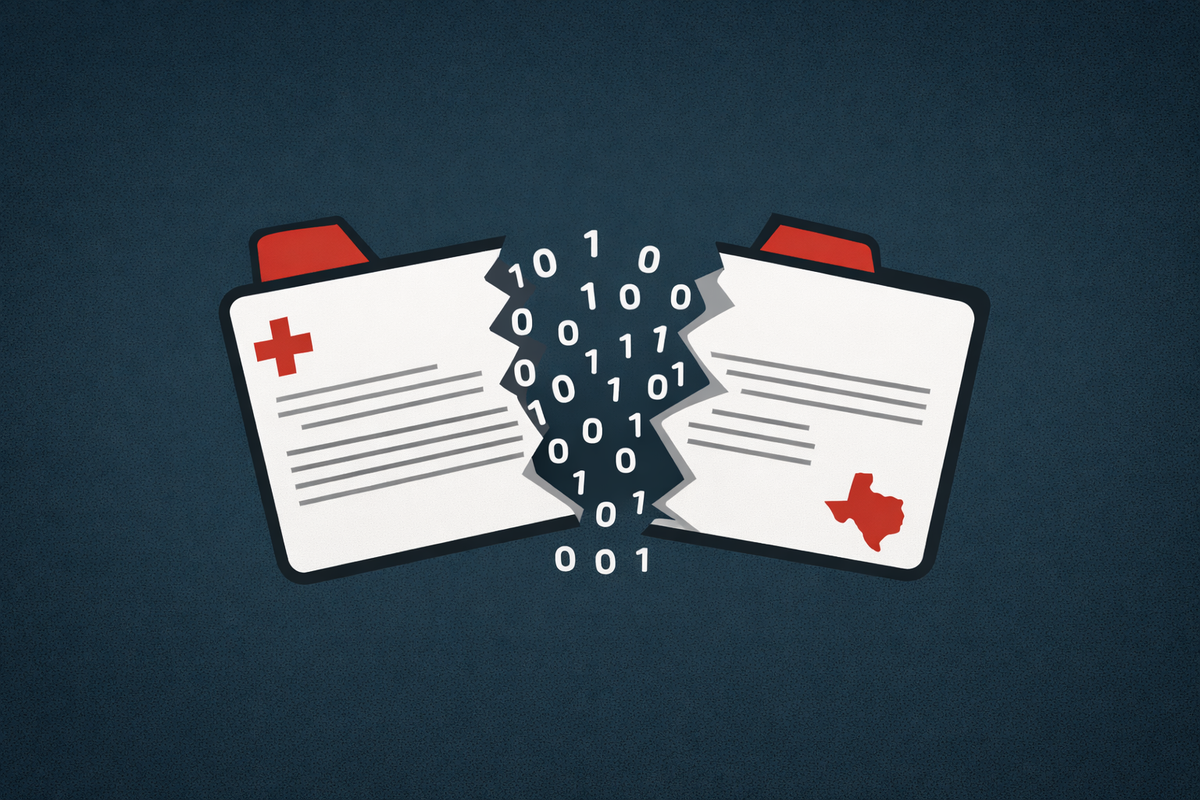
Nacogdoches Memorial Hospital (NMH) has begun notifying over 257,000 individuals following a major cybersecurity breach that compromised sensitive personal and medical information. The East Texas healthcare provider confirmed that unauthorized actors gained access to its network, potentially exfiltrating a vast repository of patient data spanning several months of activity.
Network Intrusion and Data Exfiltration
The breach was first identified after hospital IT staff detected "unusual activity" within the facility's internal servers. According to reports from HIPAA Journal and SecurityWeek, subsequent forensic investigations revealed that the unauthorized access occurred over a period of several weeks before being fully contained.
The compromised data is extensive, including names, dates of birth, addresses, Social Security numbers, and highly sensitive medical information such as diagnosis codes, treatment details, and health insurance information. Cybernews and SC Media report that the scale of the incident — affecting exactly 257,349 individuals — makes it one of the largest healthcare-specific data breaches in Texas this year.
Operational Impact and Patient Response
In public statements and filings with the Department of Health and Human Services (HHS), NMH officials clarified that while the breach involved data theft, hospital operations were not disrupted by ransomware or system lockouts. The facility has remained fully operational throughout the investigation and recovery process.
"The security of our patients' information is a top priority, and we deeply regret any concern this incident may cause," the hospital stated in its official notice. To mitigate potential identity theft, NMH is offering credit monitoring and identity restoration services to all impacted individuals. However, local outlets like The Daily Sentinel and KTRE report that residents remain concerned about the long-term implications of their permanent medical histories being available on the dark web.
Rising Pressures on Rural Healthcare
The attack on Nacogdoches Memorial highlights the systemic vulnerability of regional and community hospitals. Unlike large urban health systems with massive security budgets, regional facilities often manage a high volume of legacy data with fewer dedicated cybersecurity resources. HealthExec analysts suggest that these "mid-market" hospitals are increasingly targeted by sophisticated groups who view them as high-value, low-resistance targets for data exfiltration.
Primary Intel & Reports: HIPAA Journal, Cybernews, SecurityWeek, KTRE, SC Media
The CyberSignal Analysis
The Nacogdoches Memorial breach is a significant indicator of the "Data-First" Extortion Trend in the healthcare sector.
- Shift Away from Encryption: In this instance, the attackers prioritized "silent" exfiltration over "loud" ransomware. By staying undetected for weeks, they were able to drain a massive database without triggering the operational alarms associated with locking down systems. For CISOs, this underscores the need for User and Entity Behavior Analytics (UEBA) to detect anomalous data transfers before they reach a critical mass.
- The Longevity of Medical Data: Unlike a credit card number, which can be canceled, a Social Security number and a medical history are permanent. This "evergreen" data is used for long-term fraud, including medical identity theft, where attackers use a victim’s insurance to obtain expensive treatments or prescriptions.
- Operational Takeaway: Rural and regional hospitals must prioritize Data At-Rest Encryption and Network Segmentation. Even if an attacker gains entry to the administrative network, the "clinical" databases containing PHI should be isolated behind additional layers of authentication to prevent mass exfiltration.