LA Metro Probes Systems Breach Following Worldleaks Attack

The Los Angeles County Metropolitan Transportation Authority (Metro) restricted access to its internal computer systems late Saturday following the detection of unauthorized activity on its network. The proactive shutdown impacted employee workstations and administrative applications across the agency — a move intended to contain the threat while forensic investigators determine the scope of the intrusion.
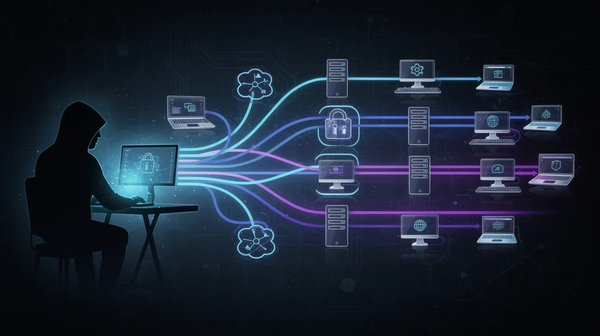
The disruption surfaced as the Worldleaks ransomware group added the City of Los Angeles to its dark web leak site, claiming the theft of approximately 160 GB of data. According to reporting by Security Affairs, the group's alleged exfiltration includes credentials, internal code repositories, and sensitive employee information.
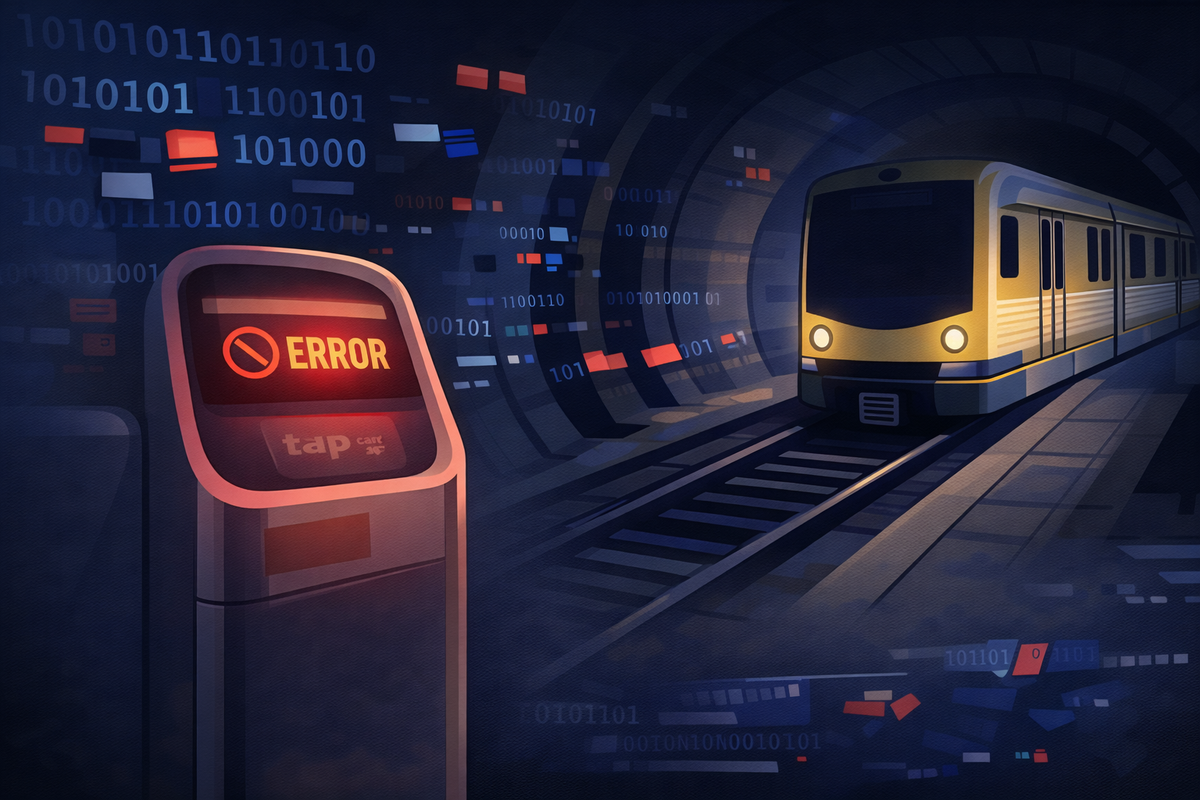
While Metro is a separate legal entity from the city government, the timing of the two incidents has led investigators to probe for shared vulnerabilities or a coordinated campaign targeting Southern California infrastructure. Transit officials confirmed that the internal lockdown has caused cascading technical issues for riders, including station monitors failing to display real-time arrival data.
Furthermore, Metro warned that customers may encounter significant delays when attempting to add value to TAP cards via the agency's website or customer service lines. Current guidance from the agency urges riders to use physical ticket vending machines at stations to reload fares until the web-based systems are fully vetted and restored.
Despite the administrative paralysis, Metro’s "Operations" technology remained resilient. Bus and rail services continued to operate on schedule, and the agency's primary 911 dispatch capabilities were not impacted by the initial breach. Local law enforcement and the FBI are currently assisting Metro’s cybersecurity teams with the investigation.
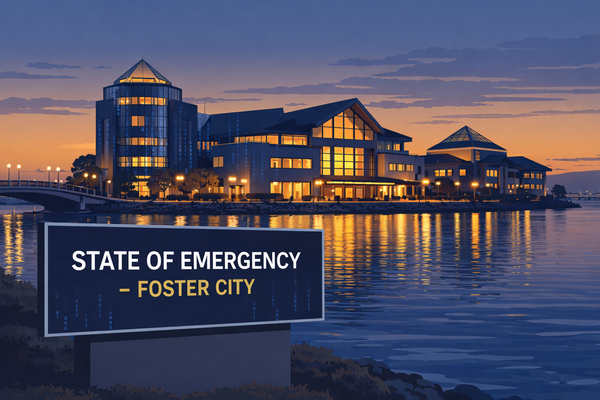
The incident follows a similar municipal emergency in the San Francisco Bay Area just 48 hours prior. In Foster City, officials were forced to declare a state of emergency after a ransomware attack paralyzed nearly all non-emergency city services. The breach forced the municipality to move its city council meetings to an "in-person only" format as its entire network remained hostage.
The CyberSignal Analysis
The LA Metro incident highlights a critical shift in how major metropolitan hubs manage "Smart City" infrastructure during a persistent threat. For CISOs and IT leaders, the event provides several strategic benchmarks:
- Network Segmentation as Resilience: Metro’s ability to maintain transit operations while the administrative "Office" network was darkened proves the value of robust air-gapping between Information Technology (IT) and Operational Technology (OT). This prevented a digital crisis from escalating into a physical transportation failure.
- The Rise of Worldleaks: This incident identifies Worldleaks as an aggressive actor targeting high-visibility public infrastructure. Their focus on the "Extortion-Only" model — where data is stolen for public leverage without the use of traditional encryption — suggests they are prioritizing reputational damage over operational disruption.
- Regional Pattern Recognition: This attack follows a distinct pattern of municipal targeting across California. Threat actors frequently "test" vulnerabilities in one jurisdiction, such as the recent Foster City emergency, before moving to larger agencies with similar digital architectures or shared third-party vendors.
- Identity-First Defense: The suspected use of credential harvesting reinforces the necessity of Phishing-Resistant Multi-Factor Authentication (MFA) and the regular auditing of administrative "least privilege" access. Public sector agencies remain prime targets for identity-based lateral movement.