FBI Classifies China-Linked Breach of Surveillance Systems as "Major Cyber Incident"

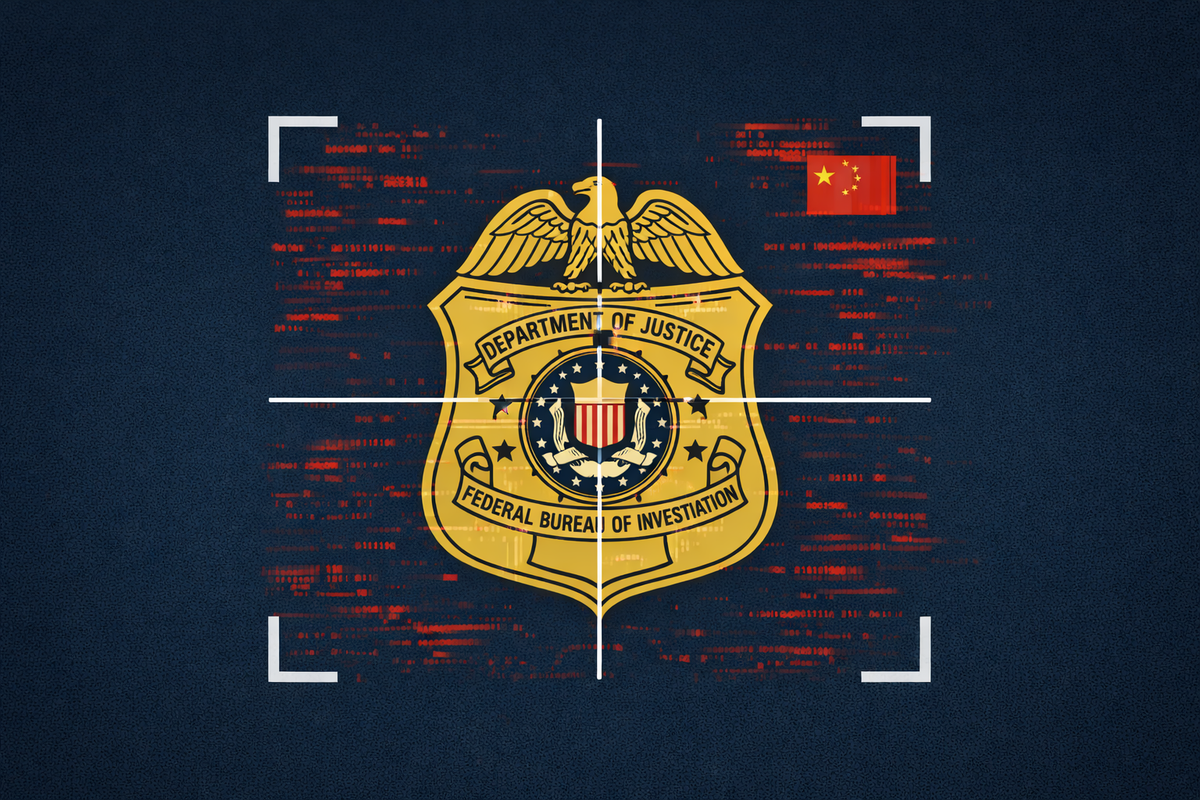
The Federal Bureau of Investigation has officially designated a recent breach of its internal networks as a "major cyber incident," signaling a significant escalation in the assessment of a campaign linked to Chinese state-sponsored actors. The classification, first reported by Politico, follows an intensive forensic review of unauthorized access into systems used to manage sensitive law enforcement surveillance data.
Targeting the Surveillance Core
The intrusion targeted a specific segment of the FBI’s infrastructure responsible for coordinating surveillance operations. Investigators believe the threat actors — identified by the Bureau as "suspected Chinese hackers" — gained access to a repository containing records of court-authorized monitoring and law enforcement data.
This development follows a string of security challenges for the Bureau. This latest breach serves as a significant update to a series of compromises previously tracked by The CyberSignal, including the unauthorized access of Epstein-related files stored on agency servers and a separate campaign where Iran-linked hackers targeted the FBI Director during a period of weakened defenses. However, officials noted that this latest incident involving Chinese operatives appears to be part of a distinct, highly sophisticated intelligence-gathering operation.
The "Major Incident" Designation
By labeling the breach a "major incident," the FBI is utilizing a specific federal classification under Presidential Policy Directive 41 (PDD-41). This designation is reserved for cyberattacks that are likely to result in demonstrable harm to national security, foreign relations, or public confidence.
According to Politico and HSToday, the classification triggers a coordinated "whole-of-government" response, involving increased resource allocation from the Cybersecurity and Infrastructure Security Agency (CISA) and the Office of the Director of National Intelligence (ODNI).
Geopolitical Implications
The timing of the disclosure coincides with heightened tensions between Washington and Beijing over digital sovereignty and state-sponsored espionage. While China has historically denied involvement in such campaigns, U.S. intelligence officials maintain that the tactics used in this breach — specifically the "low-and-slow" exfiltration of surveillance metadata — are consistent with the "Volt Typhoon" or similar advanced persistent threat (APT) groups.
NBC News and The Hill report that the Bureau is currently working to determine if any active investigations were compromised or if the hackers were able to identify undercover assets through the stolen surveillance logs.
Primary Intel & Reports: Politico, NBC News, The Hill, HSToday, Yahoo News
The CyberSignal Analysis
The classification of the FBI breach as a "major incident" marks a critical inflection point for Public Sector Security and national defense.
- Surveillance as a Counter-Intelligence Goldmine: Accessing the systems that track others is the ultimate goal of state-sponsored espionage. By seeing who the FBI is watching, a foreign adversary can identify which of their own operatives are "burned" and gain insight into U.S. counter-intelligence priorities.
- The Vulnerability of Law Enforcement Data: This breach highlights that even the world’s premier law enforcement agencies are not immune to the "Zero-Day" lifecycle. The Bureau must move toward a Zero Trust model where even internal surveillance tools require continuous, multi-layered authentication independent of the primary network.
- Operational Takeaway: Organizations should prioritize Egress Filtering and Honey-tokens. By placing "fake" sensitive files within the network, security teams can receive immediate alerts when an unauthorized actor attempts to move data out of a restricted environment, potentially catching a "major incident" before it reaches a critical scale.