Cisco Probes Reports of Source Code Theft Linked to Development Environment Breach

Networking giant Cisco Systems, Inc. (Nasdaq: CSCO) is investigating claims that a threat actor gained unauthorized access to one of its development environments, leading to the potential theft of source code and sensitive internal data. The incident is reportedly linked to a broader compromise involving a vulnerability in the Trivy scanning tool, a popular open-source vulnerability scanner used in container security.
Development Environment Compromised
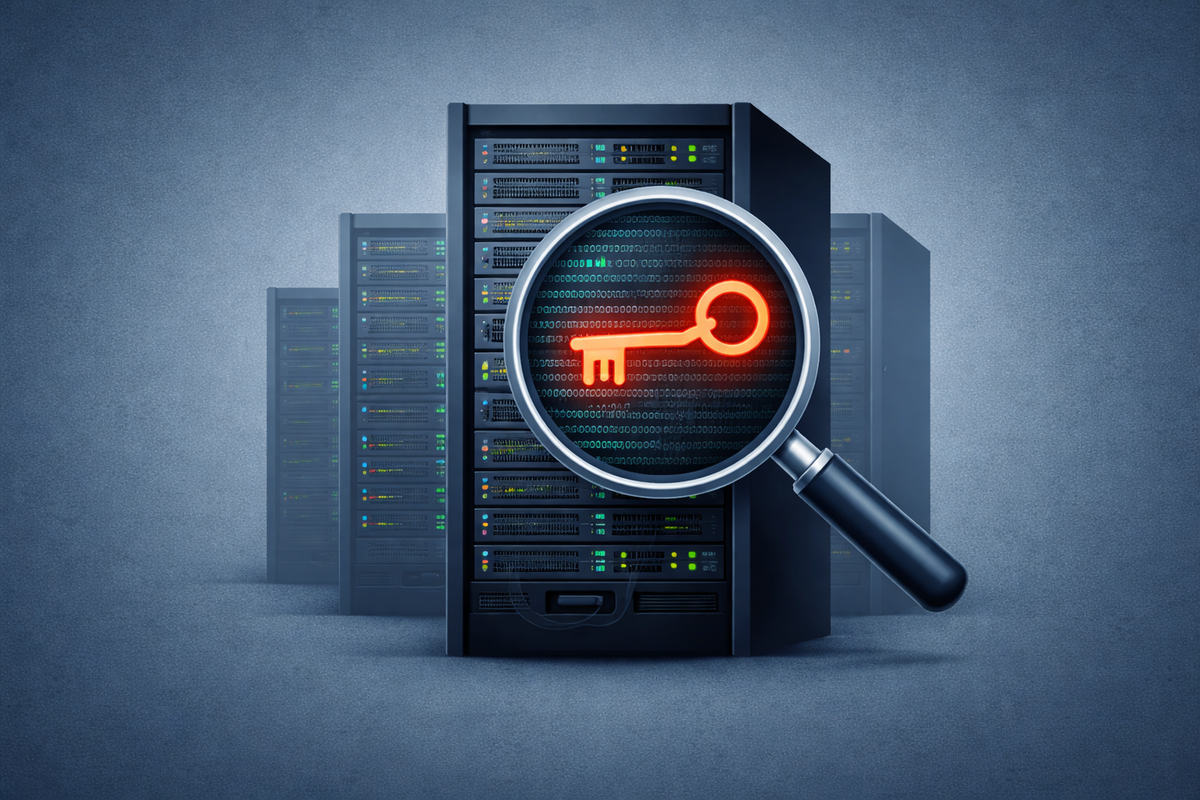
The breach was first brought to light when a threat actor began advertising stolen data on a popular hacking forum. According to BleepingComputer, the attacker claims to have exfiltrated several gigabytes of data, including source code for various Cisco products, internal documentation, and configuration files.
The point of entry appears to be a misconfigured or unpatched instance of Trivy, which is frequently integrated into DevSecOps pipelines to scan for vulnerabilities. Initial reports suggest that by exploiting this vulnerability, the attackers were able to move laterally from the scanning environment into the broader development infrastructure.
Extortion and Salesforce Data Claims
In addition to the source code, the threat actor claims to have accessed sensitive data related to Cisco’s use of Salesforce. Cybernews reports that the hackers have attempted to blackmail the company, threatening to leak the stolen data — which allegedly includes customer-related information — unless a ransom is paid.
Cisco has not officially confirmed the full extent of the exfiltrated data or the validity of the ransom demands. In a statement, the company noted it is "aware of the reports" and has launched a comprehensive forensic investigation to determine the impact on its products and customers.
Market Reaction and Supply Chain Anxiety
Following the reports, Cisco’s stock experienced minor volatility as investors weighed the potential for a downstream supply chain impact. Because Cisco’s hardware and software underpin much of the global internet infrastructure, the theft of source code is particularly sensitive; it could theoretically allow other threat actors to find "zero-day" vulnerabilities in Cisco products more easily.
Primary Intel & Reports: BleepingComputer, Cybernews
The CyberSignal Analysis
The Cisco incident highlights a critical "blind spot" in modern security: the Security Tools themselves.
- The "Guardians" as a Vector: This attack targeted Trivy — a tool specifically designed to find vulnerabilities. When security scanners are not properly secured or updated, they become a high-value beachhead for attackers because they often require deep permissions to "read" code and configurations across the entire development stack.
- Source Code as a Blueprint: While stolen source code does not automatically lead to a breach of Cisco’s customers, it provides an "attacker’s manual." Adversaries can use the code to perform offline vulnerability research, seeking out flaws that can be weaponized later. CISOs should monitor for an uptick in Cisco-specific exploits in the coming months.
- Operational Takeaway: Secure your DevSecOps Tooling. Every scanner, CI/CD runner, and automation script must be treated as a Tier-1 asset. This includes implementing strict Least Privilege access — ensuring that a tool like Trivy can only access the specific repositories it needs to scan, rather than the entire development environment.