Booking.com Confirms Global Data Breach Affecting Reservation Details

The world’s largest travel platform has issued an urgent warning to customers after an unauthorized third party accessed sensitive booking information, triggering a massive wave of targeted phishing attacks.
AMSTERDAM, Netherlands — Booking.com has confirmed a significant data security incident that has exposed the personal details and travel itineraries of customers across Europe, Australia, South Africa, and beyond. In a series of disclosures issued on April 13, 2026, the company revealed that an "unauthorized third party" gained access to internal systems, though it remains tight-lipped about the exact mechanism of the intrusion.
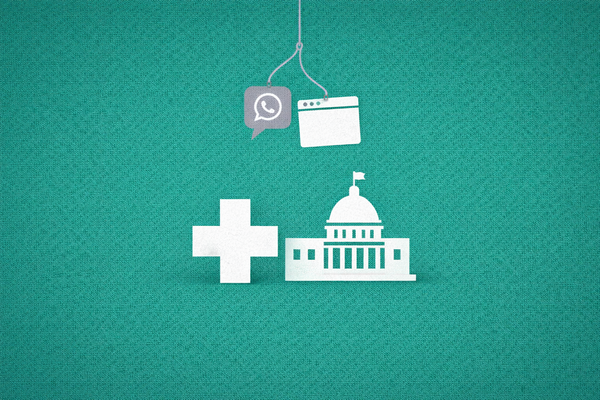
The breach has immediately escalated into a global fraud crisis, with scammers using the stolen data to launch highly convincing, personalized phishing attacks via the platform’s own messaging system and WhatsApp.
The Scope of Compromised Information
While Booking.com maintains that its core financial databases — including full credit card numbers — remain encrypted and secure, the exfiltrated data is enough to facilitate advanced identity theft. According to reports from The Guardian and ABC News, the following data points were accessed:
- Customer Identities: Full names, email addresses, and phone numbers.
- Itinerary Details: Check-in/check-out dates, hotel names, and reservation prices.
- Booking References: Unique ID numbers used for managing reservations.
The Anatomy of the Follow-on Attack
What makes this breach particularly dangerous is the "real-time" nature of the subsequent scams. Travelers have reported receiving messages that appear to come directly from the hotels they booked, claiming a "payment failure" or requiring "re-verification" of credit card details to avoid cancellation.
Because the scammers possess specific details about the traveler’s upcoming trip, these messages bypass the usual "red flags" of generic phishing. Some customers on Reddit and other forums reported that scammers even called them on their personal mobile numbers, quoting their exact booking reference to gain trust.
Internal Response and Partner Security
Booking.com has pointed toward compromised accommodation partner accounts as a recurring vulnerability. In past incidents, hackers used info-stealing malware to hijack the login credentials of hotel staff, allowing them to log into the Booking.com extranet and see customer data.
"We have taken immediate steps to secure the affected accounts and are working closely with law enforcement and our security partners," a Booking.com spokesperson said. "We urge all customers to be extremely cautious of any communication asking for payment details outside of our official app or website."
The CyberSignal Analysis
Signal 01 — The Metadata is the Weapon
This incident proves that hackers don’t need your credit card number to rob you; they just need your context. By stealing "non-material" metadata like a hotel name and a check-in date, threat actors can build a social engineering script that is nearly indistinguishable from legitimate customer service. For B2B platforms, this highlights that Account Takeover (ATO) of a single partner can compromise thousands of end-users.
Signal 02 — The Failure of the In-App "Safe Haven"
For years, travel platforms told users: "Only communicate via our app to stay safe." This breach has shattered that trust by allowing scammers to send phishing links through the platform’s own secure chat. This represents a critical failure in content filtering. Going forward, travel giants must implement stricter identity and access management (IAM) and sandboxing for partner-to-customer communications.
Sources
| Type | Source |
|---|---|
| Primary Report | The Guardian: Booking.com Customers Exposed in Hack |
| Technical Intel | SecurityWeek: Hackers Access Booking.com User Info |
| Regional Intel | ABC News: Australian Customers Caught in Global Breach |
| Industry Reaction | PCMag: Double-Check Your Travel Reservations |