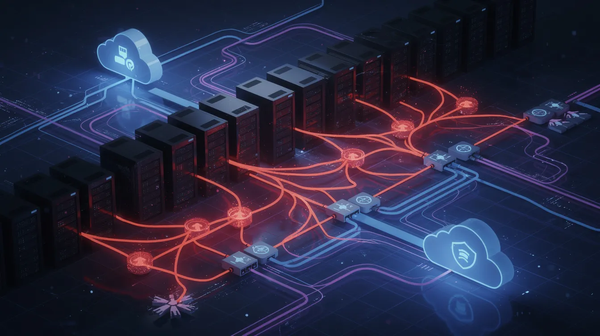
What Is a Nation-State Cyberattack?

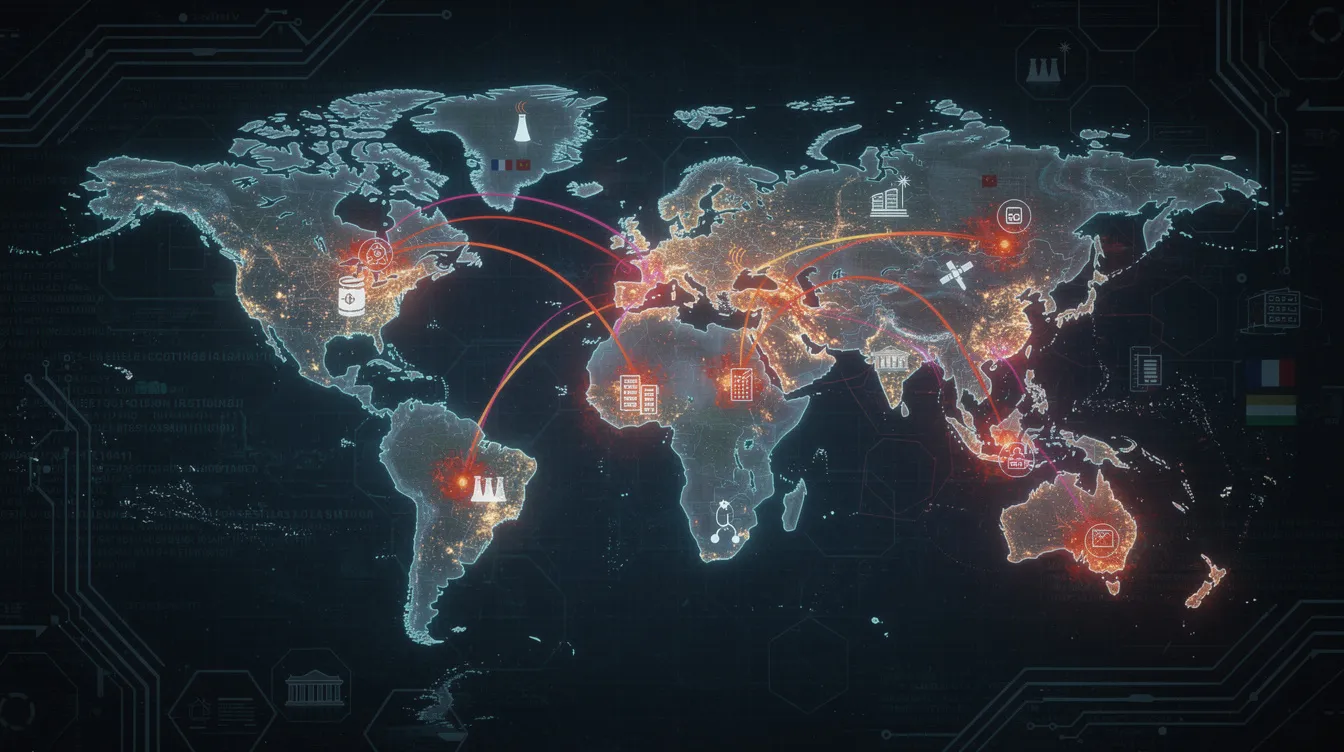
A nation-state cyberattack represents one of the most advanced and dangerous categories of cyber threats facing organizations today. These sophisticated cyber attacks are typically conducted by nation state actors or groups supported by government entities. Their goal is often to gather intelligence, steal sensitive data, disrupt operations, or influence geopolitical outcomes. This guide is intended for cybersecurity professionals, IT leaders, and policy makers seeking to understand and defend against nation state cyberattacks. Understanding these threats is critical for protecting critical infrastructure and maintaining national security.
Nation-states set the benchmark for cyber operations because their activities are highly targeted, well-funded, and persistent. Unlike opportunistic cybercriminals seeking quick financial gain, nation state threats often focus on strategic objectives such as intelligence collection, military logistics, and economic disruption. Opportunistic attacks, by contrast, are less targeted, less strategic, and more random, typically involving less sophistication and targeting a broad range of potential victims.
Nation-state cyberattacks redefine international security by enabling strategic disruption below the threshold of traditional armed conflict. As cyber warfare continues to evolve, organizations across both public and private sectors must understand how these attacks operate and how to defend against them.
Nation State Cyberattack
A nation state cyberattack refers to a cyber operation conducted by or on behalf of a nation state. These operations are typically carried out by state-sponsored threat actors with significant resources, advanced tooling, and long-term strategic goals.

Nation-state cyber operations are becoming more sophisticated and are increasingly targeting critical infrastructure and corporations. The motivations behind these attacks often include espionage, political influence, economic advantage, and preparation for potential kinetic operations.
Nation-state actors are increasingly using cyber operations to enable and enhance physical military operations. Cyber operations are integrated with traditional military strategies, as seen in the Russia-Ukraine and Israel-Iran conflicts. The line between cyber warfare and traditional kinetic operations is rapidly blurring.
Cyber-enabled kinetic targeting represents a fundamental evolution in warfare, where the traditional boundaries between cyber and kinetic operations are dissolving. Multiple nation-state threat groups are pioneering a new operational model where cyber reconnaissance directly enables kinetic targeting.
Cyber operations can provide adversaries with the precise intelligence needed to conduct targeted physical attacks against critical infrastructure. The ability to combine digital reconnaissance with physical attacks serves as a force multiplier for nation-state actors.
Critical Infrastructure
Critical infrastructure has become a primary target for nation state cyber threats. Cyberattacks target critical infrastructure, leading to significant economic disruption and potential threats to life.
Nation-state hackers target critical infrastructure, corporations, and government systems to gather intelligence or disrupt operations. Industries such as energy, telecommunications, transportation, and water systems are particularly attractive targets due to their importance to national security and economic stability.
Critical Infrastructure Hardening involves implementing mandatory security standards for sectors like energy and telecommunications. These security frameworks are designed to reduce the attack surface and strengthen defenses across interconnected systems.
Nation-state cyberattacks can cause economic instability by targeting financial institutions and stealing intellectual property. In addition to financial consequences, these attacks may create cascading effects across supply chains and global markets. Maintaining business continuity is essential for safeguarding organizational operations and public safety during sophisticated nation-state cyberattacks.
Nation State Attacks
Nation state attacks often involve highly sophisticated attacks designed to infiltrate networks and maintain persistent access while evading detection. These sophisticated cyberattacks may involve custom malware, remote access tools, credential theft, and exploiting software vulnerabilities.
Advanced persistent threat groups utilize sophisticated techniques, such as zero-day exploits, custom malware, and spear-phishing, to penetrate networks and evade detection. Nation-state actors are increasingly using tactics that blur the line between cybercrime and cyber warfare. The distinction between state-backed APT groups and criminal gangs is disappearing as states hire criminal proxies for cyber operations.
Cyber threat actors invest significant resources in outsmarting prevention tools and exploiting unpatched vulnerabilities. Zero-Day Exploits involve using unknown software vulnerabilities to breach secure systems before a fix exists.
Nation-state actors are increasingly compromising smaller or less-protected entities to reach their true targets. These supply chain attack strategies allow attackers to gain access to larger organizations by infiltrating trusted partners or vendors.
Common types of state-sponsored cyber actions include espionage to steal sensitive data, disruption of critical networks, and supply chain attacks.
Nation State Actors
Nation-state hackers are highly skilled individuals or groups employed or supported by government entities. Nation-state hackers target critical infrastructure, corporations, and government systems to gather intelligence or disrupt operations.
Nation-state actors are among the most advanced threat actors operating in the modern threat landscape. Nation-state hackers are highly skilled individuals or groups employed or supported by government entities.
The operations of nation-state hackers are highly targeted, well-funded, and persistent. Nation-state hackers employ sophisticated attack vectors and techniques to infiltrate and compromise target systems.
Understanding the characteristics and motivations of nation-state hackers is crucial for developing effective defense mechanisms against them. The motivations of nation-state hackers significantly influence their attack methodologies and targets.
Chinese state-sponsored cyber activity often reflects Beijing’s strategic goals and is primarily focused on intelligence collection. Chinese cyber espionage campaigns have also targeted organizations and governments involved in the South China Sea, reflecting regional political and strategic interests. Russian state-sponsored threat actors have reduced their destructive operations but are increasing their espionage activities against foreign and defense policy organizations.
North Korean cyber operations have become more sophisticated, focusing on intelligence collection and cryptocurrency theft.
Nation-state cyber operations are expanding their global reach, particularly in the Global South, including Latin America and sub-Saharan Africa.
Cyber Operations
Modern cyber operations conducted by nation states involve complex attack chains that include reconnaissance, initial compromise, privilege escalation, lateral movement, and persistent access.
Nation-state actors systematically use cyber operations to enable and enhance physical operations. These campaigns frequently target government agencies, military organizations, and companies involved in defense supply chains.
The convergence of cyber and influence operations has matured, particularly during the Russia-Ukraine war, with reduced time between attacks and public leaks. State-sponsored cyber tools are used to spread disinformation and manipulate public opinion, impacting democratic stability.
Persistent state-sponsored espionage undermines international cooperation and trust. The difficulty of accurate attribution in cyberattacks creates a fog of uncertainty that can lead to diplomatic miscalculations.
Nation State Threats
Nation state threats continue to evolve rapidly as geopolitical tensions increase and cyber capabilities expand. Espionage operations by nation-state actors pose a long-term global threat and are increasing in sophistication.
Organizations involved in policymaking and implementation are among the most targeted by nation-state actors. Maintaining a strong security posture is crucial for organizations to protect against evolving nation-state and cybercriminal attacks. These attackers often attempt to steal sensitive information or gain unauthorized access to government systems and sensitive data repositories.
Nation-state hackers pose significant threats to mobile application security, especially for enterprises managing sensitive data. These attackers frequently exploit vulnerabilities in mobile applications and edge devices to gain access to remote access systems.
Credential theft and phishing campaigns remain among the most common attack vectors. Phishing attacks and social engineering techniques are frequently used to gain initial access before deploying malicious code.
Nation States
Nation states increasingly view cyber operations as a strategic extension of national power. Nation-states set the benchmark in cybersecurity because their operations are highly targeted, well-funded, and persistent.
Hybrid warfare strategies combine cyber attacks with economic pressure, disinformation campaigns, and military activities. The tactics of nation-state actors are evolving to include cyber-enabled influence operations that mature over time.
Defenders must adapt their strategies to address threats that span both digital and physical domains. Strengthening defenses is essential for enhancing cybersecurity and resilience against nation-state cyber threats. The ability to coordinate cyber operations with traditional military strategies is transforming the global security environment.
Advanced Persistent Threat
An advanced persistent threat represents a long-term cyber intrusion conducted by sophisticated threat actors seeking to maintain access within a target system.
Most APT intrusions succeed because of weaknesses in fundamental security controls, not exotic exploits. Attackers often rely on common techniques such as phishing campaigns, credential theft, and exploiting known software vulnerabilities.
Advanced persistent threat groups frequently use custom malware, remote access tools, and stealthy techniques to maintain persistence and avoid detection. Nation-state hackers often use stealthy techniques to maintain persistence and avoid detection.
APT groups may maintain long term access to compromised systems while quietly gathering information and conducting data exfiltration operations.
Cyber Security
Effective cyber security strategies must account for the growing sophistication of nation state cyber threats. Organizations must strengthen defenses across their networks, endpoints, and cloud environments.
Companies can thwart identity-based attacks by implementing strong Multi-Factor Authentication, which stops up to 99% of such attacks. Patch management is also critical because attackers frequently exploit software vulnerabilities and zero day vulnerabilities.
Organizations must implement layered security measures, monitor for unusual activity, patch systems promptly, and use threat intelligence to anticipate evolving tactics.
Defending against nation-state cyberattacks requires a continuous, intelligence-led approach that strengthens governance, technology, and human readiness.
Nation State Hackers
Nation state hackers frequently conduct reconnaissance to gather intelligence before launching targeted cyber operations. These attackers may exploit software vulnerabilities, deploy custom malware, or use credential theft to gain unauthorized access.

Nation-state hackers often seek persistent access within compromised systems so they can steal sensitive information over time. Data exfiltration operations often target intellectual property, government intelligence, or defense-related information.
Nation-state hackers pose a particularly serious threat to organizations managing sensitive information, including government entities, defense contractors, and technology firms.
Cyber Resilience
Cyber resilience focuses on ensuring organizations can detect, respond to, and recover from cyber incidents quickly. Cyber resilience ensures that even if an attack occurs, an organization can detect, respond, and recover quickly, minimizing the impact on operations and public safety.
100 percent prevention against nation-state attacks is impossible, and SOC teams must accept that these attackers are going after more organizations.
Organizations that historically believed they were not targets may now be targeted for tactical intelligence. This expanding threat landscape requires organizations to strengthen defenses and maintain strong incident response capabilities.
Collaboration with trusted security partners is key to enhancing defenses against nation-state cyber threats. Cyber threats evolve faster than most organizations can respond alone, making integrated partnerships crucial for APT preparation.
Simulation and testing are essential for discovering detection gaps long before an actual adversary does.
Lateral Movement
Lateral movement is a common technique used by advanced threat actors once they gain initial access to a network. Attackers use lateral movement to move from compromised systems to additional systems across the network.
Techniques such as privilege escalation, credential theft, and remote access tools allow attackers to expand their control across the target's network.
Once attackers gain persistent access, they can maintain long term access to sensitive systems, gather intelligence, and conduct data exfiltration without detection.
Strong network segmentation, monitoring of unusual activity, and rapid incident response are essential to stopping lateral movement before attackers compromise additional systems.
Case Studies of Nation State Attacks
Nation state cyberattacks now dominate the global threat landscape, targeting everything from power grids to government networks with unprecedented sophistication. Critical infrastructure operators, federal agencies, and organizations spanning both public and private sectors find themselves squarely in the sights of well-resourced adversaries. These state-backed groups deploy advanced persistent threat campaigns to steal sensitive intelligence, cripple operations, and secure long-term strategic advantages. Real-world incidents reveal just how far these capabilities have evolved — and the massive risks they create.
Stuxnet: Disrupting Critical Infrastructure
Stuxnet remains the gold standard for nation state cyber warfare. This groundbreaking malware surfaced in 2010, widely linked to a US-Israeli joint operation targeting Iran's nuclear program. The worm didn't just steal data — it weaponized code to cause physical destruction. Stuxnet exploited multiple zero-day vulnerabilities, penetrating air-gapped industrial control systems and ultimately destroying uranium enrichment centrifuges. The attack proved that cyber operations could deliver kinetic-level damage without firing a shot, fundamentally changing how nations think about digital warfare.
SolarWinds Supply Chain Attack: Espionage at Scale
The 2020 SolarWinds breach redefined supply chain security threats. Russian intelligence operatives, operating under the APT29 "Cozy Bear" designation, pulled off one of history's most audacious cyber espionage campaigns. They compromised SolarWinds' software build process, embedding malicious code into routine Orion platform updates. This trojan horse approach gave attackers persistent access to thousands of organizations, including multiple federal agencies, defense contractors, and Fortune 500 companies. The operation demonstrated how a single compromised vendor could unlock access to an entire ecosystem of high-value targets.
NotPetya: Disruption Beyond Borders
NotPetya showcased how nation state attacks can spiral far beyond their intended scope. Russian actors launched the destructive campaign in 2017, initially targeting Ukrainian government systems and critical infrastructure. The malware combined stolen credentials with software exploits to spread rapidly across networks. What started as a focused attack against Ukraine became a global crisis, crippling shipping giant Maersk, pharmaceutical company Merck, and healthcare systems across multiple continents. The incident highlighted a harsh reality: in our interconnected world, cyberattacks rarely respect borders.
These cases illustrate the full spectrum of nation state cyber capabilities. Whether the mission involves intelligence collection, data theft, or operational disruption, state-sponsored groups continue to evolve their tactics and expand their reach. Critical infrastructure operators and security teams must understand these threat patterns to build effective defenses. The stakes continue rising as nation state actors refine their methods and target increasingly vital systems.
FAQ
What is a nation state cyberattack?
A nation state cyberattack is a cyber operation conducted by or on behalf of a government to gather intelligence, disrupt operations, or achieve geopolitical objectives.
Why do nation states conduct cyber attacks?
Nation states conduct cyber attacks to steal sensitive data, gather intelligence, influence political outcomes, disrupt critical infrastructure, or support military objectives.
What industries are most targeted by nation state hackers?
Critical infrastructure sectors, government agencies, defense contractors, financial institutions, and technology companies are among the most targeted.
What is an advanced persistent threat?
An advanced persistent threat is a long-term cyber intrusion where attackers maintain persistent access to systems to gather intelligence or steal sensitive information.
How can organizations defend against nation state cyber threats?
Organizations should implement layered security measures, conduct threat intelligence monitoring, maintain strong patch management, use multi-factor authentication, and strengthen cyber resilience strategies.