What Is a Deepfake? Understanding Deepfake Technology, Risks, and Detection

Introduction to Deepfake Technology
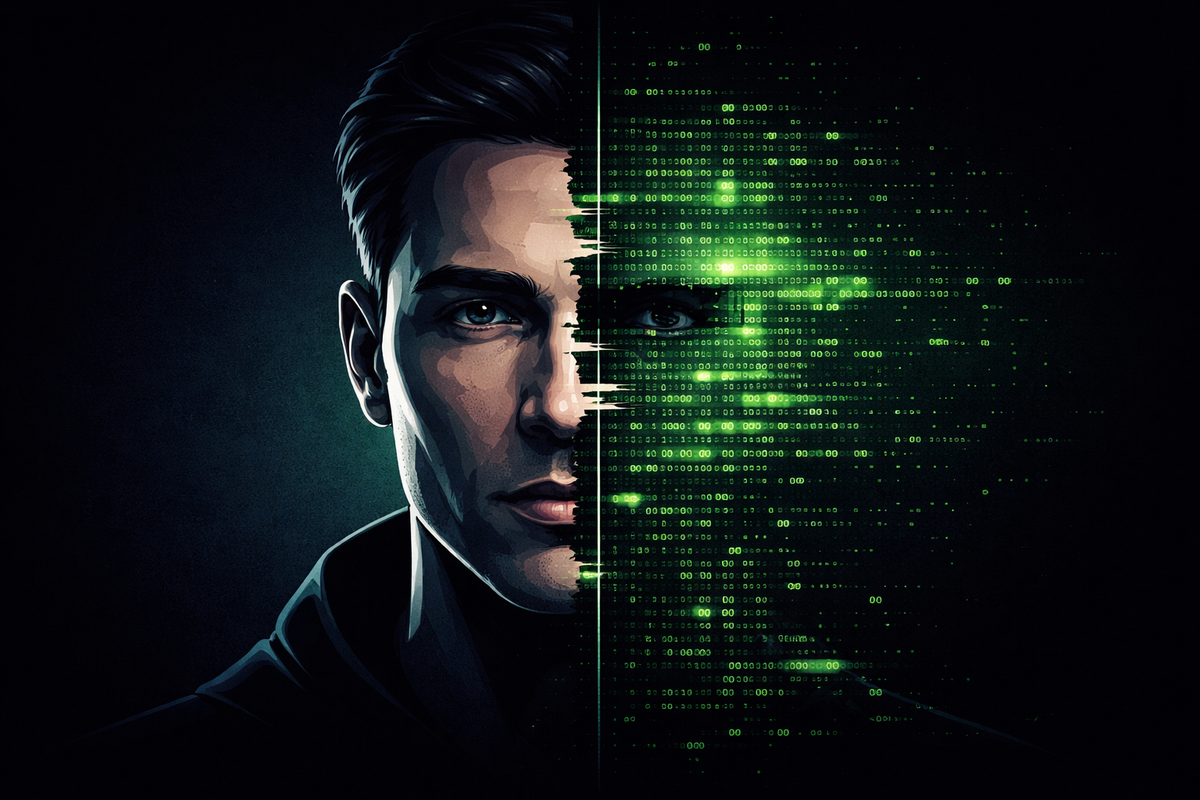
A deepfake is a form of synthetic media where artificial intelligence is used to create highly realistic fake videos, fake images, or audio recordings that depict a real person doing or saying something they never did. A deepfake is an artificial image or video generated by a special kind of machine learning called 'deep' learning. Deepfakes are images, videos, or audio that have been edited or generated using artificial intelligence and are considered a form of synthetic media.
This article is intended for readers seeking to understand the basics and implications of deepfake technology, including students, professionals, and the general public.
This article serves as an educational resource for understanding deepfake technology, its implications, and its impact on society. The term originated in late 2017 from a Reddit user known as “deepfakes,” who began sharing deepfake videos online, marking a turning point in how generative ai could be applied to media creation.
At its core, deepfake technology (sometimes spelled as 'deep fake' in media literacy discussions) uses deep learning, machine learning, and advanced neural networks to analyze real video, audio, and images of a person. These systems learn patterns such as facial expressions, voice tone, and movement, then generate new content that mirrors those patterns with high quality output. This process makes it possible to create content that looks and sounds authentic, even when it is entirely fake. Deepfakes are increasingly discussed as tools that can spread misinformation, disinformation, and non-consensual content, with the potential to deceive the public and influence opinions, especially in political and social contexts.
Today, deepfakes are widely accessible through ai tools and mobile apps like Zao, Reface, and Wombo, allowing users to create personalized videos with minimal effort. While this opens creative possibilities in media and entertainment, it also introduces serious security and identity theft risks across the internet. Deepfake technology has evolved to be increasingly convincing and is now disrupting the entertainment and media industries.
How Deepfakes Work: AI, Neural Networks, and Generative AI
Deepfakes rely on a combination of generative ai models, including autoencoders, generative adversarial networks (GANs), and diffusion models. Deepfakes utilize a type of neural network called an autoencoder, which consists of an encoder that compresses an image into a lower dimensional latent space and a decoder that reconstructs the image from this latent representation, enabling highly realistic results. These systems are trained on large datasets and use neural networks to understand how a person looks, moves, and speaks across different contexts. The result is a system that can produce highly realistic fake content at scale.
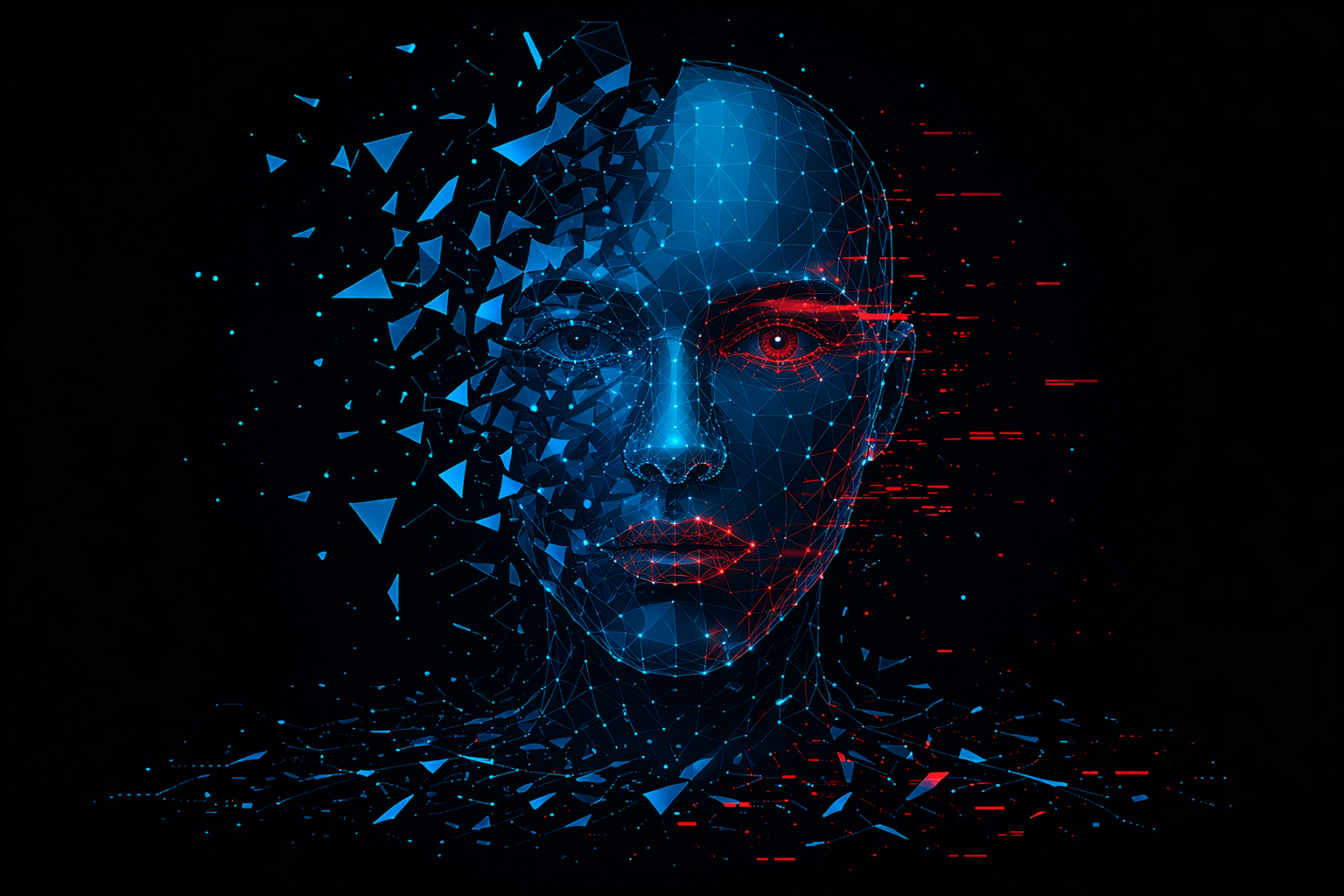
The process of creating deepfakes typically follows a structured pipeline that involves data, training, and generation. Each stage plays a critical role in determining the final quality of the deepfake video or audio output. Diffusion models are a newer method that adds artificial noise to images during the generation process, resulting in enhanced realism compared to GANs. As models improve, the line between real and fake continues to blur.
There is a real possibility that deepfake technology could soon convincingly impersonate individuals in both video and audio, making it increasingly difficult to distinguish real from fake.
Core Deepfake Creation Process
Stage | What Happens | Why It Matters |
|---|---|---|
Data Collection | Large sets of video, audio, and images are gathered | More data improves realism |
Model Training | Neural networks learn patterns like lip sync and voice | Enables accurate mimicry |
Content Generation | AI produces new fake media based on learned patterns | Final output appears realistic |
GANs are especially important because they create a feedback loop where one model generates fake content and another attempts to detect it. This constant competition improves realism over time, making deepfakes increasingly difficult to detect.
Types of Deepfakes: From Fake Videos to Deepfake Pornography
Deepfakes exist in several forms, each with different use cases and risks across media, society, and security environments. The majority of deepfake content involves non-consensual pornography, often targeting women. Deepfake content is frequently used for non-consensual pornography, political disinformation, and financial fraud. Deepfakes are increasingly used to commit crimes such as fraud, blackmail, and identity theft. They are also used to manipulate political processes and public opinion, raising significant concerns in the realm of politics. While some uses are creative or harmless, the vast majority of harmful content involves misuse of identity and consent. Understanding the different types helps clarify where the biggest risks exist.
Common Types of Deepfakes
Deepfake video and audio
These include fake video call impersonations, cloned voice recordings, and manipulated speeches that can simulate or alter the acting or performance of individuals, making it difficult to distinguish between real and fabricated content. Deepfakes have also been used to misrepresent well-known politicians in videos, contributing to misinformation campaigns.
Fake images and face swaps
- AI can generate fake images or modify existing ones, similar to photoshop but far more advanced and scalable through machine learning.
Deepfake porn images and deepfake porn
- Approximately 96–98% of deepfake content online involves deepfake pornography, often targeting women without consent. This raises major ethical and legal concerns around privacy and abuse.
Personalized videos and media
- On the benign side, deepfakes can be used to create personalized videos for marketing, entertainment, or storytelling, showing the dual-use nature of the technology.
Why Deepfakes Matter: Risks to Security, Society, and Trust
Deepfakes pose real-world risks that extend far beyond digital manipulation. They impact financial systems, public trust, and even democratic processes by making it harder to verify what is real. Deepfake misinformation can escalate to violence or conflict, especially when fabricated videos of world leaders or influential figures are used to make provocative or harmful statements.
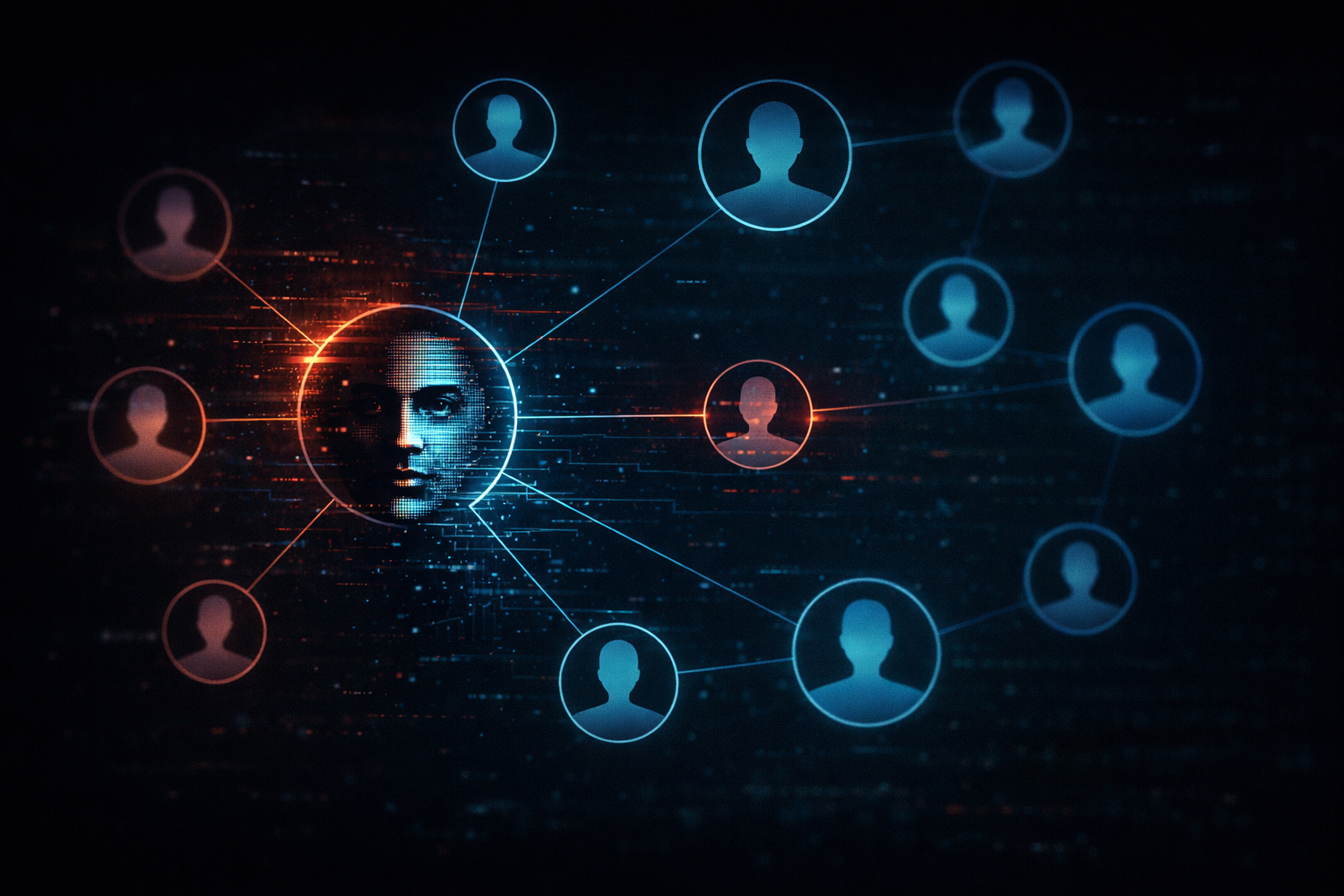
Individuals, particularly vulnerable populations such as the elderly, may fall victim to deepfake scams, including those that manipulate real-time video calls, making it difficult to distinguish genuine content from fabricated media. Deepfakes also pose risks including harassment, blackmail, and financial fraud by impersonating individuals. As deepfake technology becomes more accessible, these risks continue to grow at a large scale.
Impact on Financial Systems
- Deepfakes are used to impersonate executives or trusted individuals in video call scenarios, leading to financial fraud, scams involving money transfers, and unauthorized transactions. Deepfakes are increasingly used in impersonation scams to trick individuals into transferring money or sharing sensitive information.
Threats to Democracy
- Fake videos of public figures can spread misinformation, influence elections, and shape public opinion in harmful ways.
Personal Risks
- Deepfake pornography and fabricated evidence can be used to damage reputations, extort victims, or create false narratives.
A notable example occurred in March 2025, when a finance director approved a wire transfer after interacting with deepfake versions of company leadership. Deepfake scams like this exploit trust and can result in billions of dollars in losses globally.
Key Risks of Deepfakes
- Identity theft and fraud
- Political manipulation
- Harassment and blackmail
Deepfake Applications: Commercial and Legitimate Uses
Deepfake technology has evolved far beyond its notorious reputation as a tool for creating malicious synthetic media. Today, enterprises across multiple sectors are deploying this AI-powered technology for legitimate business applications that are reshaping how organizations engage customers, produce content, and deliver training. The commercial applications represent a significant shift in how businesses approach personalization and content creation.
Marketing and Customer Engagement
Marketing teams are increasingly turning to deepfake technology to craft hyper-personalized video campaigns that address individual customers by name and deliver tailored messaging. This approach drives measurably higher engagement rates and helps organizations cut through digital noise more effectively than traditional methods. Companies are now generating spokesperson videos where AI-manipulated presenters appear to speak directly to each recipient, creating what industry analysts describe as "scalable intimacy" in customer communications.
Entertainment Industry
The entertainment sector has emerged as an early adopter, with production studios leveraging AI-powered facial manipulation and lip-sync technology to streamline post-production workflows. Directors can now seamlessly dub films into multiple languages or modify actor appearances without costly reshoots. This capability has unlocked creative possibilities that were previously prohibitively expensive — from digitally recreating deceased performers to de-aging actors for period sequences. The technology is fundamentally changing how studios approach international distribution and creative storytelling.
Music and Audio
Music industry professionals are experimenting with synthetic audio generation for everything from voiceovers to complex sound design in music videos and live performances. Artists are using these tools to explore new sonic territories and facilitate virtual collaborations across geographic boundaries. The technology enables musicians to prototype vocal arrangements and experiment with different artistic directions without traditional studio constraints.
Education and Training
Educational institutions and corporate training departments have identified deepfake technology as a powerful tool for creating immersive learning experiences. Organizations are developing personalized training modules that simulate real-world scenarios, allowing employees to practice customer interactions or technical procedures in controlled environments. This application has proven particularly valuable for industries where hands-on training carries significant risks or costs.
The same technological capabilities that enable these legitimate applications also present substantial security and ethical risks that organizations must carefully manage. The identical tools used for creating personalized marketing content can be weaponized to generate non-consensual deepfake porn images or deepfake porn videos, resulting in severe privacy violations and potential identity theft incidents. Security professionals emphasize that organizations implementing deepfake technology must establish robust ethical frameworks, secure explicit consent from all parties, and maintain complete transparency about synthetic content usage.
The enterprise adoption of deepfake technology requires a balanced approach that maximizes commercial benefits while implementing comprehensive safeguards against misuse. Organizations that establish clear governance frameworks and ethical guidelines position themselves to leverage this powerful technology responsibly while protecting against the reputational and legal risks associated with synthetic media abuse.
Why Detection Makes Deepfakes Difficult
Detecting deepfakes is challenging because the technology evolves rapidly, creating what experts describe as a moving goal post. Detection methods are actively discussed and developed by academic institutions and technology companies to combat the rise of deepfake technology. As detection methods improve, so do the techniques used to create more convincing deepfake content. This constant evolution makes deepfakes difficult to stop at scale.
AI can be trained to recognize deepfakes by detecting patterns that the human eye cannot see, making automated detection critical. Detection of deepfakes often involves identifying subtle inconsistencies in video, such as irregular blinking patterns, lighting mismatches, or unnatural mouth movements.
Common Detection Signals
- Visual anomalies such as inconsistent lighting or shadows
- Lip sync errors between audio and video
- Audio irregularities like unnatural voice tones
- Behavioral inconsistencies that do not match the person
AI-powered detection tools can identify signals that human reviewers might miss, including spectral anomalies in voice recordings. Effective deepfake detection requires combining media, behavioral, contextual, and identity signals to improve accuracy.
The Deepfake Detection Challenge helped accelerate research in this space, but detection methods are still evolving alongside deepfake technology.
Laws and Regulations Around Deepfakes
There isn't a single federal law that completely bans deepfakes in the United States. However, existing laws against fraud, wire fraud, defamation, and identity theft apply when deepfakes are used for illegal purposes. Deepfakes can be prosecuted under existing crime statutes, including those addressing cybercrime, fraud, blackmail, and impersonation. Verification controls, such as personal verification questions, are important for defending against deepfake-related fraud and serve as a crucial control mechanism to prevent sophisticated impersonation attacks.
As of late 2025, 47 states have passed some form of deepfake legislation, particularly around election interference and non-consensual content. The TAKE IT DOWN Act, signed into law in May 2025, is the first federal law to specifically target AI-generated synthetic media, focusing on non-consensual intimate images. California Assembly Bill No. 602 provides individuals targeted by sexually explicit deepfake content made without their consent with a cause of action against the content's creator. Legal experts are questioning whether current and emerging regulatory frameworks adequately balance advancements in deepfake detection with the protection of individual rights.
Key Legal Developments
- TAKE IT DOWN Act (2025) targeting synthetic media abuse
- California Assembly Bill 602 protecting victims of deepfake pornography
- State-level laws addressing election interference
Despite these efforts, enforcement remains inconsistent, and deepfake-related fraud is difficult to prosecute due to challenges in identifying perpetrators and proving intent.
Real-World Examples of Deepfake Use
Deepfakes have already been used in real-world scenarios across business, entertainment, and cybercrime. These examples highlight how the technology can be both innovative and dangerous depending on its application.
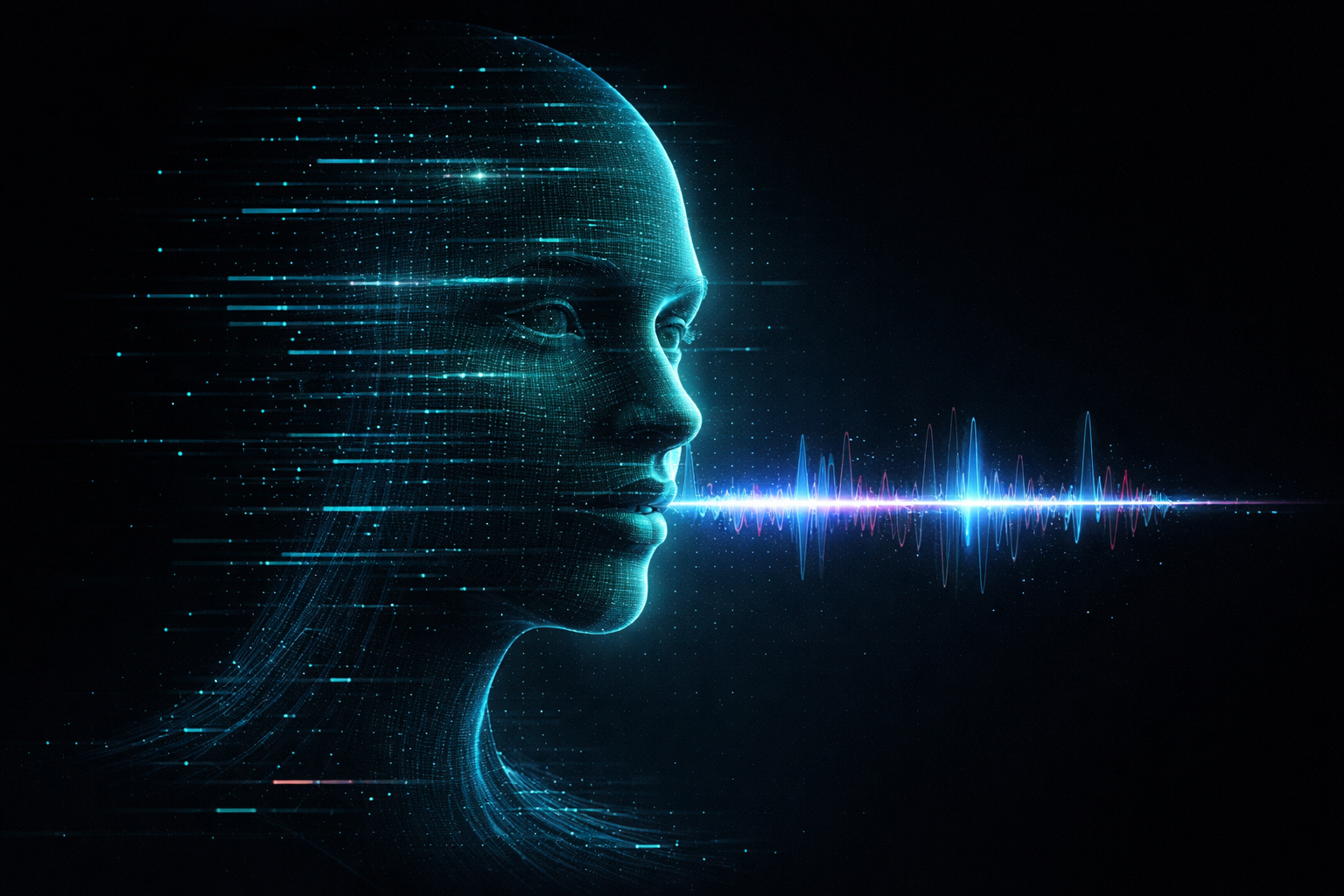
Deepfake technology is increasingly being used in business email compromise (BEC) schemes, where a fake voice call is used to confirm a fraudulent email request, making the scam more convincing. In 2019, a U.K.-based energy firm's CEO was scammed over the phone when an individual used audio deepfake technology to impersonate the voice of the firm's parent company's chief executive, resulting in a significant financial loss. In March 2025, a finance director at a multinational company in Singapore approved a wire transfer after talking on Zoom with people who claimed to be the company's CFO and senior leadership — these individuals were actually deepfakes. In July 2024, a North Korean operative used a deepfaked video presence to pass background checks and verify references before being onboarded at a company, showing how identity verification systems can be bypassed.
Deepfake scams often involve manipulated messages and can be coordinated with current news events to enhance their credibility and immediacy. Monitoring social media and digital networks is crucial for detecting and responding to deepfake and reputation attack threats.
Notable Examples
- 2025 finance fraud via deepfake video call impersonation
- Deepfake celebrity endorsements used in scams
- AI-generated performances in entertainment media
These cases show how deepfakes can exploit trust, making them particularly effective in social engineering attacks.
How to Protect Against Deepfakes
Protecting against deepfakes requires a combination of technology, policy, and user awareness. Organizations must implement strong verification systems, while individuals need to remain cautious when interacting with digital media. Phone-based biometric authentication systems are particularly vulnerable to deepfake attacks, as AI-generated voice clones can bypass these controls and enable account takeover fraud through phone calls. Deepfake technology has made it easier for attackers to bypass identity verification processes, including biometric and voice authentication. Therefore, verification controls — such as personal verification questions — are crucial for defending against sophisticated deepfake impersonation attempts that may evade technological defenses.
Organizations are encouraged to implement governance and verification protocols to minimize risk. This includes using multi-factor authentication, verifying sensitive requests, and deploying detection tools.
Practical Protection Steps
- Verify requests through multiple channels
- Use MFA and identity verification systems
- Train employees on deepfake risks
- Monitor for unusual audio or video behavior
Deepfakes exploit human trust, so awareness and skepticism are critical defenses against these threats.
The Future of Deepfake Technology
Deepfake technology will continue to evolve rapidly as generative AI models become more advanced, accessible, and widely available. Emerging techniques such as diffusion models and enhanced neural networks are already increasing the realism and quality of deepfakes, making it easier for even beginners to create convincing fake videos, images, and audio. This ongoing improvement lowers the barrier to entry, allowing a broader range of individuals and organizations to produce deepfake content. Readers interested in learning more about deepfakes can consult authoritative websites and articles for in-depth technical details and the latest developments.
The number of deepfake files found online has grown significantly, indicating an increase in their prevalence. Dedicated websites and online pages play a key role in providing resources, updates, and detection tools related to deepfakes, as well as promoting media literacy. Many platforms, such as Reddit, Facebook, and Twitter, have established specific pages or sections to address deepfake content, implement policies, and inform users about content moderation efforts.
This evolution carries significant implications for various sectors including media, security, and society at large. On the positive side, deepfakes have the potential to revolutionize entertainment, marketing, and personalized content creation by enabling novel storytelling methods and interactive experiences. For example, filmmakers can use deepfake technology to de-age actors or resurrect historical figures, while marketers can create personalized videos tailored to individual consumers.
However, the increasing prevalence and sophistication of deepfakes also pose serious risks. The existence of efficient techniques for fabricating false evidence raises concerns about the reliability of video, audio, and photographic evidence in legal contexts. The ability to fabricate highly realistic fake videos and audio can undermine trust in digital information, making it more difficult for people to discern reality from manipulation. This erosion of trust threatens public discourse, democratic processes, and personal reputations. Deepfakes can be exploited for identity theft, financial fraud, political disinformation, harassment, and blackmail, often with devastating consequences.
As deepfake technology advances, the need for robust detection methods becomes critical. AI-powered detection tools must evolve alongside generative models to identify subtle inconsistencies in media that humans cannot easily perceive. Combining media analysis with behavioral, contextual, and identity signals will improve the accuracy and effectiveness of detection systems.
In parallel, stronger laws and regulations are essential to address the challenges posed by deepfakes. Legislation like the TAKE IT DOWN Act and state-level laws targeting non-consensual synthetic media set important precedents, but enforcement and legal frameworks must keep pace with technological advances to effectively deter malicious use.
The rise of deepfakes has led to calls for improved media literacy to help individuals recognize and critically assess manipulated content. Improving media literacy across the general population is another crucial response. Educating individuals to critically assess digital content, recognize potential deepfakes, and adopt cautious verification practices can help mitigate the spread of misinformation and reduce victimization.
In summary, the future of deepfake technology is a double-edged sword: it offers exciting creative opportunities but also demands vigilant technological, legal, and educational responses to protect society from its misuse. Continued collaboration among researchers, policymakers, industry leaders, and the public will be vital to navigate this rapidly changing landscape responsibly.
FAQ: Deepfakes Explained
What is a deepfake in simple terms?
A deepfake is AI-generated video, audio, or images that realistically imitate a real person using machine learning.
How are deepfakes created?
They are created by training neural networks on large datasets of a person’s video, audio, and images, then generating new content based on learned patterns.
Are deepfakes illegal?
Deepfakes themselves are not always illegal, but they become illegal when used for fraud, harassment, or non-consensual content.
How can you detect a deepfake?
Detection involves identifying inconsistencies in video, audio, or behavior, often using AI-powered tools.
Why are deepfakes dangerous?
They enable identity theft, financial fraud, misinformation, and reputational damage at a large scale.