U.S. Agencies Warn of Sustained Iranian Campaign Targeting Critical Infrastructure

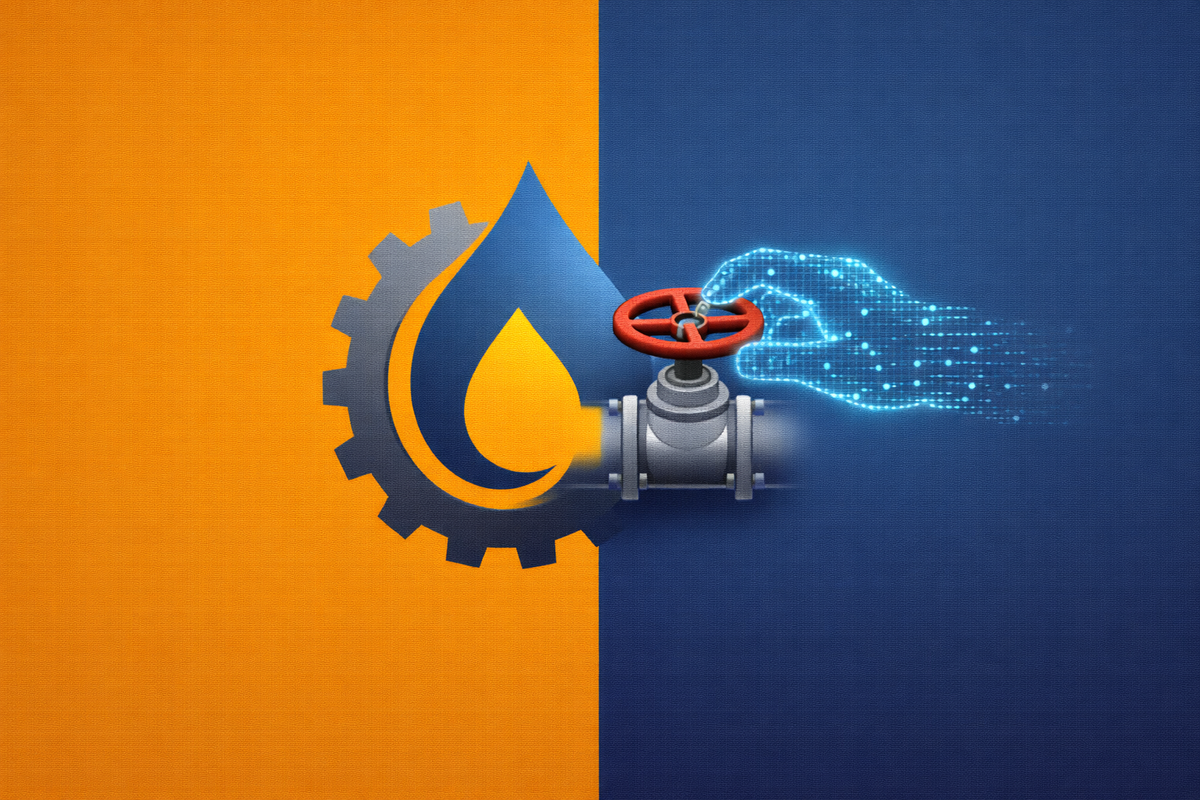
U.S. intelligence and cybersecurity agencies have issued a joint advisory warning of a significant escalation in Iranian-linked cyber operations targeting the nation’s critical infrastructure. The coordinated alert from CISA, the FBI, and the NSA highlights a strategic shift from "episodic" disruptions to a "sustained and systematic" campaign specifically aimed at the energy, water, and manufacturing sectors.
Targeting the "Operational Heart"
According to reports from Reuters and The Hacker News, Iranian-affiliated actors — including groups often identified as CyberAv3ngers and Emennet Pasargad — are moving beyond traditional IT networks to strike Operational Technology (OT). The primary targets are internet-connected Programmable Logic Controllers (PLCs) and SCADA systems that manage physical processes in water treatment plants and power substations.
The advisory notes that these actors are exploiting "low-hanging fruit," such as default passwords and unpatched vulnerabilities in human-machine interfaces (HMIs). Wired and SecurityWeek report that recent incidents have involved the sabotage of water pressure controllers and energy distribution software, leading to localized service disruptions. While none of the attacks have yet caused catastrophic physical damage, officials warn that the intent is to demonstrate the capability to induce civilian "panic and loss of confidence."
A Shift in Strategic Intent
A recent analysis by the Center for Strategic and International Studies (CSIS), cited by Industrial Cyber, underscores a change in Tehran’s digital doctrine. For years, Iranian cyber activity was viewed as retaliatory or focused on domestic surveillance. However, the 2026 data shows an "escalation in aggression" that correlates with broader geopolitical friction in the Middle East.
Politico and The Guardian report that these operations are now prioritized as a low-cost tool of asymmetric warfare. By disrupting essential services, Iranian actors seek to create domestic political pressure within the U.S. without crossing the threshold into conventional military conflict. NBC News highlights that the "persistence" of these actors — returning to the same networks repeatedly — indicates a mandate for long-term intelligence gathering and pre-positioning for future sabotage.
Technical Methodology: Bypassing the Air Gap
The attackers are increasingly utilizing "Living off the Land" (LotL) techniques, according to CyberScoop. Instead of deploying custom malware that might be flagged by antivirus software, they use legitimate administrative tools and "native" system commands to navigate OT environments. Nextgov notes that this makes attribution and detection significantly more difficult for municipal utility operators who may lack specialized forensic resources.
Primary Intel & Reports: CISA/FBI/NSA Joint Advisory, Reuters, CSIS Threat Report, The Hacker News, Industrial Cyber
The CyberSignal Analysis
The Iranian campaign against U.S. critical infrastructure is a reminder that "Security by Obscurity" is officially dead.
- The Exposure of the "Small Utility": These attacks aren't just hitting major metropolitan grids; they are targeting small, municipal water districts and local energy co-ops. These entities often have the highest exposure to the public internet and the fewest security resources. For these organizations, Asset Discovery — simply knowing which PLCs are connected to the web — is now a matter of national security.
- The Default Password Crisis: A recurring theme in the CISA advisory is the exploitation of default manufacturer credentials. It is a sobering reality that high-stakes geopolitical conflict can be executed because a technician failed to change a password on a pump controller. This highlights the urgent need for Hardening Standards across the industrial supply chain.
- Operational Takeaway: If your business touches critical infrastructure or manufacturing, your threat model must account for "Nation-State Nuisance" attacks. These aren't always designed to destroy; they are designed to Distract and Destabilize. Implementing Network Segmentation between IT and OT environments is the single most effective move to ensure that a compromised email account doesn't lead to a compromised water valve.