The Importance of Critical Infrastructure Security


Critical infrastructure security is the foundation of modern national security, economic security, and national public health. The nation's critical infrastructure includes the assets, networks, and services that provide functions essential to daily life, from energy and transportation systems to water and wastewater systems and emergency services. Due to its vulnerability to both physical and cyber threats, ongoing protection efforts are crucial to safeguard these key systems that support the country’s energy, transportation, and communication networks.
This guide is intended for security professionals, policymakers, and anyone interested in understanding how critical infrastructure is protected. Protecting these systems is vital for national security, economic stability, and public health.
Critical infrastructure consists of both physical and virtual components that form a complex, interconnected ecosystem. When these systems are disrupted, the consequences can be severe, creating a potentially debilitating national security, national economic security, and national public health crisis that affects entire communities.
Securing critical infrastructure is essential for ensuring access to services like drinking water, electricity, and food.
As cyber threats and physical risks evolve, protecting the nation’s critical infrastructure has become a top priority for government agencies, private sector organizations, and infrastructure security agencies worldwide. CISA was established in 2018 to understand and manage cyber and physical risk to the nation's critical infrastructure.
What Is Critical Infrastructure and Why It Matters
Critical infrastructure refers to systems and assets that are vital to national security, public health, and economic stability. These include power grids, transportation systems, financial systems, communications networks, and healthcare services that support the functioning of society.
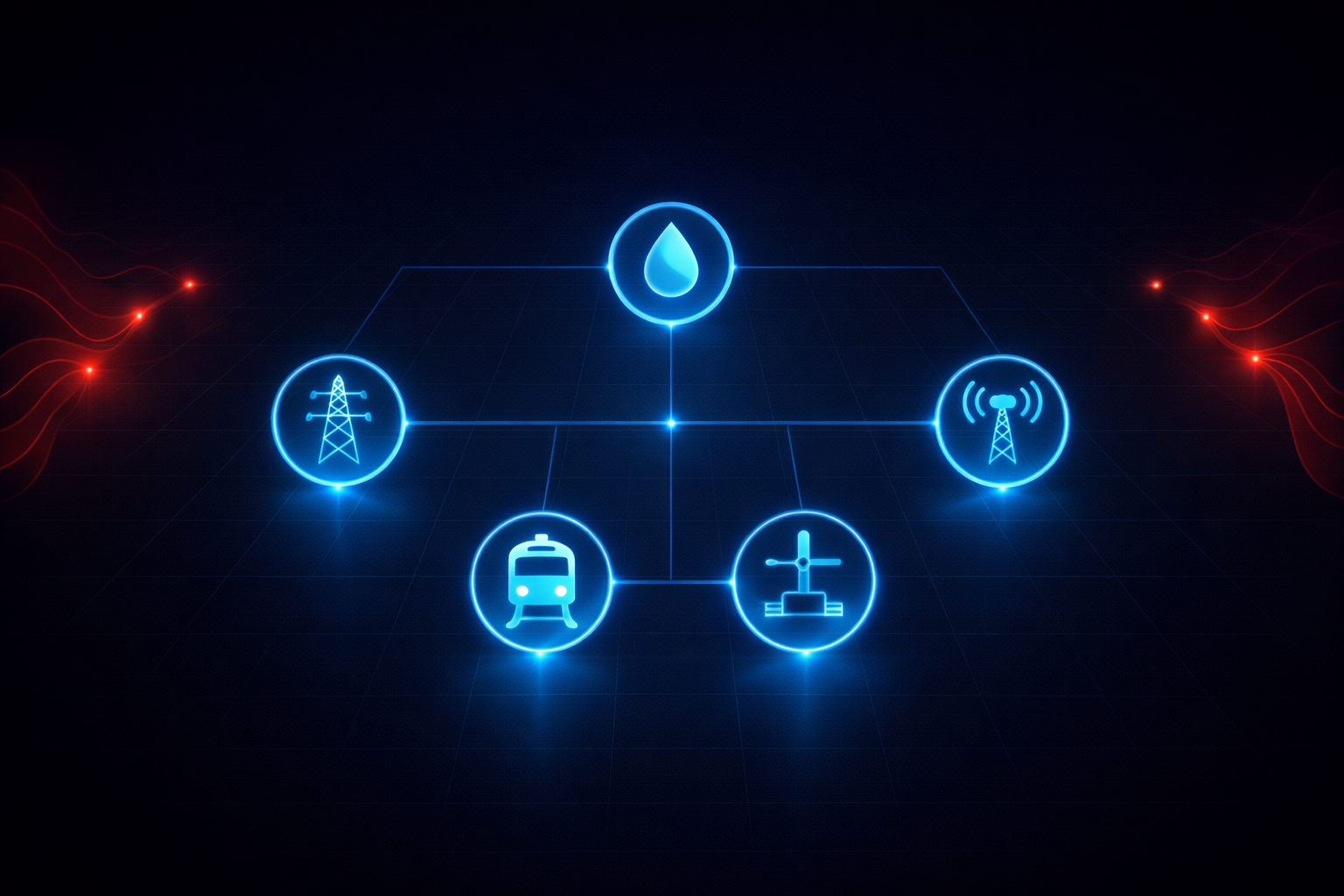
The U.S. government has identified 16 critical infrastructure sectors that are essential to national infrastructure protection. These sectors include energy, water and wastewater systems, healthcare, transportation, and emergency services, all of which must remain operational to maintain safety and resilience.
Because these systems are interconnected, disruption in one sector can create cascading failures across others, potentially threatening public health or safety. For example, a failure in energy systems can impact communications, transportation, and public health services, demonstrating the importance of resilient critical infrastructure.
Preventive measures are necessary to mitigate the risk of cascading failures due to sector interconnections, such as a failure in the power grid impacting other critical services.
Critical Infrastructure Security and Homeland Security Strategy
Critical infrastructure security is a core mission of homeland security and the Department of Homeland Security. Through initiatives like the National Infrastructure Protection Plan and presidential policy directive frameworks, the federal government coordinates efforts to protect critical infrastructure across sectors.
The Cybersecurity and Infrastructure Security Agency plays a leading role in this effort. Established in 2018, CISA leads national initiatives focused on managing risk, enhancing security, and strengthening resilience across the nation’s critical infrastructure.
CISA provides guidance, threat intelligence, and support services to government agencies and industry partners. It also works with state and local organizations to identify critical infrastructure sectors and ensure essential workers can maintain secure services during disruptions or natural disasters.
Key Critical Infrastructure Sectors and Their Risks
Critical infrastructure sectors operate as part of a highly interconnected ecosystem where disruption in one area can affect many others. These sectors include energy, transportation systems, communications, healthcare, financial services, and commercial facilities.
Each sector faces unique threats, including cyberattacks, physical attacks, and natural disasters. Cybercriminals are increasingly targeting critical infrastructure systems, seeking to exploit vulnerabilities in networks, data acquisition processes, and supervisory control systems. Additionally, cybercriminals are becoming more sophisticated and are increasingly targeting critical infrastructure sectors.
CIP ensures that critical infrastructures of organizations in industries like agriculture, energy, food, and transportation receive protection against cyber threats, natural disasters, and terrorist threats.
The degradation or malfunction of such systems can have a debilitating impact on national security, economic stability, and public safety. A breach in financial systems or information technology networks can lead to widespread financial loss, while disruptions in healthcare or water systems can directly impact public health and result in serious safety consequences.
Common Threats to Critical Infrastructure Systems
Critical infrastructure faces a wide range of threats that can disrupt essential services and compromise safety. Cyber threats include attacks targeting industrial control systems, network devices, and software vulnerabilities, often aiming to gain unauthorized access or disrupt operations.
Physical threats involve direct attacks on facilities, which can damage infrastructure assets and endanger lives. Natural disasters such as hurricanes, floods, and earthquakes also pose significant risks by disrupting services and damaging physical systems.
Because these threats can occur simultaneously, organizations must prepare for multi-layered risks that impact both physical and virtual infrastructure components.
Critical Infrastructure Protection: A Layered Defense Approach
Effective critical infrastructure protection requires a defense-in-depth strategy that integrates cybersecurity, physical security, and organizational controls. This approach ensures that critical systems remain secure even if one layer is compromised.
Cybersecurity measures focus on protecting networks and systems using firewalls, intrusion detection systems, and network segmentation. These controls are especially important for securing Supervisory Control and Data Acquisition systems and Industrial Control Systems, which are commonly targeted in infrastructure attacks.
Physical security focuses on protecting facilities from unauthorized access, sabotage, and theft. This includes surveillance systems, access controls, and perimeter defenses designed to secure infrastructure assets.
Access controls and identity management play a crucial role by restricting access to sensitive systems using multi-factor authentication and the principle of least privilege. Zero Trust Architecture further enhances security by requiring continuous verification of users and devices before granting access.
Infrastructure Security and Supply Chain Risks
Supply chain security is a critical component of infrastructure security, as many systems rely on third-party vendors and interconnected services. Vulnerabilities in the supply chain can introduce risks that compromise entire infrastructure sectors.
Organizations must ensure that their suppliers meet cybersecurity standards and follow best practices for securing sensitive information. Public-private partnerships are essential in this area, as approximately 85% of critical infrastructure in the United States is owned by the private sector.
Collaboration between government agencies and industry partners enables better information sharing, improved threat intelligence, and coordinated responses to emerging threats.
Risk Assessment and Threat Intelligence in Infrastructure Security
Risk assessment is a foundational element of critical infrastructure security. It involves identifying threats, vulnerabilities, and potential consequences across sectors to prioritize security investments and mitigation strategies, as well as evaluating and documenting the overall security and resilience of a facility.
Key components of critical infrastructure security include risk assessment, cybersecurity, physical security, and incident response.
Threat intelligence plays a key role in this process by providing insights into emerging risks and attack patterns. Continuous monitoring and AI-enhanced threat detection allow organizations to analyze vast amounts of network data in real time and identify anomalies before they lead to disruption.
Network segmentation further strengthens defenses by isolating systems and preventing attackers from moving laterally within networks. This reduces the likelihood of widespread compromise across critical infrastructure systems.
Security and Resilience: Building a Resilient Critical Infrastructure
Security and resilience are closely linked in critical infrastructure protection. While security focuses on preventing attacks, resilience ensures that systems can withstand and recover from disruptions.
Organizations must develop incident response and recovery plans that enable rapid detection, response, and restoration of services. These plans minimize downtime and reduce the impact of disruptions on public health and safety.
The Cyber Resilience Review is one tool that helps organizations assess their resilience and align with cybersecurity frameworks such as those developed by the National Institute of Standards and Technology. Regular testing and updates ensure that systems remain resilient against evolving threats.
The Role of Government and Private Sector Collaboration
Protecting critical infrastructure requires strong collaboration between government agencies and the private sector. Public-private partnerships enhance resilience by enabling organizations to share information, coordinate responses, and implement effective security solutions.
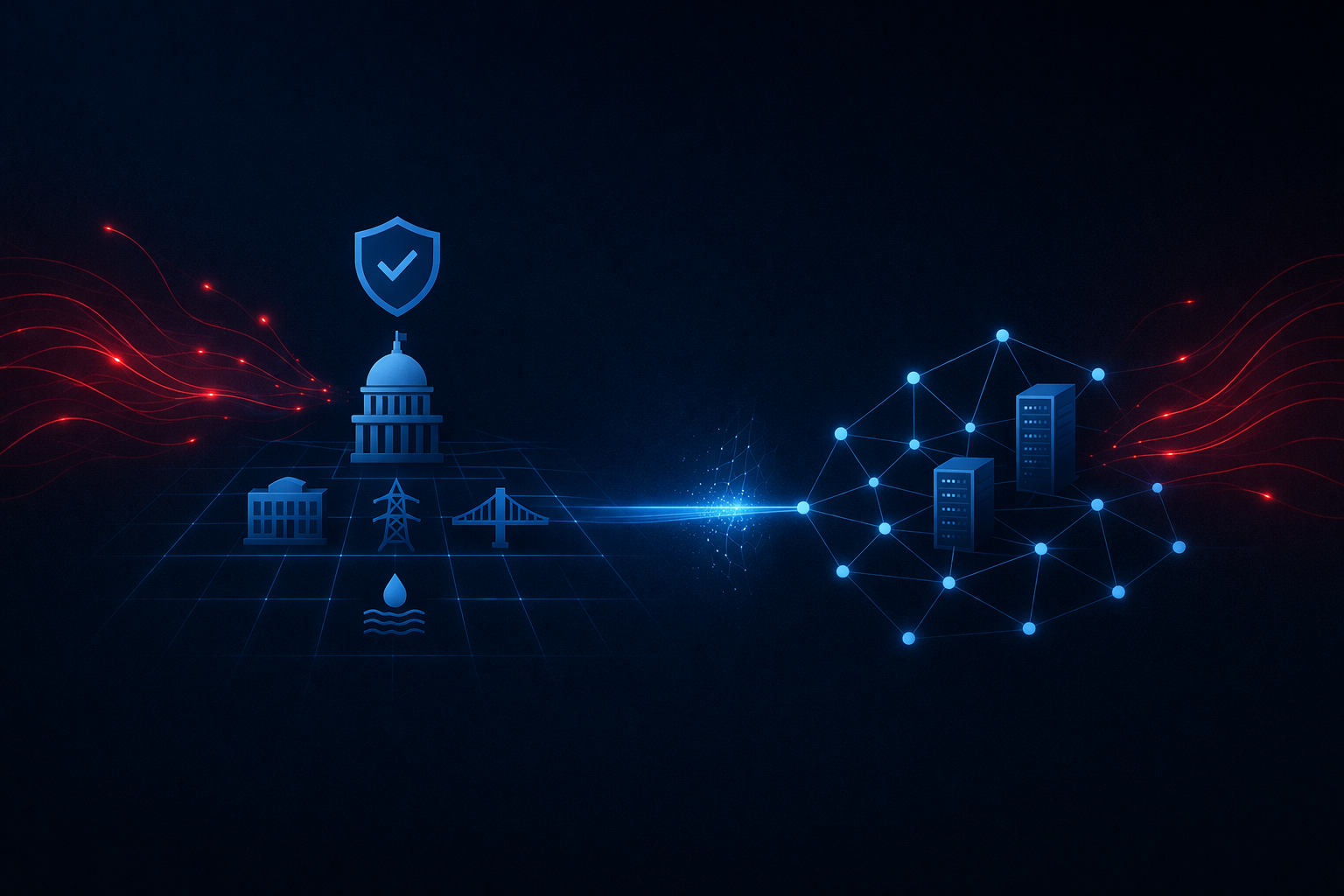
CISA conducts nationwide outreach to support emergency services and ensure communication systems remain operational during disasters. The National Risk Management Center works to identify and address the most significant risks facing the nation’s critical infrastructure.
These collaborative efforts are essential for maintaining secure systems and ensuring the continuity of essential services.
The Future of Critical Infrastructure Security
As technology continues to evolve, critical infrastructure security must adapt to new challenges. The integration of artificial intelligence, advanced analytics, and automated systems introduces new vulnerabilities while also providing opportunities for enhanced threat detection.
Cybersecurity and infrastructure security strategies must evolve to address these changes, incorporating advanced technologies and improving coordination across sectors. Federal and private investments in research and development are necessary to strengthen resilience and protect against emerging threats.
Ultimately, securing critical infrastructure is about more than preventing attacks. It is about ensuring that the systems that support modern life remain operational, reliable, and resilient in the face of constant change.
FAQ: Critical Infrastructure Security
What is critical infrastructure security?
Critical infrastructure security involves protecting essential systems and assets such as power grids, water systems, and transportation networks from cyber, physical, and natural threats.
What are critical infrastructure sectors?
There are 16 critical infrastructure sectors in the U.S., including energy, transportation, communications, healthcare, and emergency services.
Why is critical infrastructure protection important?
Disruptions to critical infrastructure can have severe consequences for national security, public health, and economic stability.
What are the biggest threats to critical infrastructure?
Common threats include cyberattacks, physical attacks, supply chain vulnerabilities, and natural disasters.
How can organizations protect critical infrastructure?
Organizations can implement layered security strategies, including cybersecurity controls, physical security measures, risk assessment, and public-private collaboration.