The 10-Petabyte Fault Line: Geopolitical Fallout of the NSCC Breach

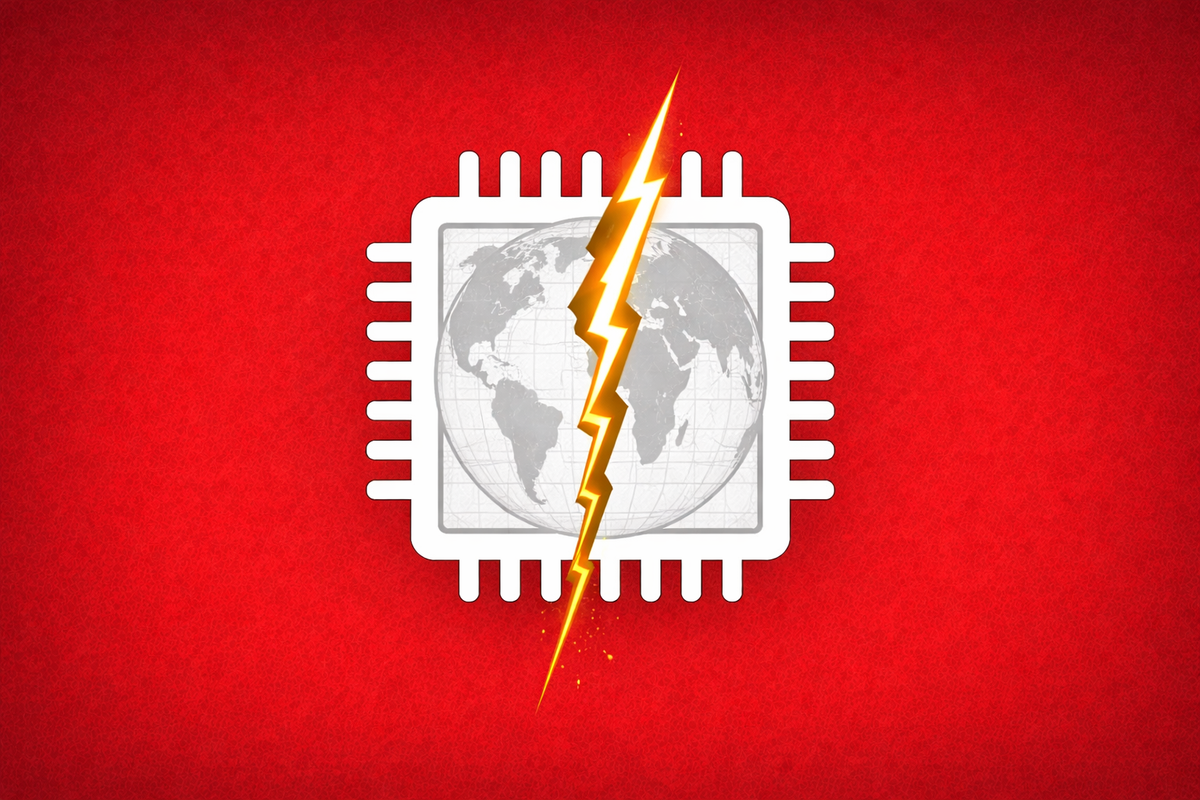
Yesterday, we reported on the unprecedented scale of the National Supercomputing Center (NSCC) breach. Today, the focus shifts from how much was taken to exactly what — and the implications for global stability.
CHENGDU, CHINA — New intelligence regarding the 10-petabyte data theft from China’s National Supercomputing Center suggests the breach is far more than a commercial disaster. Analysts now believe the stolen data includes highly classified war simulations, fighter jet telemetry, and advanced material science research. This isn't just a data breach; it’s a massive shift in the global "balance of intelligence."
Beyond the Terabytes: Strategic Assets at Risk
Yesterday, the 6,000 affected clients seemed like a corporate catastrophe. Today, reports from India Today and Security Affairs indicate that the breach likely compromised the "Crown Jewels" of Chinese defense research. Among the 10 petabytes of data allegedly exfiltrated are:
- War Simulation Models: Advanced algorithms used to predict outcomes in regional maritime conflicts.
- Aeronautics Telemetry: Data points related to China’s fifth-generation fighter jet programs.
- Nuclear Physics Research: High-performance computing (HPC) data used in the development of next-generation propulsion and energy systems.
The Geopolitical "Equalizer"
If a foreign intelligence agency or a well-funded proxy group is behind this, the exfiltration acts as a massive "equalizer." In the world of high-performance computing, the data itself is the product of years of expensive processing time. By stealing the results of these simulations, an adversary effectively leapfrogs years of research and development costs.
The CyberSignal Analysis
Signal 01 — The End of the "Digital Great Wall"
For years, China’s internal infrastructure was viewed as a black box — hard to penetrate and even harder to exfiltrate data from. A 10-petabyte heist proves that even the most "air-gapped" or highly protected HPC environments have a breaking point. This is a massive blow to the perception of Chinese internal cyber-sovereignty.
Signal 02 — Data as a Kinetic Weapon
When you steal war simulations, you aren't just stealing information; you are stealing the opponent's "playbook." This breach allows adversaries to understand the exact parameters and limitations of Chinese military hardware and strategic thinking.
Signal 03 — The Transparency Trap
The CCP has a history of suppressing news of domestic failures. However, because this data is being touted on international forums, the "Transparency Trap" is set: China must either acknowledge the loss (admitting weakness) or stay silent while their strategic data is analyzed by global rivals.
What to do this week
- Review "Air-Gap" Integrity. If your organization handles high-value R&D, don't assume physical isolation is enough. Verify the security of the jump-boxes and administrative portals used to manage "isolated" systems.
- Audit Supply Chain Research. Organizations partnering with international science hubs should audit what data is being shared with centralized computing clusters.
- Monitor Geopolitical Indicators. Expect increased cyber-activity in the Pacific region as "retaliatory" measures for this breach likely unfold in the coming months.
Sources
| Type | Source |
|---|---|
| Original | The CyberSignal (Yesterday's Coverage) |
| Analysis | Security Affairs (Geopolitical Focus) |
| Reporting | India Today |
| Technical | Tom's Hardware |
| Reporting | BGR |