Roku Discloses Cybersecurity Incident Affecting Over 570,000 User Accounts

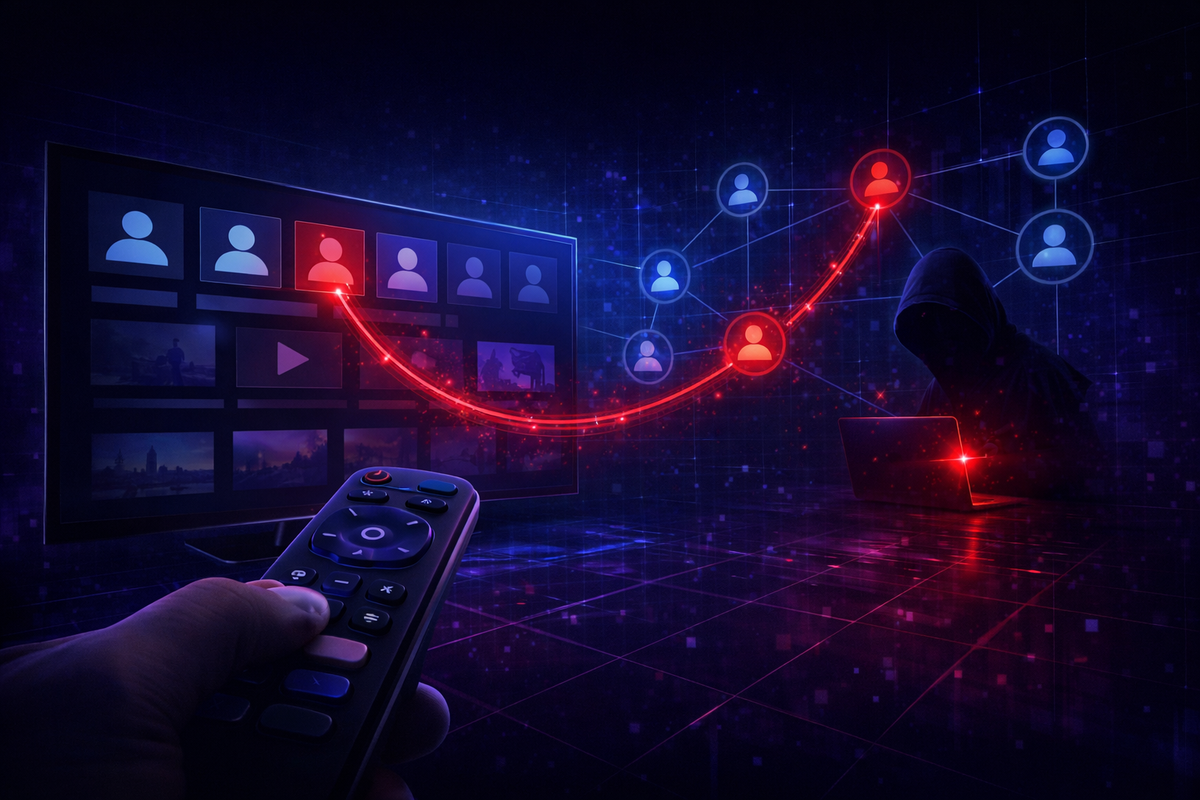
Roku has disclosed a cybersecurity incident that resulted in unauthorized access to more than 570,000 user accounts, marking one of the largest account takeover events to impact a major streaming platform in recent months.
The company said in an official security update that the breach did not stem from a compromise of its internal systems. Instead, the activity was attributed to a credential stuffing campaign, in which attackers used previously exposed usernames and passwords from unrelated data breaches to gain access to Roku accounts.
Credential Stuffing Campaign Targets Streaming Accounts
Roku said threat actors used reused login credentials to access approximately:
- 576,000 accounts in the primary incident
- 15,000 accounts in an earlier wave identified in March
Credential stuffing attacks rely on password reuse across multiple platforms, allowing attackers to automate login attempts using credentials obtained from other breaches.
Reporting from BleepingComputer indicated that some compromised Roku accounts were later listed for sale on online marketplaces, in some cases for as little as $0.50 per account.
Unauthorized Purchases and Limited Data Exposure
Roku said that for a small subset of compromised accounts — fewer than 400 — attackers were able to make unauthorized purchases of streaming subscriptions and digital content using stored payment methods.
The company said exposed account data may have included:
- Names
- Email addresses
- Partial payment card details
Roku emphasized that full credit card numbers were not exposed.
Company Response and Mitigation Measures
Following the detection of suspicious activity, Roku said it took immediate steps to contain the incident, including:
- Resetting passwords for impacted accounts
- Revoking active user sessions
- Monitoring for suspicious login activity
The company also implemented additional safeguards, including requiring two-factor authentication (2FA) across its platform.
As reported by The Verge, the requirement applies to Roku’s broader user base of more than 80 million active accounts.
Growing Threat of Account Takeovers
Security analysts say the Roku incident reflects a broader trend of account takeover (ATO) attacks targeting consumer platforms that store payment data.

These attacks are effective because they exploit common user behavior, particularly password reuse across services.
Platforms frequently targeted include:
- Streaming services
- E-commerce accounts
- Gaming platforms
These environments present immediate monetization opportunities through fraudulent purchases or resale of account access.
Security Implications
The incident underscores the continued effectiveness of credential-based attacks, even in cases where there is no direct compromise of company infrastructure.
Security experts recommend:
- Using unique passwords for each account
- Enabling multi-factor authentication (MFA)
- Monitoring accounts for suspicious activity
As account takeover campaigns continue to scale, the Roku breach highlights the importance of stronger identity protections across consumer platforms.