Operation Atlantic: Global Task Force Disrupts $45M Crypto Fraud Network, Freezes Millions

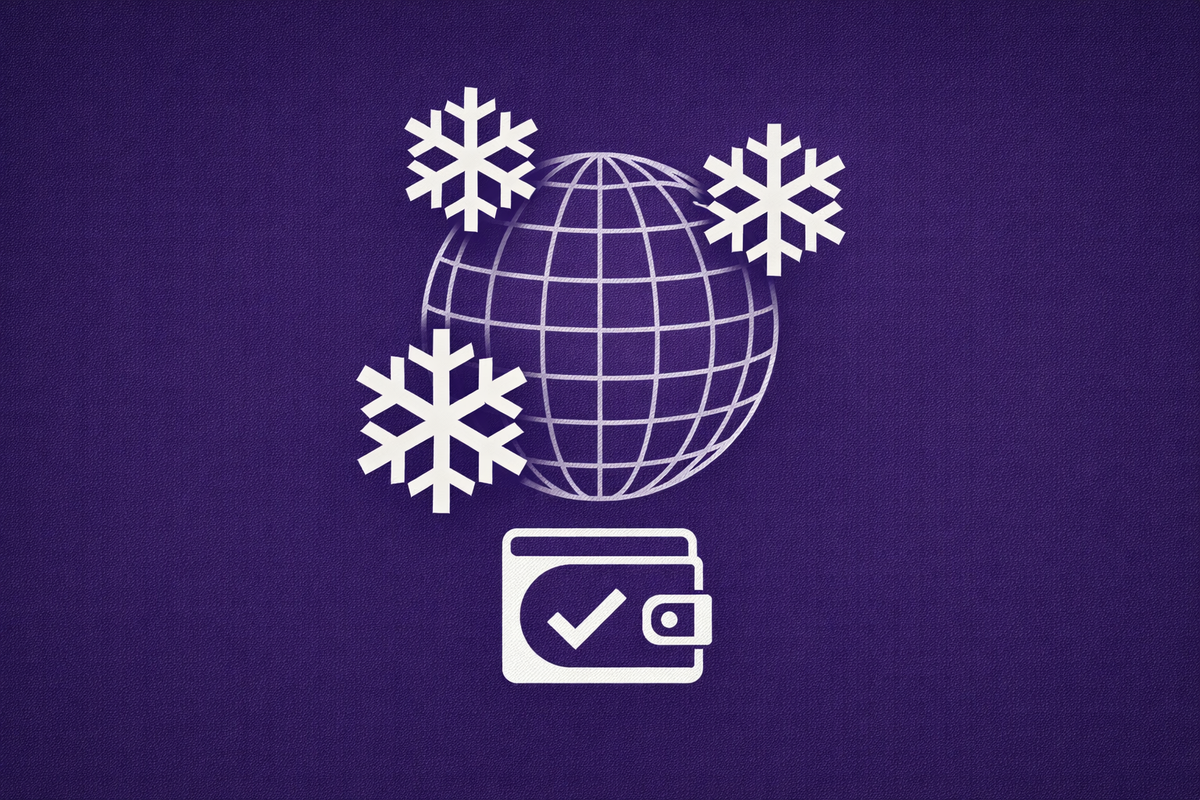
In one of the largest coordinated crackdowns on decentralized finance (DeFi) crime to date, the NCA, U.S. Secret Service, and Canadian authorities have identified 20,000 victims and halted a massive multi-national "drainer" scheme.
LONDON, UK — A massive international law enforcement effort dubbed Operation Atlantic has successfully disrupted a sophisticated cryptocurrency fraud network that impacted over 20,000 victims globally. Led by the UK’s National Crime Agency (NCA) in collaboration with the U.S. Secret Service, the Royal Canadian Mounted Police (RCMP), and blockchain analytics firms Chainalysis and TRM Labs, the operation has already resulted in the freezing of $12 million in illicit assets.
The investigation revealed a total of $45 million in fraudulent transactions linked to a complex network of phishing sites and "malicious drainers" — automated scripts designed to empty a user's digital wallet the moment a transaction is approved.
| Ecosystem Impact | |
|---|---|
|
Retail Investors 20,000 individuals must now navigate the recovery process, highlighting the need for "Revoke" tools and hardware wallet protections. |
Cryptocurrency Exchanges Exchanges are under increased pressure to implement real-time alerts for "high-risk" approvals on connected Web3 wallets. |
|
DeFi Developers The industry is pivoting toward "human-readable" signatures to ensure users understand what they are approving before clicking "sign." |
Financial Regulators The coordinated freezing of $12M across borders sets a new precedent for international cooperation in asset seizure. |
The "Approval" Trap: How the Scam Scaled
Unlike traditional phishing that seeks login credentials, Operation Atlantic targeted the Identity Infrastructure of the Web3 world. Attackers utilized social engineering to lure victims to fraudulent platforms — often disguised as legitimate NFT mints or DeFi airdrops.
Once a victim connected their wallet and clicked "Claim," they were actually signing a malicious contract. This gave the attackers "infinite approval" to move the victim's assets. Because these scripts are easily automated, the syndicate was able to scale its victim count to over 20,000 unique wallets across the U.S., UK, and Canada within a matter of months.
A New Model for Asset Recovery
The success of Operation Atlantic marks a significant shift in how authorities handle digital asset theft. Traditionally, once crypto is moved to a private wallet, it is considered "lost." However, by leveraging real-time telemetry from SaaS Security tools and blockchain monitoring, law enforcement was able to:
- Map the Network: Identify the "bridge" wallets used to move stolen funds.
- Intercept the Exit: Freeze $12 million before it could be laundered through "mixers" or converted to fiat currency.
- Victim Notification: Use on-chain messaging and data from centralized exchanges to identify and notify the 20,000 affected individuals.
The Secret Service and NCA Mandate
The U.S. Secret Service’s participation highlights the growing intersection between digital assets and national financial security. "This operation demonstrates that the anonymity of the blockchain is not a shield for criminal activity," the Secret Service stated. The NCA echoed this, noting that the "drainer-as-a-service" model is now a primary target for international task forces.
The CyberSignal Analysis
Signal 01 — The Industrialization of Phishing
We are moving past the era of the lone hacker. Operation Atlantic exposed a "Drainer-as-a-Service" infrastructure. This is Third Party Risk in reverse: criminals are using specialized "malware vendors" to provide the phishing infrastructure. For Security Operations, this means our threat hunting must focus on the commonalities of these malicious scripts across different platforms.
Signal 02 — Identity as the Critical Weakness
This fraud wasn't a breach of the blockchain itself; it was a breach of the user's Identity Infrastructure. By tricking a user into signing a contract, the attacker essentially gains an authorized "backdoor." This reinforces why Zero Trust must extend to our interaction with Web3 — never assume a mint site or airdrop is safe just because it looks official.
Sources
| Type | Source |
|---|---|
| Official Statement | U.S. Secret Service: Operation Atlantic Release |
| Law Enforcement | NCA UK: Joint Global Takedown |
| Technical Intel | Chainalysis: Freezing Scam Proceeds |
| Blockchain Data | TRM Labs: Forensic Victim Mapping |
| Industry Analysis | SC Media: Recovery Brief |
| Regional Reporting | Global News Canada: International Probe |
| Trade Publication | The Block: Breaking Down Approval Phishing |