Most Common Cybersecurity Threats for Organizations in 2026

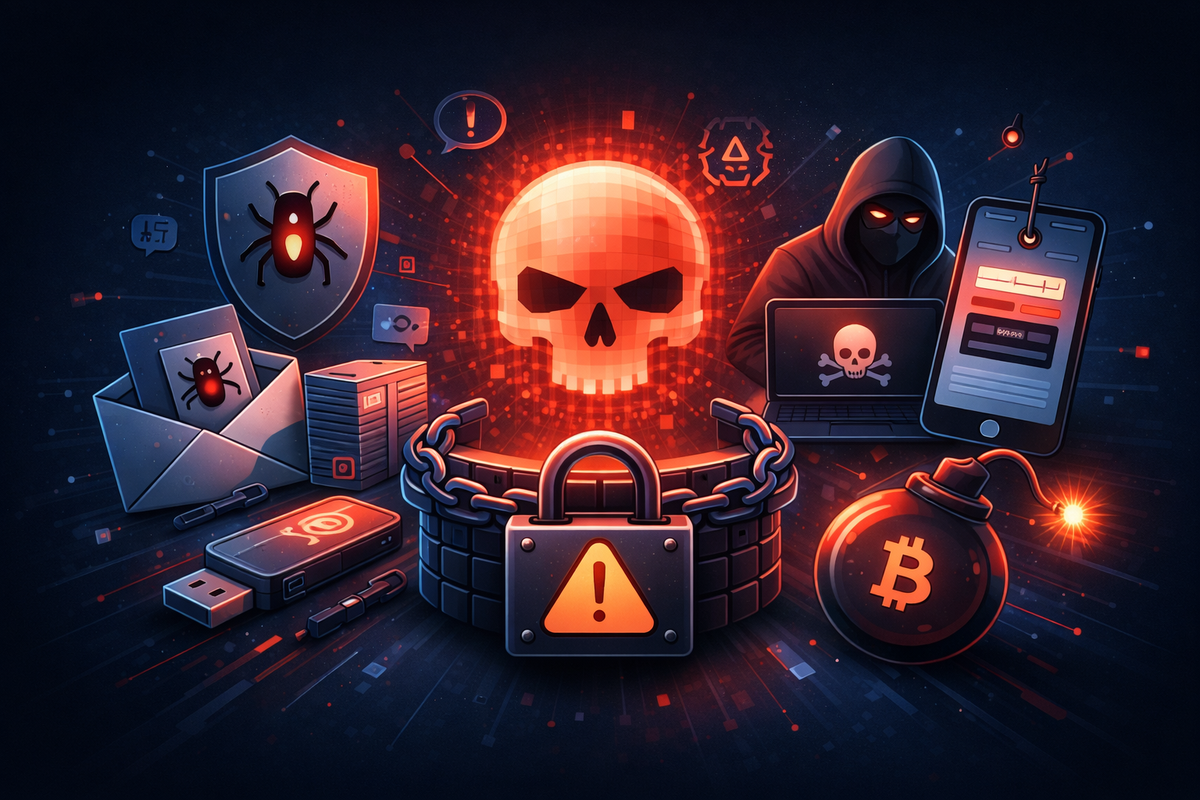
Modern organizations operate in a digital environment where cyber threats are becoming more frequent, sophisticated, and financially damaging. As businesses increasingly rely on cloud environments, connected devices, and digital services, the number of cybersecurity threats targeting organizations continues to grow.
Cybersecurity threats are acts performed by individuals or groups with harmful intent whose goal is to steal data, disrupt systems, or compromise computer networks. These threats often involve malicious software, social engineering, or attempts to exploit vulnerabilities within a computer network infrastructure, making the protection of computer networks critical for organizational security.
The global impact of cybercrime continues to escalate. Analysts estimate the global cost of cybercrime will rise from $9.22 trillion in 2024 to $13.82 trillion by 2028, highlighting the massive economic damage caused by cyber attacks. The financial impact of cybercrime exceeds the yearly damage caused by natural disasters and rivals the profits of the illegal drug trade. The escalating threat of cybercrime also endangers innovation, business investment, and economic stability.
Understanding the most common cyber threats organizations face is essential for strengthening cyber security controls and protecting critical systems from attack.
Cybersecurity Threats and the Modern Threat Landscape
The modern threat landscape includes a wide variety of cybersecurity threats ranging from malware attacks to credential theft and sophisticated supply chain attacks. Today’s threat actors often target identity systems and login credentials rather than traditional infrastructure.
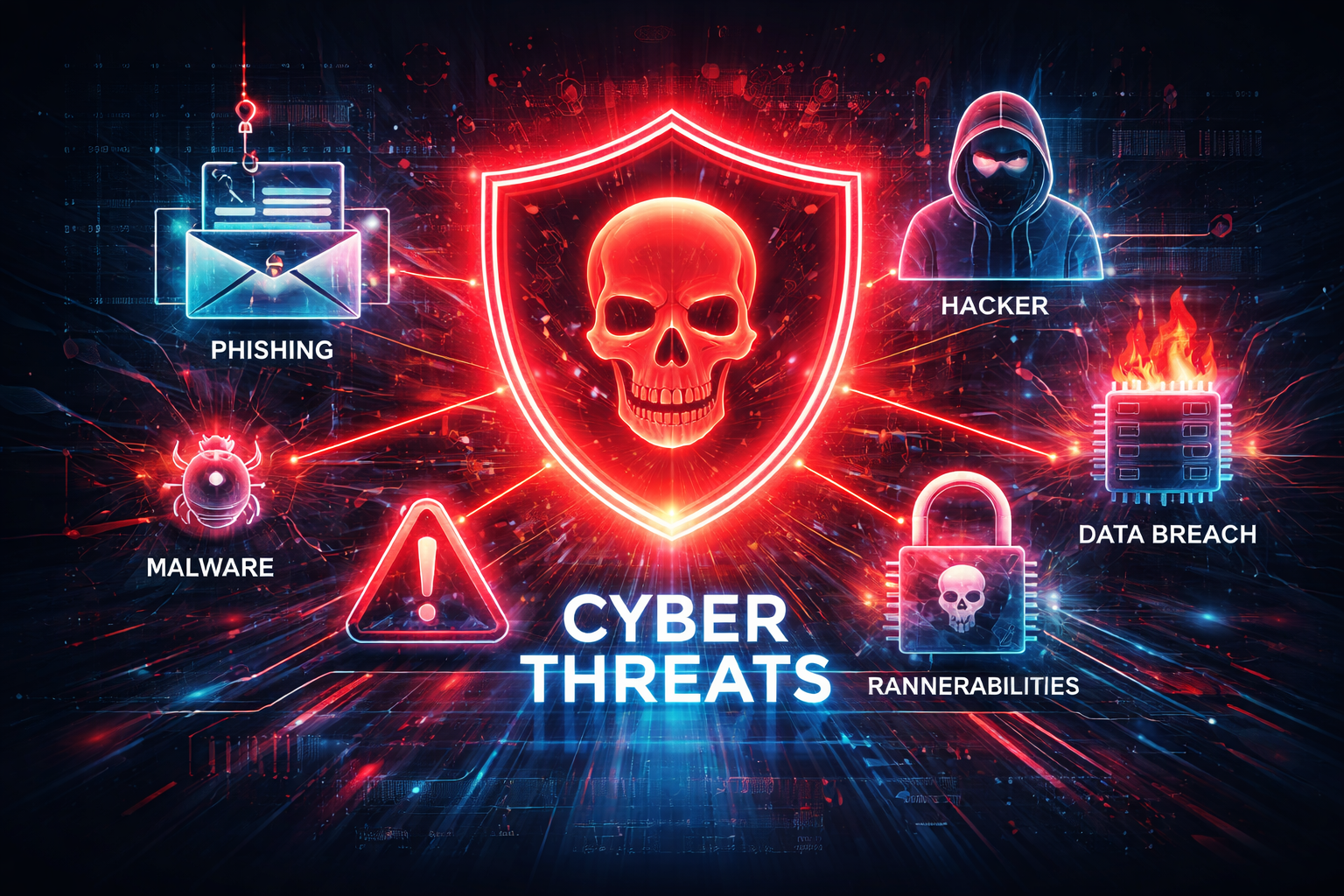
In fact, identity has replaced the network perimeter as the primary attack surface in cybersecurity. Reports indicate that 75% of breaches now involve compromised login credentials, making access management and identity protection a top priority for security teams.
Many cybercriminals are motivated by financial gain, launching cyber attacks such as ransomware campaigns or credential theft operations designed to steal customer data and intellectual property.
Organizations must therefore maintain strong security management, adopt cyber security best practices, and continuously monitor network activity to detect malicious activity before it leads to a data breach. Regularly assessing and improving an organization's security posture is essential to prevent and mitigate cyberattacks, ensuring overall cyber security readiness and stakeholder confidence.
Malware and Malicious Software Attacks
Malware is the most common type of cyberattack and includes viruses, worms, trojans, spyware, and ransomware.
One of the most common forms of cyber attack involves malware attacks. Malware, short for malicious software, includes a wide range of attack methods such as viruses, worms, trojans, spyware, and ransomware.
Malware is typically delivered through malicious links, infected attachments, or compromised websites. Once installed on a victim’s device, malicious code can steal sensitive information, intercept data, or deliver additional malware into the target system.
Some advanced forms of malware include polymorphic malware, which can modify its code in real time to bypass traditional security measures and evade detection. Existing tools may have limitations in detecting sophisticated malware, making human expertise alongside automation essential to address security gaps.
Ransomware is one of the most financially damaging malware threats. During ransomware attacks, attackers encrypt files and demand payment in exchange for a decryption key. Recent ransomware campaigns often use triple extortion, which involves encrypting data, threatening to leak sensitive information, and disrupting public services.
The financial impact of ransomware is significant. The average cost of a ransomware incident is approximately $5 million, and in 2023 ransomware incidents reached 1,512 attacks with $1.1 billion in ransom payments, representing a 77% increase from the previous year.
Social Engineering Attacks and Phishing
Another major category of cybersecurity threats involves social engineering attacks, where attackers manipulate individuals into revealing sensitive information or granting access to systems.
Phishing is a type of social engineering attack that uses fraudulent communications to deceive individuals into revealing sensitive information. While phishing is most well-known for fraudulent emails or text messages containing malicious links that redirect victims to fake websites designed to steal login credentials or install malicious software, it can also involve fraudulent phone calls. In these cases, attackers use phone calls to trick individuals into revealing sensitive information or credentials.
More targeted attacks include spear phishing, where threat actors craft highly personalized messages that appear to come from trusted colleagues or executives. These attacks are often used in business email compromise (BEC) schemes, where attackers impersonate executives to initiate fraudulent financial transactions.
Modern phishing campaigns increasingly use artificial intelligence and deepfake technology to create convincing impersonations and highly personalized attacks.
Organizations can significantly reduce the success of phishing attacks by implementing multi factor authentication and providing ongoing security awareness training to employees.
Data Breach Risks and Credential Theft
A data breach occurs when attackers gain unauthorized access to sensitive information such as customer data, financial records, or intellectual property. Data breaches can occur through many attack methods, including phishing attacks, password attacks, or exploiting software vulnerabilities.
Credential theft is one of the most common methods used to gain unauthorized access. Attackers frequently use brute force attacks, password spraying, or credential stuffing to attempt to break into accounts.
Once attackers obtain login credentials, they can move through the target's network, access sensitive information, and compromise additional systems.
Implementing strong access management policies, enforcing multi factor authentication, and monitoring login attempts are essential steps organizations can take to reduce the risk of data breaches.
Distributed Denial of Service (DDoS) Attacks
A denial of service attack occurs when attackers flood a target system or network server with excessive traffic, preventing legitimate users from accessing services.
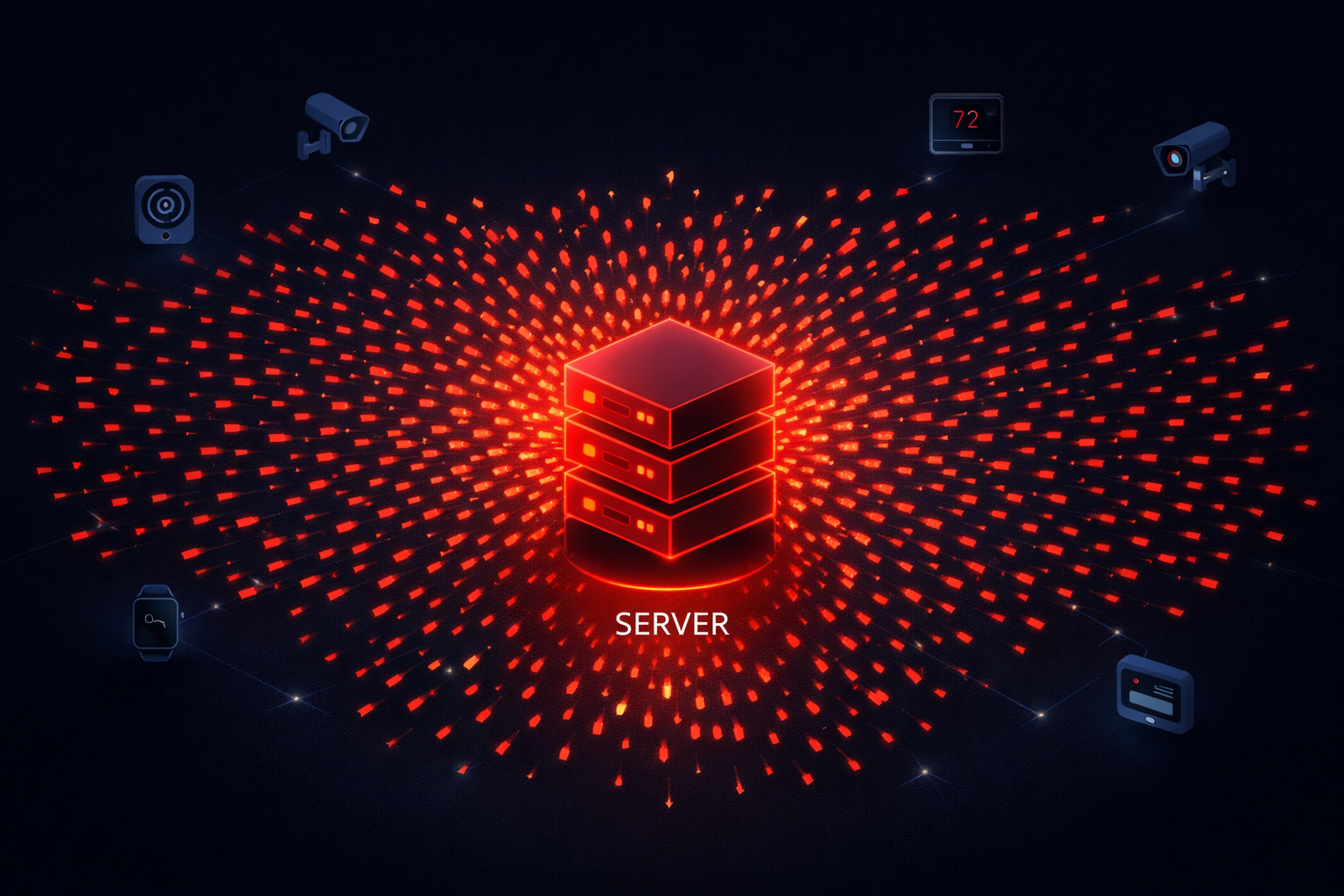
A more advanced version of this attack is a distributed denial of service (DDoS) attack, where attackers use a network of compromised connected devices to overwhelm a system with massive volumes of traffic.
Distributed denial of service attacks can disrupt websites, online services, and critical infrastructure by exhausting system resources. As a result, business operations may be halted while security teams attempt to restore service.
DDoS attacks are becoming more sophisticated as attackers use automated tools and botnets to launch large-scale attacks against corporate networks and cloud environments.
Injection Attacks and Application Vulnerabilities
Another serious class of cyber threats includes injection attacks, which exploit vulnerabilities in web applications or software.
Injection attacks occur when attackers insert malicious SQL statements or other forms of malicious input into an application. These attacks can allow threat actors to manipulate databases, steal data, or gain unauthorized access to systems.
Examples include SQL injection and OS command injection, both of which allow attackers to execute commands within the underlying operating system or database environment.
These attacks often target poorly secured web applications and cloud services. Organizations must therefore implement strong security controls, conduct vulnerability testing, and continuously patch software to prevent attackers from exploiting these weaknesses.
Insider Threats and Human Error
Not all cybersecurity threats originate from external attackers. Insider threats occur when individuals within an organization misuse their access privileges to systems and data.
These threats can be either malicious or unintentional. Some insiders intentionally abuse their legitimate access for financial gain or revenge. Others may unknowingly cause security issues through human error, such as clicking on malicious links or sharing sensitive data.
Studies show that insider breaches can be extremely costly, with the average insider threat incident costing approximately $4.99 million.
Organizations can reduce insider threats by implementing strong access control, monitoring user activity, and providing comprehensive employee training programs that teach employees how to identify suspicious activity.
Emerging Threats in Modern Cybersecurity
The threat landscape continues to evolve as attackers adopt new technologies and attack methods. Several emerging threats are rapidly becoming major concerns for organizations.
- Cryptojacking: Attackers hijack computing resources to mine cryptocurrency without the victim’s knowledge.
- Internet of Things (IoT) attacks: Attackers exploit vulnerabilities in connected devices to gain access to networks.
- Supply chain attacks: These attacks target trusted vendors or software providers to compromise multiple organizations simultaneously.
- Zero-day exploits: Attackers exploit previously unknown vulnerabilities in software before security patches are released.
- AI-powered attacks: Artificial intelligence is changing the threat landscape. AI-powered cyber attacks can automate phishing campaigns, generate deepfake impersonations, and accelerate the development of malicious code.
Cybersecurity Best Practices
While cybersecurity threats continue to grow, organizations can significantly reduce risk by implementing strong security strategies and adopting proven cybersecurity best practices.
Key best practices include:
- Implement a layered security approach that includes regular software updates, advanced threat detection systems, and strong access management policies.
- Perform real-time patching, as the time between vulnerability discovery and exploitation has decreased dramatically.
- Conduct regular risk assessments to identify critical systems and prioritize security improvements.
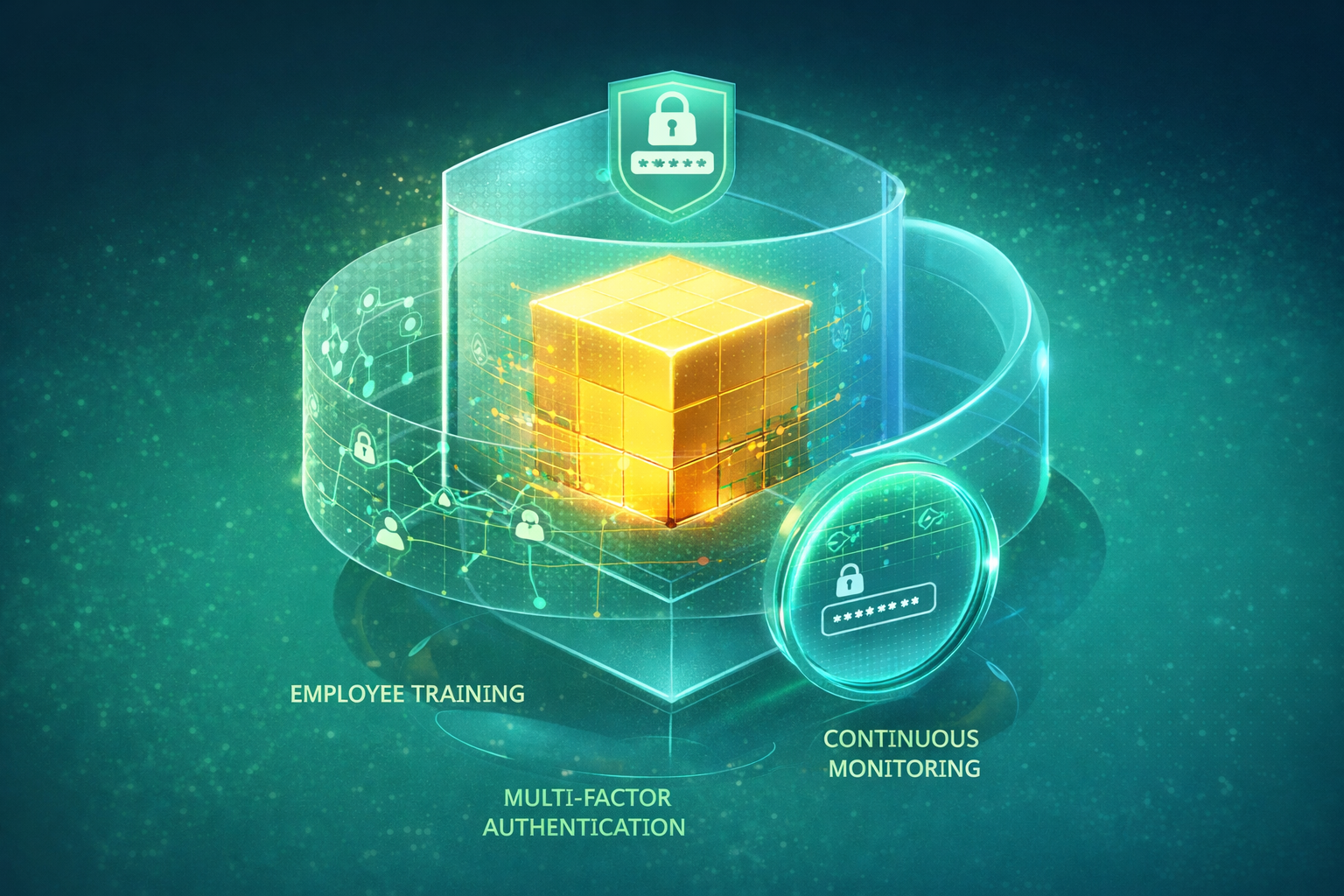
- Implement multi-factor authentication (MFA), especially phishing-resistant MFA using hardware security keys, which provides stronger protection than SMS-based authentication methods.
- Conduct regular security awareness training to help employees recognize suspicious emails, malicious links, and phishing attempts.
- Establish strong incident response plans.
- Deploy threat intelligence capabilities.
- Continuously monitor network activity to detect cyber incidents before they escalate.
A comprehensive cybersecurity strategy allows organizations to prevent attacks, respond quickly to incidents, and minimize disruptions to business operations.
Compliance and Regulatory Requirements
Organizations today find themselves navigating an increasingly complex threat landscape where regulatory compliance isn't just a checkbox exercise — it's become a critical defense mechanism. Cyber attackers are deploying sophisticated tactics ranging from malicious software and social engineering campaigns to insider threats and supply chain compromises. For security teams, meeting regulatory standards has evolved into an essential strategy for protecting sensitive data and keeping business operations running smoothly.
Major regulations like GDPR, CCPA, HIPAA, and PCI-DSS establish clear expectations for how organizations must handle customer data and prevent breaches.
These frameworks push companies to deploy concrete security measures:
- Multi-factor authentication
- Proper access management
- Continuous monitoring systems
The goal is straightforward — make it significantly harder for cybercriminals to gain unauthorized access to valuable information.
The regulatory focus has intensified as distributed denial of service (DDoS) attacks and ransomware campaigns continue targeting critical infrastructure. These threats can cripple systems and expose customer data within hours. Security audits, risk assessments, and systematic deployment of security controls have become standard requirements under most frameworks. The emphasis is on identifying vulnerabilities before attackers can exploit them.
Meeting these compliance demands requires more than just technology deployment. Organizations need solid incident response plans and must invest in security awareness training that actually works. Teaching employees to spot and report social engineering attempts and spear phishing campaigns remains crucial. Human error continues to be a primary factor in successful data breaches, making employee education a regulatory priority that directly impacts an organization's security posture.
Cybersecurity Awareness and Training
Importance of Employee Training
Employee training is a critical component of any cybersecurity strategy. Human error is often the weakest link in security, making it essential for organizations to educate their workforce on recognizing and responding to cyber threats.
Key Training Topics
Key topics to cover in cybersecurity awareness training include:
- Recognizing phishing emails and social engineering attempts
- Safe internet and email usage
- Password management and the importance of strong, unique passwords
- Reporting suspicious activity
- Understanding company security policies
Continuous Improvement
Cybersecurity awareness training should not be a one-time event. Organizations should:
- Conduct regular refresher courses
- Update training materials to reflect the latest threats
- Encourage a culture of security awareness and vigilance
Cybersecurity Policy and Procedures
Policy Development
Developing comprehensive cybersecurity policies is essential for establishing clear expectations and guidelines for all employees.
Policies should address:
- Acceptable use of company resources
- Data protection and privacy requirements
- Access control and authentication standards
Incident Response Frameworks
A robust incident response framework enables organizations to respond quickly and effectively to security incidents.
Key components include:
- Defined roles and responsibilities
- Step-by-step response procedures
- Communication plans for internal and external stakeholders
Employee Conduct Guidelines
Clear guidelines for employee conduct help prevent accidental or intentional security breaches.
These guidelines should cover:
- Proper handling of sensitive information
- Restrictions on sharing credentials
- Procedures for reporting security incidents
Cybersecurity Framework and Risk Management
Implementing a cybersecurity framework and risk management process helps organizations identify, assess, and mitigate risks. Frameworks such as NIST, ISO/IEC 27001, and CIS Controls provide structured approaches to managing cybersecurity risks and improving overall security posture.
Conclusion
The modern cybersecurity landscape represents an existential challenge for organizations as they navigate an environment where threats are becoming increasingly sophisticated and financially devastating. With cybercrime costs projected to reach $13.82 trillion by 2028, the shift toward identity-based attacks highlights that the traditional network perimeter has been replaced by the individual user.
A resilient defense requires moving beyond isolated security tools toward a comprehensive, layered strategy. By integrating robust identity and access management, proactive vulnerability patching, and a strong culture of security awareness, organizations can transform their employees into a formidable first line of defense. Ultimately, the ability to protect sensitive data and maintain stakeholder trust depends on viewing cybersecurity not as a periodic checkbox, but as an ongoing operational commitment to vigilance and rapid incident response.
Frequently Asked Questions (FAQ)
What are the most common cybersecurity threats today?
The most common cybersecurity threats include:
- Ransomware attacks
- Phishing campaigns
- Credential theft
- Malware attacks
- Insider threats
- Distributed denial of service (DDoS) attacks
What is a data breach?
A data breach occurs when attackers gain unauthorized access to sensitive information such as customer data, financial records, or intellectual property.
What are social engineering attacks?
Social engineering attacks manipulate individuals into revealing sensitive information or granting access to systems. Phishing and business email compromise are common examples.
What is a distributed denial of service attack?
A distributed denial of service (DDoS) attack overwhelms a target system with traffic from multiple compromised devices, preventing legitimate users from accessing services.
How can organizations reduce cybersecurity threats?
Organizations can reduce cybersecurity threats by adopting comprehensive cyber security strategies, such as:
- Implementing strong access controls
- Using multi-factor authentication
- Conducting employee training
- Patching vulnerabilities
- Maintaining continuous monitoring systems
Why are cybersecurity threats increasing?
Cybersecurity threats are increasing due to:
- Digital transformation
- Expanding attack surfaces
- Sophisticated threat actors
- The financial incentives associated with cybercrime