Microsoft Links High-Velocity Zero-Day Exploits to Medusa Ransomware Affiliate
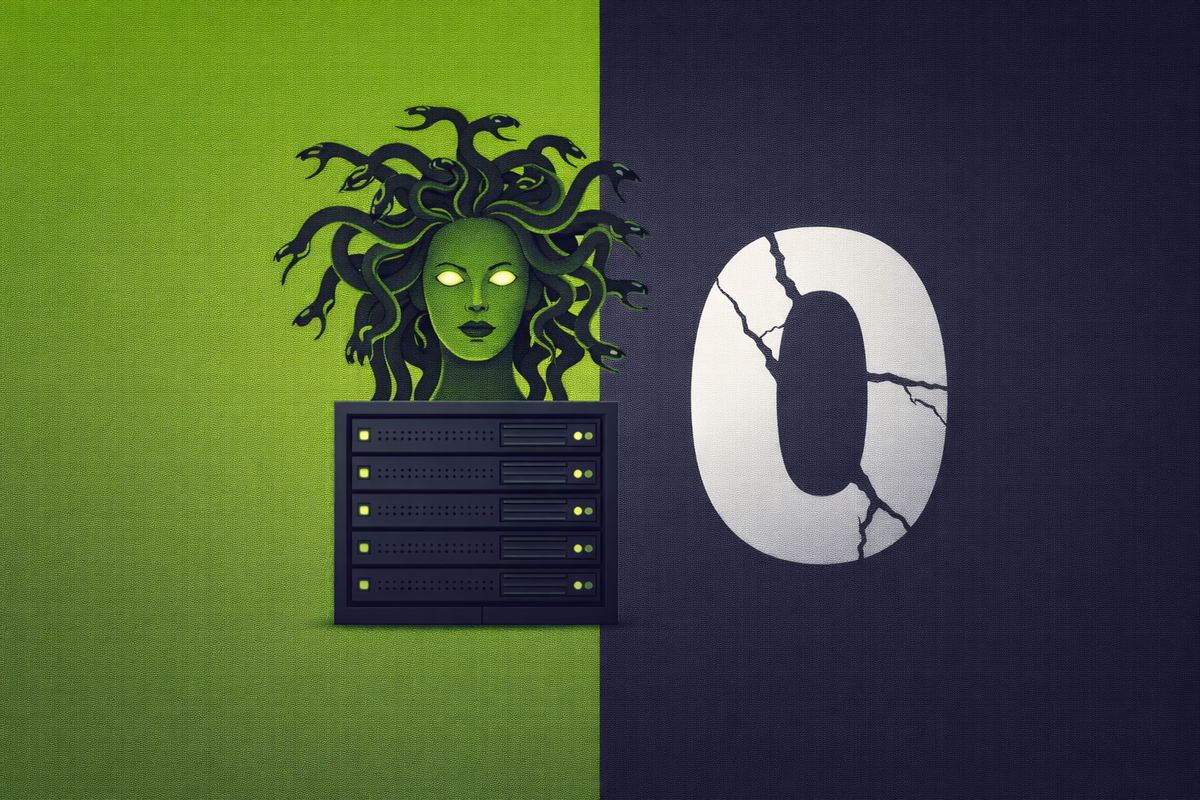
Microsoft’s threat intelligence team has issued a high-priority warning regarding a sophisticated cyber-criminal actor, designated as Storm-1175, which is utilizing zero-day vulnerabilities to deploy the Medusa ransomware. The group, identified as an affiliate of the broader Medusa-as-a-Service operation, has demonstrated an unprecedented speed in its attack lifecycle, often moving from initial compromise to full-network encryption in under 48 hours.
Exploiting the Perimeter
According to reports from BleepingComputer and The Hacker News, Storm-1175 has shifted away from traditional phishing in favor of targeting "web-facing assets." The group has been observed exploiting unpatched and zero-day vulnerabilities in edge networking devices, VPN concentrates, and web servers.
Microsoft’s analysis indicates that the group’s methodology involves rapid automated scanning for these flaws. Once a vulnerability is successfully exploited, the actors immediately deploy a specialized toolkit to escalate privileges. Dark Reading highlights that this "velocity-driven" approach is designed to catch security teams off guard, completing the data exfiltration and encryption phases before an incident response can be initiated.
A Global Reach with Regional Focus
The campaign has hit several sectors across the United States, United Kingdom, and Australia, with a particular emphasis on healthcare and professional services. Industrial Cyber reports that the group’s choice of targets suggests a focus on organizations that require high uptime, increasing the pressure to pay the ransom quickly.
Researchers at CSO Online and Security Affairs note that Storm-1175 utilizes a "double extortion" tactic. In addition to locking files with the Medusa locker, the group exfiltrates sensitive corporate data and threatens to publish it on the "Medusa Blog" if payment is not received. This dual-threat model ensures that even if an organization has robust backups, they still face the risk of a major data breach and regulatory penalties.
The China Connection
While Medusa is traditionally viewed as a Russia-linked operation, SC Media and other outlets have noted that Storm-1175 exhibits tactical overlaps with known China-linked threat actors. These similarities include the specific types of zero-day exploits used and the preference for "Living off the Land" (LotL) techniques once inside a network. This has led some analysts to investigate whether Storm-1175 is a cross-regional affiliate or if there is a shift in the ransomware-as-a-service (RaaS) marketplace.
Primary Intel & Reports: Microsoft Threat Intelligence Official Advisory, BleepingComputer, The Hacker News, Dark Reading, Industrial Cyber
The CyberSignal Analysis
The rise of Storm-1175 marks the arrival of the "High-Velocity Ransomware" era, where the window for detection has shrunk from weeks to hours.
- The Death of the "Patching Window": In the past, organizations could rely on a 30-day patching cycle for critical vulnerabilities. Storm-1175’s use of zero-day flaws means that if an asset is web-facing, it must be shielded by an Automated Virtual Patching or a Web Application Firewall (WAF). You can no longer wait for the vendor's patch to be tested before securing the perimeter.
- The Importance of Egress Monitoring: Since the group exfiltrates data before encryption, monitoring for unusual outbound traffic is the only way to stop the "Extortion" phase. Organizations should implement strict Data Loss Prevention (DLP) rules that flag the mass transfer of files to unknown cloud storage or IP addresses.
- Operational Takeaway: Ransomware is no longer just an "IT problem" — it is an "Edge Infrastructure" problem. If your organization relies on public-facing servers or legacy VPNs, these are now the primary targets. Moving toward Zero Trust Network Access (ZTNA) — where internal resources are hidden from the public internet entirely — is the most effective way to eliminate the attack surface that Storm-1175 exploits.