Iran-Linked Hackers Target FBI Director Amid Weakened Defenses from DHS Shutdown

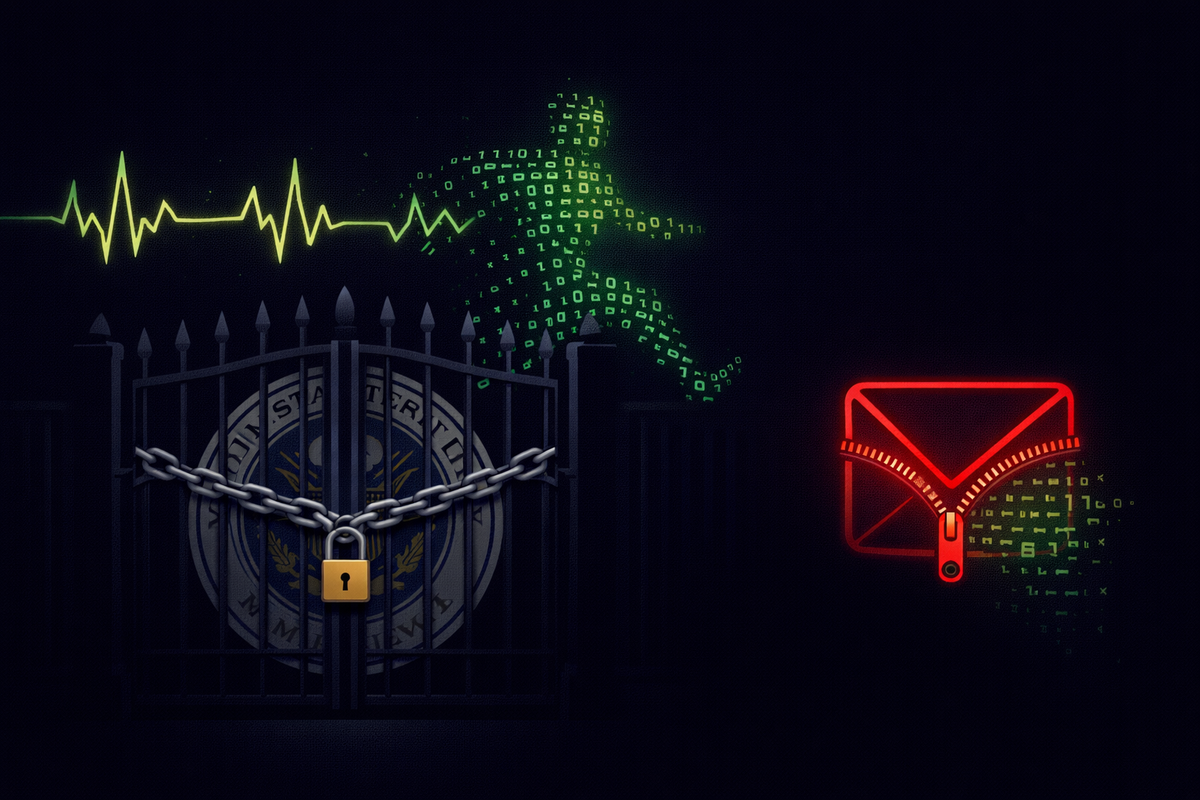
A sophisticated cyberattack attributed to Iran-linked threat actors has compromised the personal data of FBI Director Kash Patel, exposing sensitive communications and internal documents. The breach comes at a period of heightened vulnerability for the U.S. federal government, as an ongoing Department of Homeland Security (DHS) shutdown has reportedly degraded national cybersecurity monitoring and incident response capabilities.
Targeted Intrusion: The Patel Data Leak
The attack, first reported by Semafor and confirmed by digital forensics experts, involved the exfiltration of Director Patel’s personal emails, high-resolution photographs, and professional resumes. Threat actors began circulating the stolen assets on dark web forums late Monday, framing the operation as a retaliatory strike against U.S. intelligence leadership.
According to TechRepublic and Homeland Security Today, the intrusion appears to be the work of a group tied to the Iranian government. While the FBI has not yet detailed the exact entry vector, initial analysis suggests a targeted credential-harvesting campaign aimed at personal accounts that may have lacked the stringent multi-factor authentication (MFA) protocols mandated for official government systems.
The Shutdown Factor: A "Degraded" Defense
The timing of the attack has sparked intense debate on Capitol Hill regarding the impact of the current DHS shutdown. While core law enforcement functions remain active, ABC News reports that thousands of federal cybersecurity analysts — including those responsible for monitoring network anomalies across civilian agencies — have been furloughed.
Cybersecurity expert Bob Kolasky noted that the shutdown has created "blind spots" in the nation’s proactive defense posture. This systemic weakness is reportedly affecting more than just individual targets; according to ABC45, critical security preparations for the upcoming World Cup and local infrastructure projects are falling behind schedule due to the lack of DHS oversight and coordination.
Impact on Local Law Enforcement
The wave of cyber activity is not limited to Washington. In southern Indiana, local authorities confirmed that the FBI and DHS are assisting in an investigation into a separate cyberattack targeting a county sheriff’s office. While it is unclear if this incident is directly linked to the Iranian campaign, it underscores a broader environment of opportunistic exploitation as federal support mechanisms remain strained.
Primary Intel & Reports: ABC News, Semafor, TechRepublic, Homeland Security Today, WDRB News
The CyberSignal Analysis
The convergence of a high-profile leadership hack and a federal shutdown represents a "perfect storm" for state-sponsored adversaries.
- Political Targets as Entry Points: State actors increasingly target the personal digital footprints of high-ranking officials to bypass the hardened perimeters of official government networks. For CISOs in the private sector, this is a reminder that executive protection must extend beyond the office.
- The "Maintenance Gap": Cybersecurity is not a static defense; it is a continuous operational requirement. The DHS shutdown highlights that when monitoring personnel and automated updates are paused, the "dwell time" for attackers increases exponentially.
- Geopolitical Retaliation: This incident is a classic example of "gray zone" warfare. By leaking the personal details of an FBI Director, Iran is signaling its ability to penetrate the highest levels of U.S. security, aiming for psychological impact and domestic disruption rather than traditional military engagement.