FCC Prohibits Import of Foreign-Manufactured Routers Citing National Security Risks

A sweeping new federal mandate blocks the authorization and import of networking equipment from high-risk foreign adversaries, targeting vulnerabilities used in state-sponsored botnets.
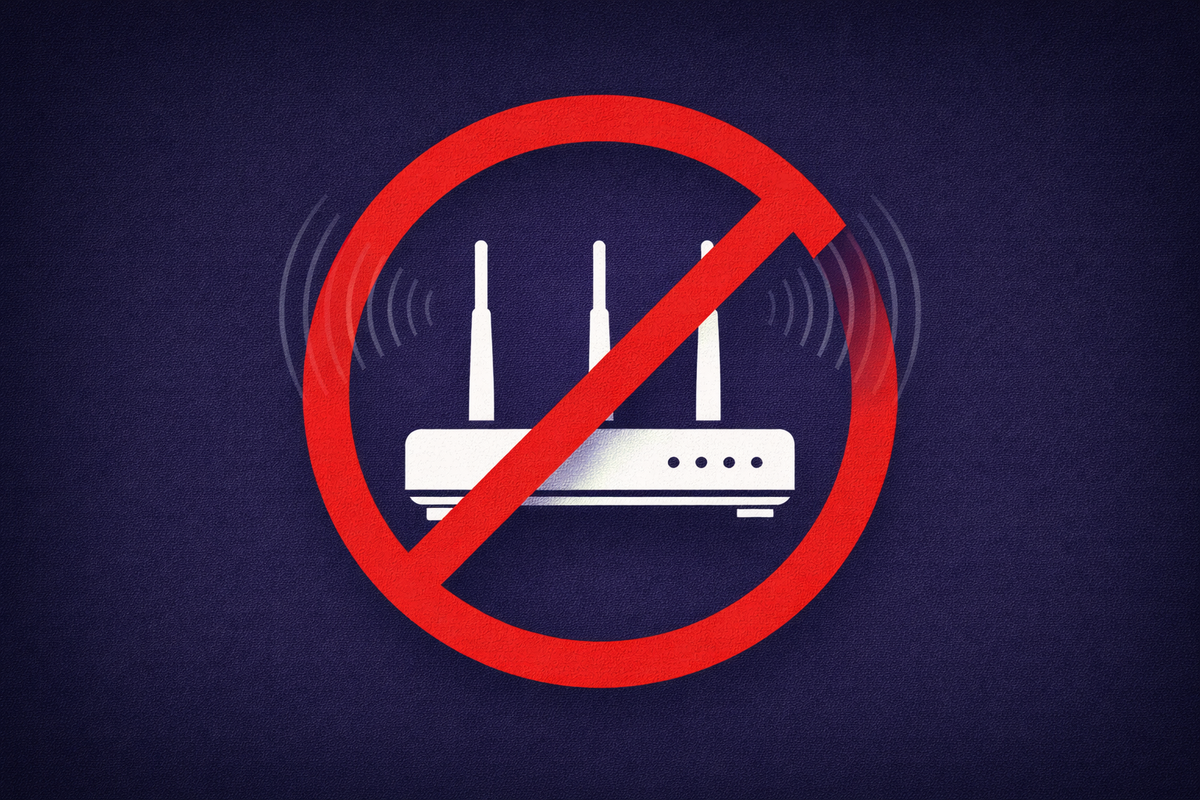
WASHINGTON — The Federal Communications Commission (FCC) has issued an unprecedented order banning the import and sale of new consumer and enterprise routers manufactured in several foreign nations, most notably China. The move, which expands the agency’s "Covered List," is a direct response to intelligence reports detailing how state-sponsored threat actors have weaponized small-office/home-office (SOHO) routers to create persistent, hard-to-detect botnets.
The ban prohibits the FCC from granting new equipment authorizations for devices produced by companies deemed to pose an unacceptable risk to national security. While existing routers currently in use or in domestic inventory remain legal to operate, the order effectively halts the entry of next-generation hardware from major manufacturers tied to the Chinese hardware ecosystem. Commissioners cited the "structural vulnerability" of foreign firmware, which has frequently been exploited to tunnel malicious traffic and launch distributed denial-of-service (DDoS) attacks against U.S. critical infrastructure.
| Who is affected | |
|---|---|
|
Supply Chain Managers Procurement teams must immediately pivot to approved vendors for future infrastructure refreshes. |
Remote Employees SOHO routers used for "Work From Home" connections are the primary targets of the federal ban. |
|
Hardware Vendors Major manufacturers outside the "Covered List" may face supply surges as demand shifts to US-approved gear. |
ISP Operators Broadband providers must ensure customer-premises equipment (CPE) remains compliant with new import rules. |
Addressing the "Volt Typhoon" and Botnet Risk
The catalyst for this regulatory escalation is the increasing frequency of "living off the land" (LotL) attacks. Specifically, groups like the China-linked "Volt Typhoon" have been observed hijacking thousands of aging or unpatched routers to mask their movement within U.S. energy and water utility networks. By using domestic routers as relay points, threat actors make their traffic appear as legitimate home internet activity, bypassing many geographic-based security filters.
The FCC order emphasizes that the "security-by-design" of these devices is often lacking, with many foreign-made routers featuring hardcoded credentials or undocumented backdoors that are difficult for average consumers to patch. By cutting off the supply of new, high-risk hardware, the U.S. government aims to slowly "drain the swamp" of vulnerable edge devices that serve as the foundation for these state-sponsored botnets.
Market Disruption and Consumer Uncertainty
Critics of the ban, including the Electronic Frontier Foundation (EFF), argue that targeting the country of origin is a blunt instrument that may not address the underlying problem of poor software security across all IoT devices. There are also concerns regarding the immediate impact on the market, as a significant majority of consumer networking equipment is currently manufactured in mainland China.
Industry analysts expect a period of "networking inflation" as companies scramble to move manufacturing to approved regions like Taiwan, Vietnam, or Mexico. For the enterprise, this ban signalizes a permanent shift in how hardware must be vetted — moving beyond technical specifications to a "trusted origin" model that prioritizes the geopolitical alignment of the manufacturer.
The CyberSignal analysis
Signal 01 — The End of "Trust but Verify" for Edge Hardware
The FCC has effectively moved the "Zero Trust" boundary to the physical border. For the CISO, this means "secure configuration" is no longer the final step in hardware security; "secure origin" is now the first. Any equipment sitting on the edge of your network that originates from a high-risk jurisdiction is now a quantified liability in the eyes of federal regulators.
Signal 02 — SOHO Routers are the New "Critical Infrastructure"
By focusing the ban on consumer-grade routers, the government is acknowledging that the "home office" is the soft underbelly of the modern enterprise. Attackers aren't always knocking on your corporate firewall; they are nesting in your VP’s home router. This ban is a macro-level attempt to harden the environment where remote work actually happens.
Signal 03 — Firmware as a Geopolitical Weapon
This order highlights that firmware is now viewed as an extension of national policy. The concern isn't just about accidental bugs, but about intentional, "sleeper" vulnerabilities that can be activated during a conflict. Practitioners should expect future mandates to require more transparency in the "Software Bill of Materials" (SBOM) for all networking hardware.
What to do this week
- Inventory SOHO Hardware for Remote Execs. Identify any high-risk foreign routers (e.g., TP-Link, Huawei, ZTE) used by executives or employees with privileged access. While they aren't "illegal" yet, they are the primary targets for botnet recruitment.
- Update Hardware Procurement Policies. Ensure your purchasing department is aware of the updated FCC "Covered List" and prohibit the acquisition of any new networking equipment from banned entities.
- Mandate Firmware Updates for Legacy Gear. For banned devices already in the field that cannot be immediately replaced, enforce a strict monthly patching schedule to mitigate known vulnerabilities being used in LotL campaigns.
Sources
| Type | Source |
|---|---|
| Primary | FCC Official Document |
| Reporting | Reuters |
| Reporting | Wired |
| Analysis | FDD Intelligence |
| Reporting | PCMag |
| Industry | Broadband Breakfast |
| Reporting | Bloomberg |