European Commission Confirms Cloud Infrastructure Breach Following "ShinyHunters" Data Theft Claims

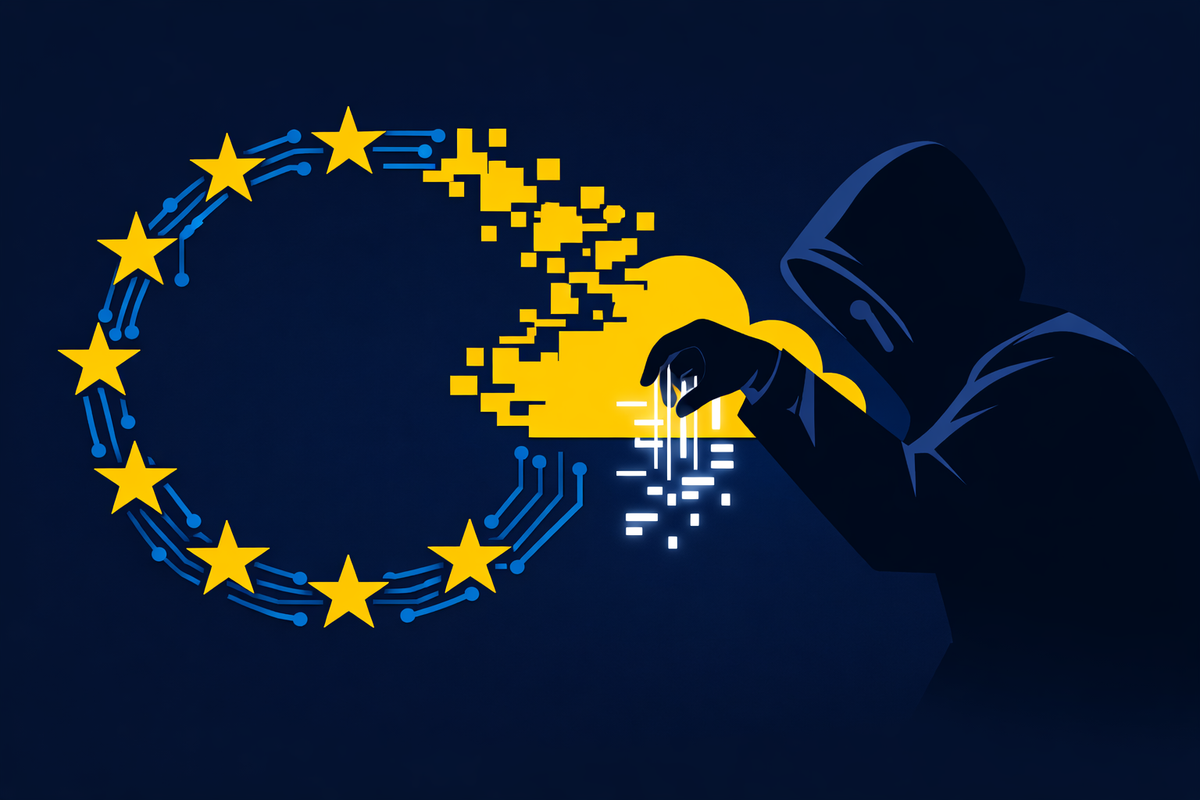
The European Commission has officially confirmed a cybersecurity intrusion targeting its cloud-based infrastructure, marking a significant escalation since initial reports of data theft surfaced last week. While EU officials are working to downplay the severity of the incident, the threat actor group known as "ShinyHunters" claims to have exfiltrated a massive cache of internal documents and database records.
Technical Scope of the "Cloud Intrusion"
The breach reportedly centers on a misconfiguration or credential compromise within the Commission’s AWS cloud environment, specifically affecting systems related to the europa.eu domain. Technical analysts at The Register and BleepingComputer report that the attackers likely gained access via an exposed API key or an unhardened cloud storage bucket, allowing for the lateral movement required to reach internal repositories.
In a statement to Politico, a Commission spokesperson confirmed that "unauthorized access to part of our cloud systems" occurred but insisted that the breach was contained to non-classified data. However, the group ShinyHunters—notorious for high-profile breaches of companies like Microsoft and AT&T—has posted samples of the alleged data on dark web forums, suggesting the leak includes internal communications, administrative logs, and contact directories.
Conflicting Narratives on Impact
There is a notable discrepancy between the Commission’s official stance and the hackers' claims. While The Record reports that Brussels is treating the event as a limited "technical incident" with no impact on core legislative functions, security researchers at Cybernews warn that even "non-classified" administrative data can be weaponized for sophisticated spear-phishing campaigns targeting EU officials.
The CERT-EU (Computer Emergency Response Team for the EU) is currently leading a forensic audit to determine if the intrusion was limited to data theft or if the attackers established long-term persistence within the network. TechCrunch notes that the timing of the breach is particularly sensitive, coinciding with heightened geopolitical tensions and increased scrutiny of the EU’s Digital Services Act enforcement.
Regulatory and Geopolitical Fallout
As the executive branch of the European Union, the Commission is now under pressure to meet the very transparency standards it imposes on the private sector through the NIS2 Directive. Members of the European Parliament have already called for a full briefing on the "security gap" that allowed the cloud compromise to occur.
For now, the Commission has implemented a mandatory password reset for several departments and restricted external access to certain cloud-native applications while the investigation continues.
Primary Intel & Reports: The Register, BleepingComputer, Politico, The Record, TechCrunch
The CyberSignal Analysis
The "europa.eu" breach serves as a case study in the risks of rapid cloud adoption without a corresponding "Zero Trust" maturity.
- The ShinyHunters Factor: This group does not typically engage in state-sponsored espionage; they are financially motivated data brokers. This suggests the intent was likely the sale of data or extortion rather than political sabotage, though the data could eventually find its way into the hands of nation-state actors.
- Shared Responsibility Failure: This incident highlights the "Shared Responsibility Model" in cloud computing. While AWS provides a secure infrastructure, the responsibility for securing the data and access keys within that cloud rests entirely with the EU Commission. A single leaked credential can bypass millions of dollars in infrastructure security.
- Operational Takeaway: CISOs should view this as a prompt to audit Service Account permissions and API Key rotations. In cloud environments, "Identity" is the new perimeter. If you haven't implemented Short-Lived Credentials or Hardware Security Modules (HSM) for your cloud keys, your organization is at risk of a similar credential-based intrusion.