Dutch Healthcare Systems Paralyzed as Major Software Vendor ChipSoft Hit by Ransomware
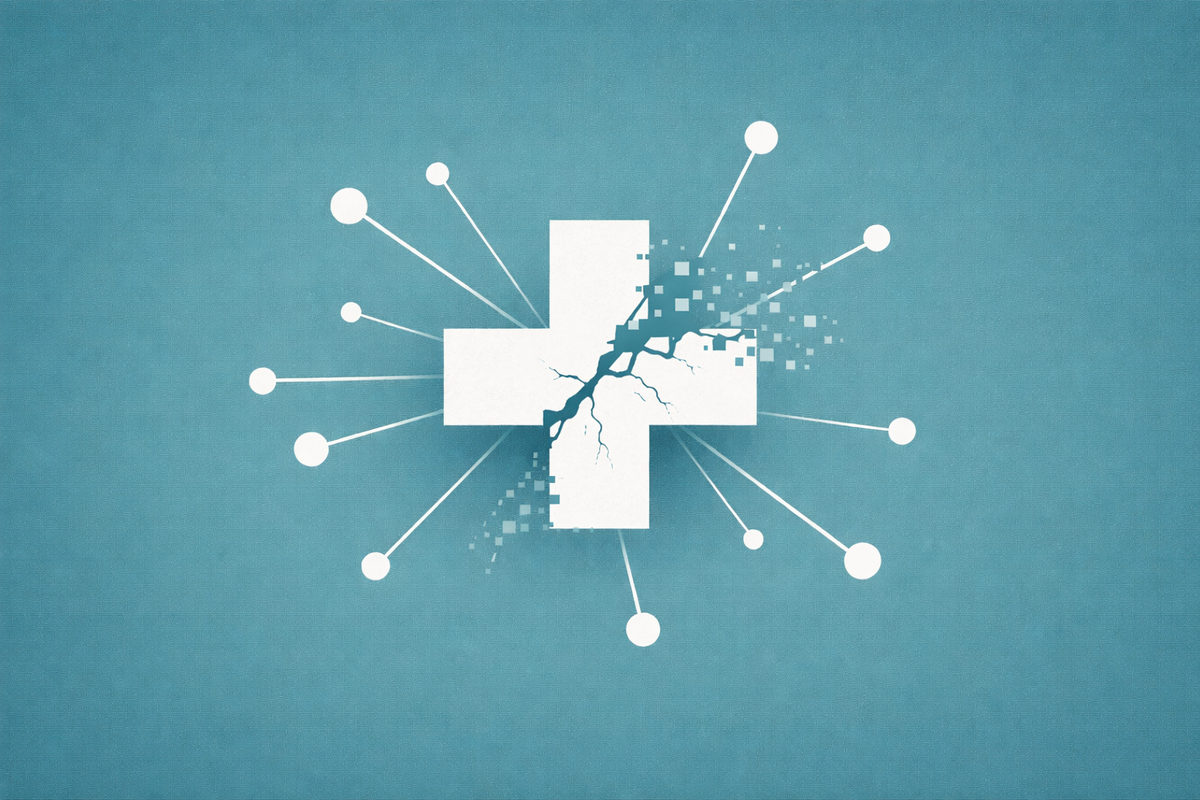
AMSTERDAM — A massive ransomware attack on ChipSoft, the Netherlands’ primary provider of Electronic Patient Record (EPD) software, has disrupted operations at dozens of hospitals and specialist clinics across the country. The breach has forced several high-profile medical institutions, including the Prinses Máxima Center, to implement emergency protocols as access to digital patient files remains intermittent or entirely offline.
Vendor "Goes Dark" After Intrusion
The incident was first reported early Wednesday after ChipSoft’s internal systems and customer-facing portals were taken offline following a suspected ransomware deployment. According to DataBreaches.net, the company effectively "went dark," cutting off remote access to its "HiX" software — a platform used by nearly 70% of Dutch hospitals to manage everything from surgical schedules to medication history.
Reports from The Register and NL Times indicate that while the attack targeted the vendor’s corporate infrastructure, the "downstream" impact has been immediate. Hospitals are reporting that while they can still provide urgent care, administrative functions and non-emergency appointments are being canceled as clinicians lose the ability to view historical patient data.
Impact on Pediatric and Specialist Care
The Prinses Máxima Center, a leading pediatric oncology hospital, issued a statement confirming it had taken precautionary measures regarding its patient records. While the center emphasized that patient safety is not currently at risk, the reliance on manual paper-based workarounds has slowed clinical workflows. Other regional hospitals have reportedly declared "code black" for their IT departments, moving to emergency operational modes.
Forensic experts cited by IO Plus suggest the attackers may have gained access through a vulnerable VPN gateway or a compromised administrative credential. The specific ransomware group responsible has not yet been identified, and ChipSoft has not publicly commented on whether a ransom demand has been received or if data exfiltration has occurred.
The Supply Chain Vulnerability
The ChipSoft outage highlights the extreme risk of "Single Point of Failure" software in national infrastructure. Because ChipSoft dominates the Dutch market, a single breach at the vendor level has effectively crippled a significant portion of the national healthcare system.
Security researchers on Reddit have noted that this attack follows a pattern of targeting healthcare Managed Service Providers (MSPs) to maximize leverage during ransom negotiations. By holding the records of an entire nation’s patient base hostage, threat actors exert pressure not just on the company, but on the national government itself.
Primary Intel & Reports: NL Times, The Register, Prinses Máxima Center, DataBreaches.net
The CyberSignal Analysis
The ChipSoft breach is a watershed moment for Supply Chain Resilience in healthcare.
- The Concentration of Risk: When a single vendor manages the majority of a nation's electronic health records, they become a high-value target for nation-states and criminal syndicates alike. The "HiX" platform’s dominance created a geographic bottleneck that the attackers successfully exploited.
- The "Kill Switch" Reality: This incident proves that modern hospitals cannot function without their vendor's "umbilical cord." When ChipSoft went offline to contain the breach, the hospitals — who were not directly hacked — suffered the same operational paralysis as the target.
- Operational Takeaway: Healthcare providers must demand Offline Mode Capability and Vendor-Agnostic Data Portability. Hospitals need the ability to run a "read-only" version of their patient databases locally, isolated from the vendor’s cloud, to ensure that care continues even when the provider is compromised.