Cyberattack on Intoxalock Disrupts Breathalyzers Nationwide
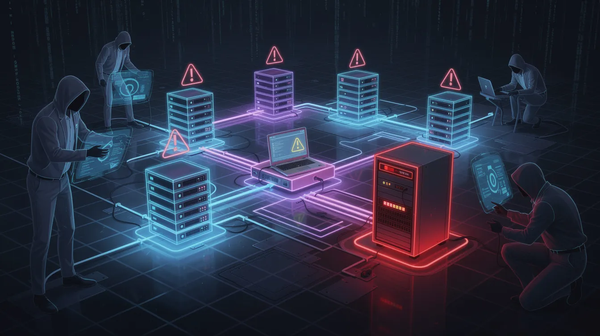
Intoxalock, one of the largest providers of ignition interlock devices (IIDs) in the United States, is grappling with a widespread cybersecurity incident that has left thousands of drivers unable to start their vehicles. The attack, which began earlier this week, has disrupted the cloud-based infrastructure used to authenticate breathalyzer tests, highlighting the critical safety and legal risks inherent in IoT-connected compliance hardware.
The Incident: Connectivity and Authentication Failure
The disruption appears to stem from a targeted attack on Intoxalock’s central servers, which manage the communication between individual vehicle units and the company’s monitoring network. For drivers under court-ordered mandates to use these devices, the system failure means that even after providing a clean breath sample, the device cannot "check in" with the server to authorize the vehicle’s ignition.
Reports of malfunctions began surfacing from Maine to Iowa, with many users stuck at homes, workplaces, or roadside locations. While the company has not officially classified the event as ransomware, the prolonged nature of the "technical difficulties" and the sudden loss of server-side functionality suggest a significant breach of their operational technology (OT) environment.
Impact: Legal and Operational Deadlock
The scope of the incident extends beyond mere mechanical inconvenience. Because ignition interlocks are typically a condition of probation or license reinstatement following a DUI/OWI conviction, a device failure can trigger legal complications.
According to reporting from TechCrunch, the primary issues reported by drivers include:
- Failed "Rolling Re-tests": Drivers already in motion being prompted for tests that the system cannot process.
- Lockout Mode: Devices entering a permanent lockout state due to a lack of server synchronization, requiring a physical reset.
- Reporting Compliance: Fears that the "missed" tests caused by the outage will be automatically reported to state DMVs as violations of sobriety mandates.
In a statement to local news outlets, Intoxalock emphasized that "customer data remains safe" and that the focus is currently on restoring system pings to individual units.
Corporate Response and State Intervention
Intoxalock has advised affected users to keep their devices powered but noted that customer support wait times have surged to several hours. In some jurisdictions, state police and DOT officials have issued temporary stay-of-enforcement notices, advising law enforcement not to penalize drivers whose devices show "Service Required" or "Server Error" codes during the outage period.
The company is reportedly working with a third-party cybersecurity firm to isolate the affected segments of its network and restore the authentication handshake required for vehicle operation.
The CyberSignal Analysis
The Intoxalock hack is a textbook example of "Availability Risk" in the Internet of Things (IoT). While the industry often focuses on data privacy (Confidentiality), this incident proves that for critical infrastructure — including court-mandated safety hardware — the loss of uptime can have immediate, real-world consequences on freedom of movement and legal standing.
For security professionals, this highlights a growing trend: threat actors are increasingly targeting "niche" service providers that hold a monopoly or significant market share in mandatory compliance industries. When the "lock" is digital and cloud-dependent, a single point of failure in the provider's data center can effectively paralyze a nationwide fleet of vehicles.