CareCloud Reports Material Data Breach in SEC Disclosure

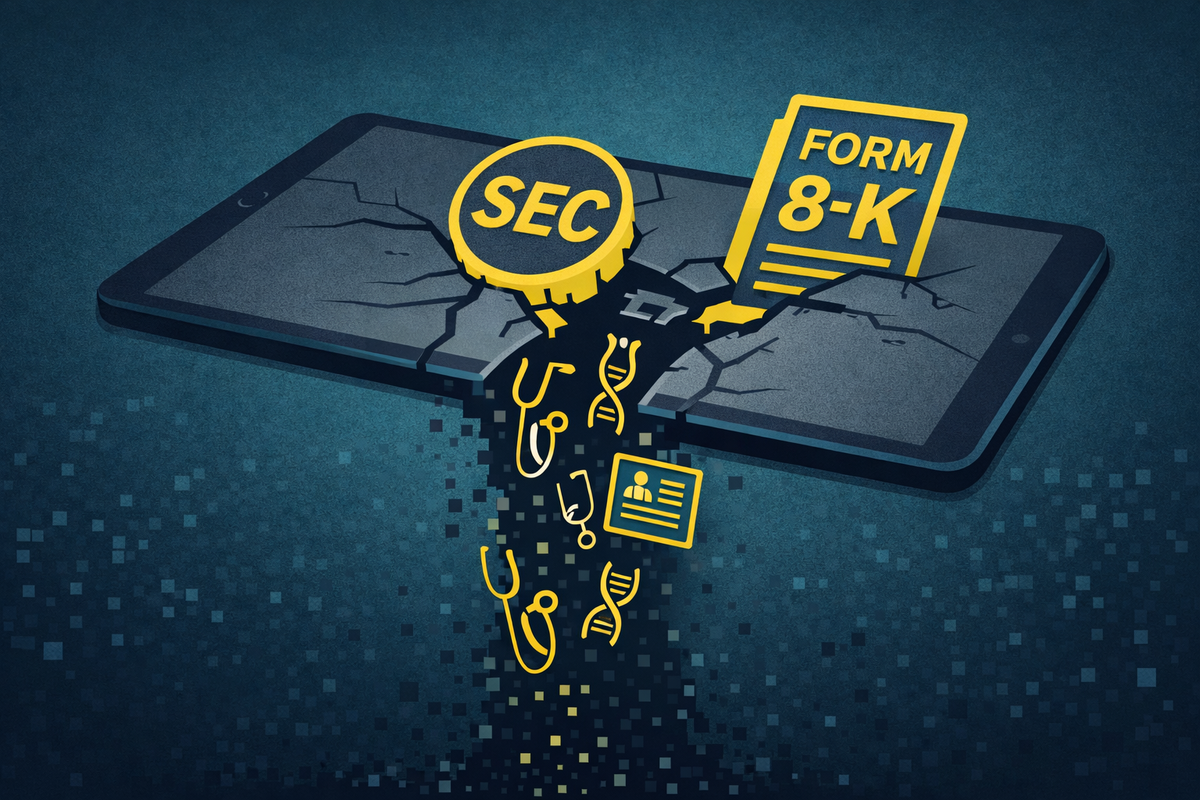
CareCloud, Inc. (Nasdaq: CCLD), a prominent provider of cloud-based healthcare IT solutions, has disclosed a significant cybersecurity incident that may have compromised sensitive patient health records. In a Form 8-K filing with the U.S. Securities and Exchange Commission (SEC), the company reported a "material event" involving unauthorized access to its Health Records Division, triggering immediate internal investigations and federal notifications.
Disclosure of the Incident
According to the SEC filing, CareCloud detected unusual activity within its network environment in late March 2026. Preliminary findings suggest that threat actors gained access to systems containing electronic health records (EHR) and practice management data. While the company has not yet confirmed the total number of individuals impacted, the incident has been characterized as a material event, a designation used when a cybersecurity breach is expected to have a significant impact on an organization's operations or financial standing.
The company stated it has engaged leading forensic experts to determine the scope of the unauthorized access. "We are working diligently to understand the nature of the data involved and remain committed to the security of our clients' information," a company representative noted in the disclosure.
Regulatory and Legal Implications
The incident places CareCloud under the dual scrutiny of the SEC’s cyber-disclosure rules and the Department of Health and Human Services (HHS) under HIPAA regulations. Because the breach involves protected health information (PHI), CareCloud must comply with the HIPAA Breach Notification Rule, which requires notifying affected individuals, the HHS Secretary, and, in cases involving more than 500 records, the media.
Legal experts at Claim Depot and the HIPAA Journal have already initiated investigations into the breach, looking for potential lapses in the company’s data security protocols. As is common with large-scale healthcare breaches, CareCloud is expected to face significant pressure to provide credit monitoring and identity theft protection services to affected patients.
Operational Impact
While CareCloud’s filing indicates that core systems remain functional, the company is still in the "remediation phase," which involves hardening its cloud environment to prevent further lateral movement by the attackers. Market analysts have noted a fluctuation in CareCloud's stock price following the news, as investors weigh the potential for regulatory fines and litigation costs.
Primary Intel & Reports: The Record, SecurityWeek, SEC 8-K Filing, HIPAA Journal
The CyberSignal Analysis
The CareCloud incident underscores the precarious nature of the healthcare supply chain, where a single breach at a service provider can cascade across thousands of medical practices.
- Materiality and Transparency: By filing an 8-K, CareCloud is adhering to the SEC's intensified focus on timely cybersecurity disclosures. For CISOs, this highlights the necessity of having a pre-defined "Materiality Assessment" framework to determine exactly when an incident crosses the threshold from a technical glitch to a reportable corporate event.
- The PHI Target: Health records remain the highest-value asset on the dark web due to their permanence; unlike a credit card, a person’s medical history cannot be "reset." This breach serves as a reminder that EHR platforms must implement aggressive Identity and Access Management (IAM) and session monitoring to detect anomalous data exfiltration early.
- Operational Takeaway: Organizations utilizing third-party healthcare platforms should review their Business Associate Agreements (BAAs). In the wake of this breach, security leaders must verify that their providers have robust, tested incident response plans that prioritize patient data integrity over mere system uptime.